
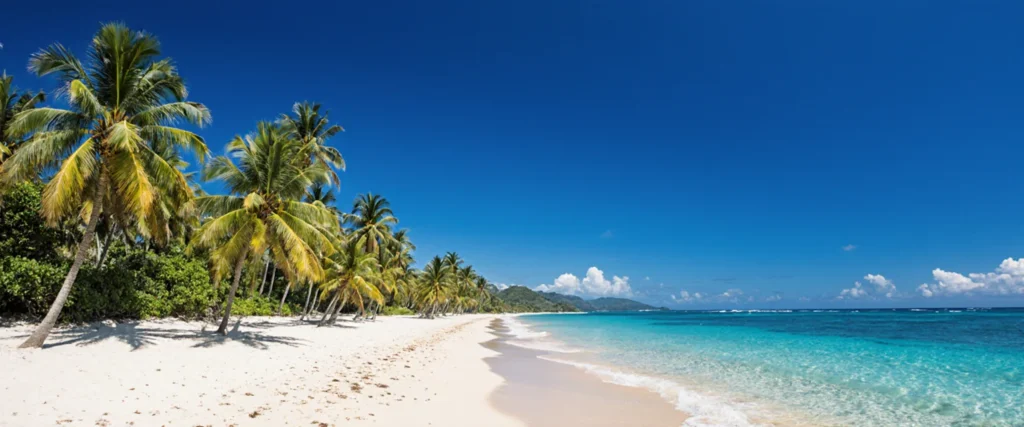
Costa Rica isn’t a one-climate-fits-all destination. For such a small country, it’s packed with microclimates — meaning weather can change dramatically from one region to another, sometimes within the same day. Understanding these patterns will help you plan the perfect trip, whether you’re chasing sun-soaked beaches, lush rainforests, or cool mountain escapes.
Two Main Seasons: Dry and Rainy
Locals call them verano (summer) and invierno (winter), but technically they’re the dry season and rainy season.
- Dry Season (Summer) – Mid-December to mid-March
Clear skies, plenty of sunshine, and almost no rain along most of the Pacific Coast. Guanacaste turns golden-brown and dry, while the central and southern Pacific stay greener thanks to higher humidity. It’s the peak tourism period — perfect for busy outdoor itineraries, but expect higher prices for hotels, tours, and flights. - Rainy Season (Green Season) – Mid-March to mid-December
Rain typically comes in bursts. Mornings are often sunny with showers in the afternoon, or vice versa. All-day rain is rare. This is when the country bursts into green, rivers run high, and waterfalls are at their best. Prices drop and crowds thin out.
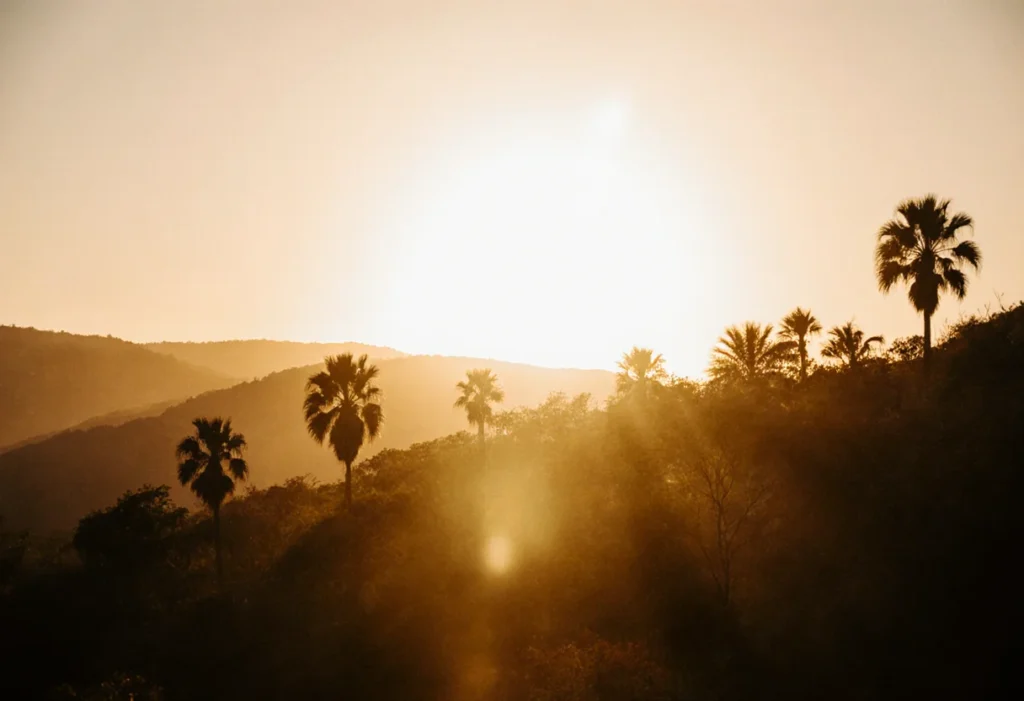
Insider Tip: In mid-July, there’s a short dry spell known as Veranillo de San Juan. It lasts about two weeks, offering summer-like conditions right in the middle of the rainy season — especially on the Pacific side.
How Weather Differs by Region

Pacific Coast
- Guanacaste (North Pacific) – The driest region in the country. Expect hot, cloudless skies in summer and brown landscapes. In rainy season, it greens up quickly with short but heavy downpours.
- Central Pacific – Hot and humid, home to true tropical rainforest. Even in dry season, it stays lush. Rainy season brings consistent showers and some of the country’s most vibrant biodiversity.
- South Pacific (Osa Peninsula) – Remote, wild, and humid year-round. Torrential rains in wet season, especially in Corcovado National Park — one of the most biodiverse places on Earth.
Central Valley (San José and Surroundings)
- East Side – Cooler and cloudier.
- West Side – Warmer and sunnier, especially in dry season.
Year-round, temperatures are spring-like compared to the coasts.
Northern Highlands
- Warm days and cooler nights. Humid and green, with regular rainfall, especially outside of dry season. Famous for volcanoes, lakes, and lush countryside.
Monteverde and Other Cloud Forests
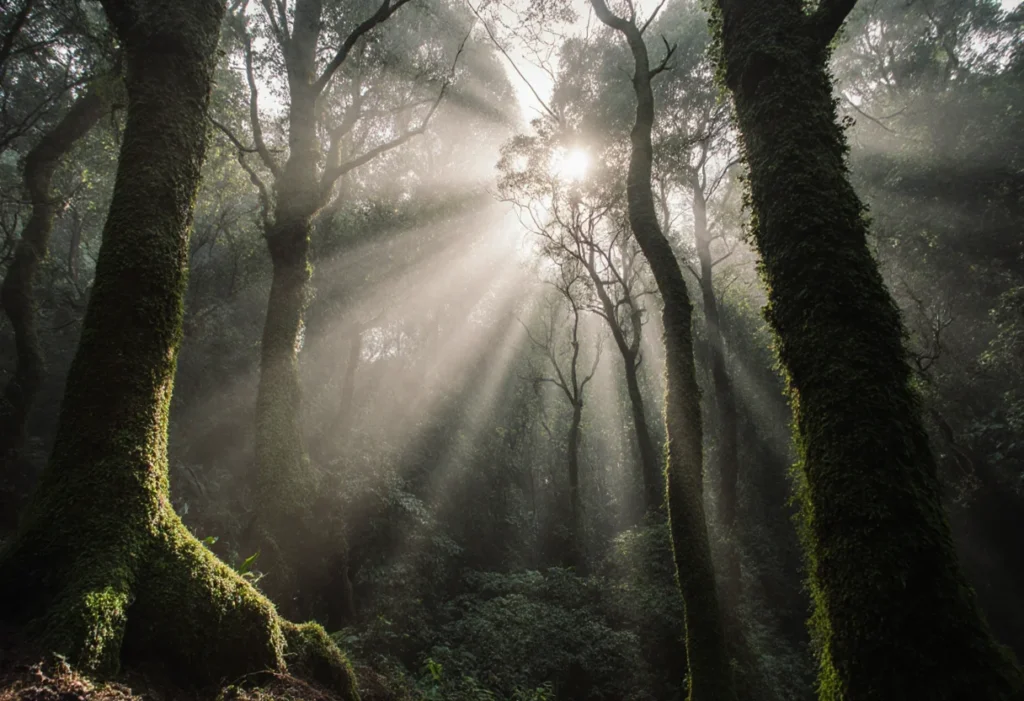
- Higher altitude means cooler temperatures and constant mist. Vegetation here is unique — moss-covered trees, orchids, and an otherworldly atmosphere.
Caribbean Coast
- Completely different weather pattern from the Pacific. Rainiest months are July, November, and December. Driest months are March, April, and February. It’s hot, humid, and unpredictable — you can get sunshine and rain in the same hour.
When to Visit Based on Your Travel Goals
For Sun & Beach: January to March on the Pacific Coast.
For Lower Prices & Lush Landscapes: May, June, September, and October.
For Wildlife: September and October for Caribbean turtle nesting; rainy season for birdwatching.
For Adventure Activities: Whitewater rafting is best in rainy season when rivers run high.
Final Word
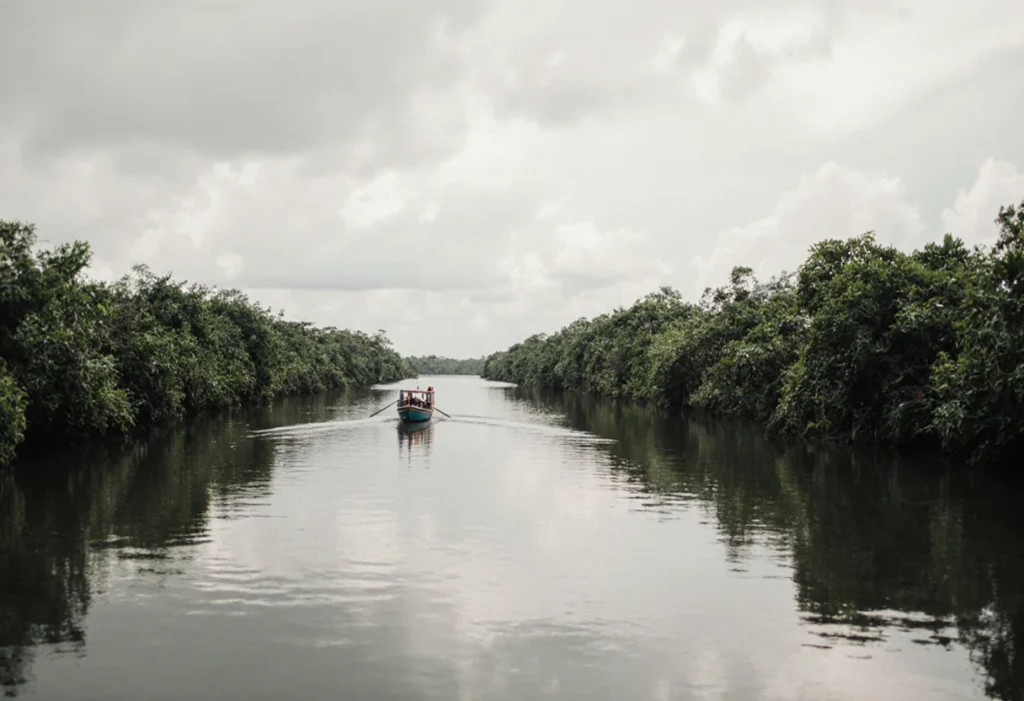
Costa Rica is a year-round destination. Even in the wettest months, you’ll find sunny breaks, and even in the driest months, some regions will surprise you with afternoon showers. The key is knowing where you’re going, what kind of experience you want, and planning around the country’s microclimates.