


Santa Teresa, Costa Rica: luxury with a beach-town rhythm
Santa Teresa is one of the trendiest beach destinations in Costa Rica, located at the southern end of the Nicoya Peninsula in Puntarenas Province. It is remote, scenic, international, surf focused, and more rustic than many of the country’s more developed beach towns.
The luxury is in the stay: a staffed beachfront estate, an ocean-view pool villa or a small hotel where breakfast and dinner are steps from the sand. Outside, the atmosphere stays informal. Surf, independent restaurants, wellness and long afternoons by the Pacific define the trip more than a resort schedule.
This guide helps you choose the right area, arrival and time of year. For the next decisions, compare our luxury hotels and villas, explore private experiences and day trips, or use the five-night itinerary to put them together.
What makes the setting special?
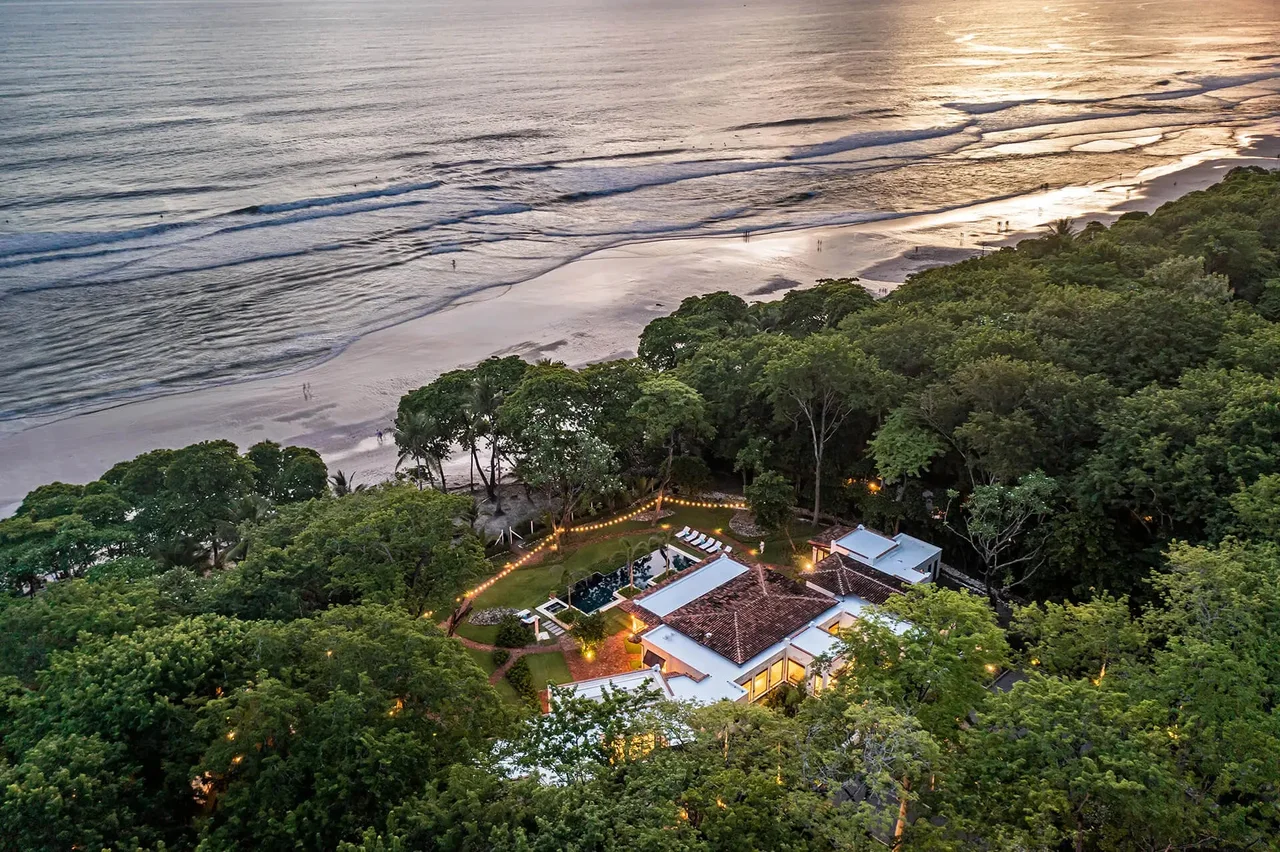
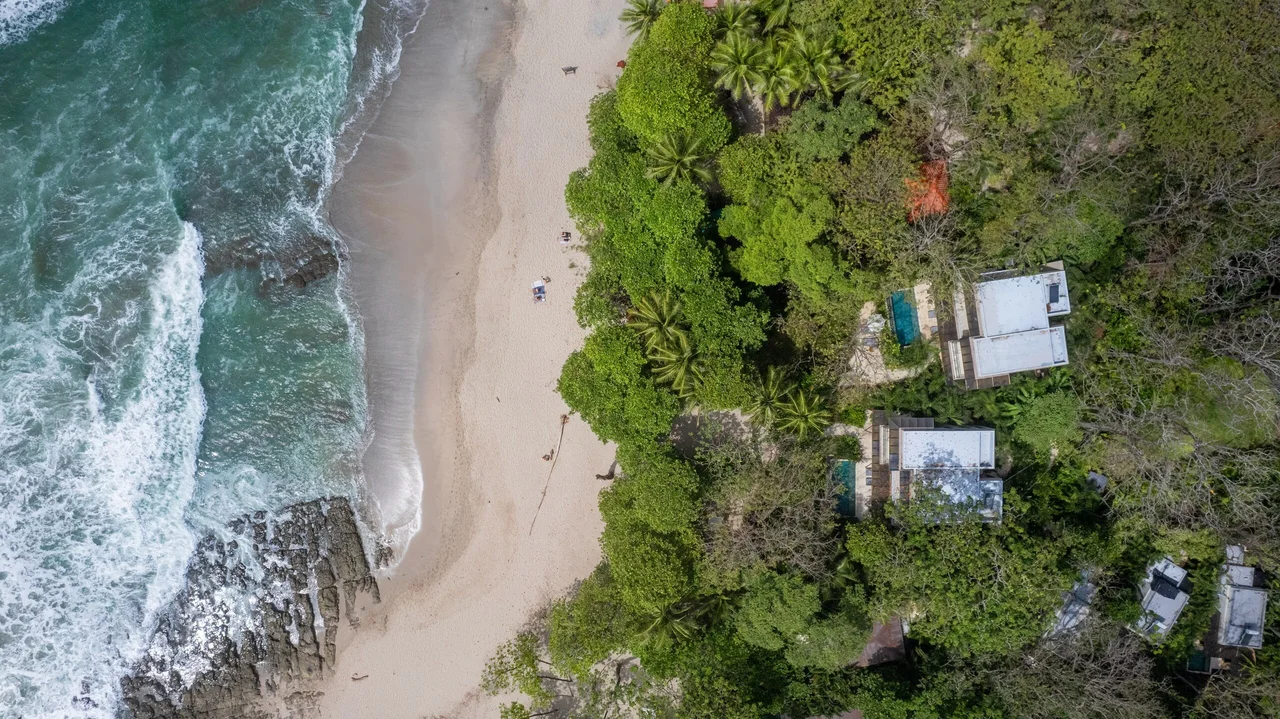
The landscape is the attraction: long surf beaches, coastal trees and green hills rising behind the houses. From the sand, the setting feels open; from a hillside terrace, you see the Pacific beyond the canopy. A beachfront stay gives you that landscape throughout the day, not just during an excursion.
Santa Teresa's appeal is the combination of an informal town and an exceptional private stay. You can spend the morning with a surf coach, stop for coffee in town and return to a house with its own pool and chef. Choose it for that independence and connection to the coast. For a contained resort vacation with calm-water beach service and extensive shared facilities, compare our Papagayo guide.
Is Santa Teresa worth visiting?
Santa Teresa is for travelers who want the Pacific close and the days unhurried: surf in the morning, lunch barefoot, and sunset without having to leave the beach. The best stays can be luxurious, but the town itself is informal. Come for an independent beach village, not a polished resort district or reliably calm swimming.
For a first visit, five nights gives you time to settle in. Stay near the main strip for restaurants and lessons, on Playa Hermosa for quieter mornings, or in the Mal País hills for privacy and ocean views. Pick the exact location before you pick the room: a villa with an ocean view and a villa you can walk out of onto the sand are different trips.
Santa Teresa, Playa Carmen and Mal País run along a narrow part of the southern Nicoya Peninsula. There is no single town center that puts the whole coast within walking distance. The beach feels wide open; the road that connects it can feel anything but.
Who will enjoy Santa Teresa?
Couples: Choose a beachfront bungalow if you want to go from breakfast to a lesson to dinner without much driving. A hillside pool villa is better if you would rather spend evenings at home. Arrange the return ride before dinner if you are staying up a steep road.
Families: Start with a pool, shade and beds that suit the children. Beachfront is convenient for sand and sunsets, but much of the coast faces open swell. For small children, do not count on the ocean as the main swimming plan.
Friends and celebrations: a staffed home makes the trip more than a succession of dinners out. Keep surf mornings, a private boat day and chef evenings around one beautiful base. Pasha's separate villas suit households that want their own retreat; a large single home such as Casa Teresa Grande keeps the gathering under one roof.
Longer stays: If you need to work, ask for a recent connection test from the exact room and check where you can take calls in privacy. A property that feels peaceful on a map may be next to the road, a venue or active construction.
How to get to Santa Teresa
Santa Teresa is on the Pacific side of the southern Nicoya Peninsula, in Puntarenas province. The closest commercial airfield is Cóbano, not an international gateway. From San José, compare a domestic flight into Cóbano with a private road transfer via the Puntarenas–Paquera vehicle ferry. There is a drive after landing or disembarking either way.
A private driver is useful for a party with luggage, children or a late connection. A helicopter transfer can work if the aircraft, luggage, daylight and landing access fit. Compare the full trip from terminal to villa, not just the time in the air.
Which arrival route would we choose?
For a couple with a short stay: a regional flight into Cóbano and a waiting private car is the first option to compare. Cóbano Airport publishes an approximate seventeen-minute drive to Santa Teresa; the exact hotel, hills and road conditions can add time. Carry the essentials with you and have the larger luggage planned before choosing a small aircraft.
For a family or group with surfboards and large bags: the private road-and-ferry option keeps everyone and the equipment together. The tradeoff is the longer journey and a fixed sailing. Book the car and crossing as one plan, with the driver handling the handoff, rather than treating the ferry as something to arrange after landing.
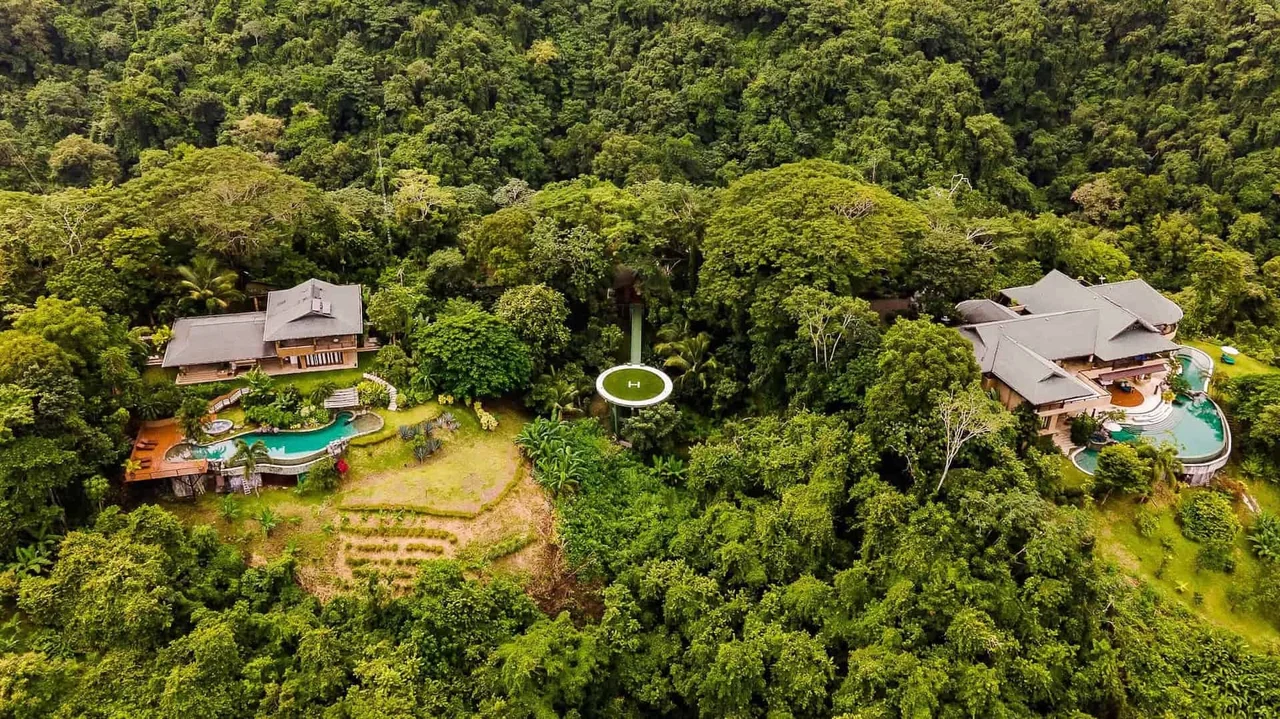
For a coast-to-coast luxury trip: compare a private charter or helicopter with the overland day. We can work around the permitted landing point and arrange the last drive to the house. A villa heliport does not mean every aircraft can land there; the operator confirms the actual plan.
Useful journey allowances
For a central beach hotel, Nantipa publishes roughly five to six hours for the San José road-and-ferry journey. Treat that as a planning reference, with additional room for your actual airport arrival, sailing and final address. The road journey is a meaningful part of the travel day; it is not an excursion to fit around a timed lunch.
On the peninsula, the same hotel lists about forty-five minutes to Montezuma Waterfalls and about ninety minutes to the Paquera ferry terminal. These are hotel-based estimates, not fixed times for every villa. A Hermosa estate or a steep hillside changes the pickup. Bespoke Costa Rica can put the route, bags and vehicle into one arrival plan.
Getting around Santa Teresa
You can walk within a small pocket of town. You probably will not want to walk the entire corridor in the heat, after dark or with children and boards. Ask the property which beach access and restaurants are practical on foot and whether the walk is along the road or down a lane.
A rental car gives you flexibility for several day trips. Confirm access and whether a 4×4 is appropriate for the exact driveway and season. An ATV is not a substitute for a seat-belted transfer with children, at night or after drinks. A prearranged car works better for dinner, airport luggage and day trips where you don't need a vehicle every day.
With Bespoke Costa Rica, private transportation means a vehicle with a driver, not a self-drive rental. For a couple at a walkable beach hotel, airport transfers and cars on excursion days may be enough. For a family in Hermosa or a hillside villa, plan dinner rides and activity pickups before arrival. A dedicated driver adds flexibility when the group wants to change plans or leave at different times.
Small arrangements that improve the stay
For a remote villa, arrange the first breakfast, drinking water and groceries before arrival. Keep daily outings around one part of the coast rather than repeatedly crossing town. For families, child seats, luggage space and the last driveway should be part of the vehicle selection, not decisions left until pickup.
Carry a little local cash alongside cards for smaller purchases. If connectivity, stairs or access to medical care is important to someone traveling, make it part of choosing the base. We can plan the stay around those requirements before presenting the shortlist.
Where to stay: choose the right stretch of coast
Carmen lies between Santa Teresa and Mal País. From there, the northern coastal stretch leads toward central Santa Teresa, Hermosa and Manzanillo; the southern side leads toward Mal País and Cabuya. Choose your part of the coast around the days you want, rather than treating every Santa Teresa address as equivalent.
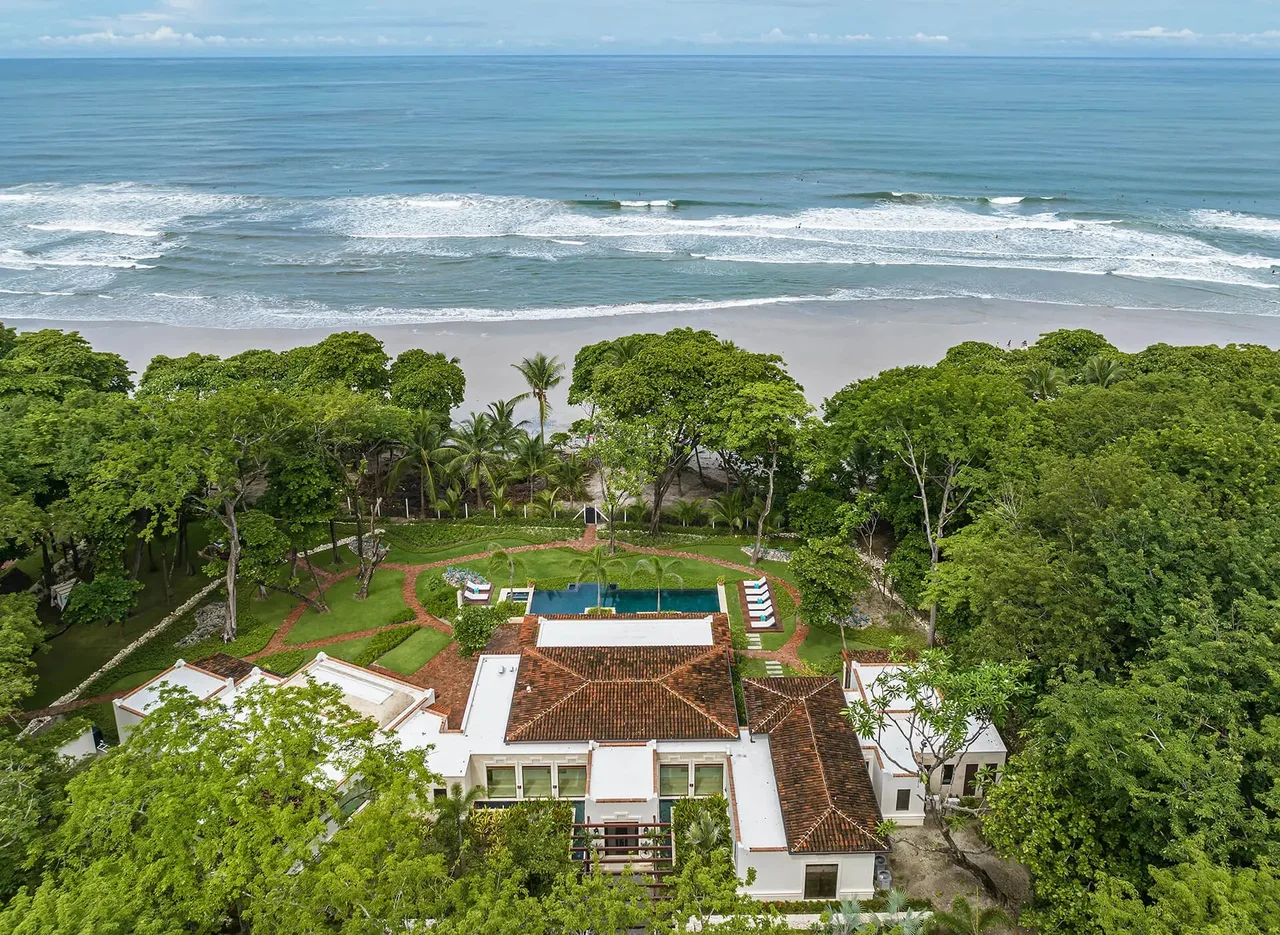
For a hotel, staffed beachfront estate or private pool villa, use the Santa Teresa luxury stays comparison. Compare bed layouts and access before committing to a large house.
What each area changes about the day
Carmen: a good starting point for guests who want the town involved in the trip: coffee, meals and surf arrangements around a relatively active pocket. Choose a quieter room or house set away from the road if afternoon rest matters.
Central Santa Teresa and La Lora: a beach-and-dinner rhythm, particularly for couples and surfers who want to go out regularly. Fermata's surf program makes La Lora a practical choice for a coaching-focused stay. A nearby restaurant on the map can still require a roadside walk; we plan the location around the actual access.
Hermosa and the north: start with the house and beach, then add outings. Pasha is a strong fit for a group that will have breakfast and dinner together at home. This is different from booking a villa and expecting to walk into a compact town square every evening.
Mal País hills: the terrace and pool become part of the destination. Choose OCiO for the privacy and outlook, with transport for the days you leave. It suits guests who enjoy a long afternoon at their stay more than several spontaneous trips into town.
A short accommodation shortlist
For two, compare Nantipa's beachfront Ninta bungalow with a private-pool hillside stay. For a family that wants hotel facilities nearby, start with Nantipa's three-bedroom villa. For several households, compare Pasha's separate buildings with Casa Teresa Grande's single-home arrangement. The full stays guide explains the room layouts and facilities behind those recommendations.
Beaches, surf and swimming
Santa Teresa's open Pacific coast is shaped by surf. Its long sandy stretches, rocky sections and northern beach scenery offer different ways to enjoy the shore. Choose a beach outing for its setting and the activity you want, not simply the nearest name on a list.
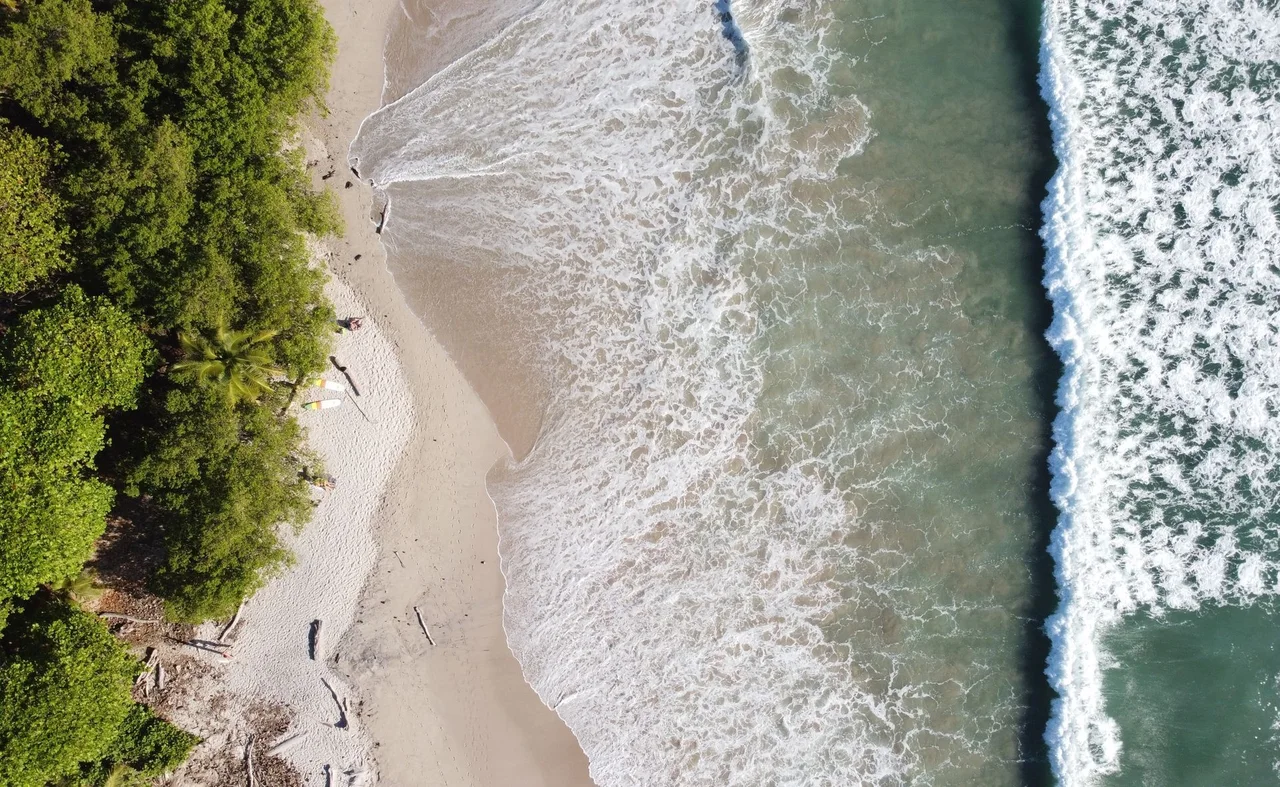
Let a local instructor choose the break and tide based on skill, swell and currents rather than booking a particular peak on sight. If there is no safe entry, watch the surf from shore or use the pool. Do not rely on a hotel being beachfront as proof of lifeguard coverage.
For more than surf, pick one inland day and one local day. Montezuma and Cabuya are worthwhile when you have a day to explore. Cabo Blanco is for a forest walk rather than a guaranteed wildlife sighting; check SINAC access and opening days before committing. Compare the outings in the Santa Teresa experiences guide.
Choose the beach for the kind of afternoon you want
Carmen and Santa Teresa: choose these for the town's surf atmosphere and a beach walk connected to a meal or lesson. You do not need to surf to enjoy watching the sessions and staying through the changing light.
Hermosa: choose a less scheduled afternoon around the northern beach setting. For a group in a beachfront estate, walking out from the house is often more enjoyable than driving to several other beaches just to say you visited them.
Manzanillo and Mal País: treat these as changes of scenery, not interchangeable swimming stops. Manzanillo extends the northern coastal outing; Mal País brings a more irregular rocky shoreline and forested surroundings. Keep the route selective so there is time to stop and enjoy it.
For young children or guests whose priority is floating and swimming, choose the accommodation's pool carefully. A beautiful surf beach and a reliably gentle swimming beach are different things. A gulf-side excursion can add another coastal setting without changing hotels.
Food, evenings and time to slow down
Santa Teresa has a social sunset and dinner scene, but it isn't a resort strip with predictable nightly entertainment. Ask locally what is on for your dates and pick the atmosphere you want. If you are choosing between beach towns, see our Santa Teresa, Tamarindo and Jacó comparison.
For a group staying in a villa, a private chef evening is often the most comfortable way to enjoy the house: one menu, one table and no return drive. We can coordinate the meal around dietary needs and the day's activities. Groceries, drinks and any outside staff should be clear in the proposal, particularly when comparing a staffed estate with a hotel villa.
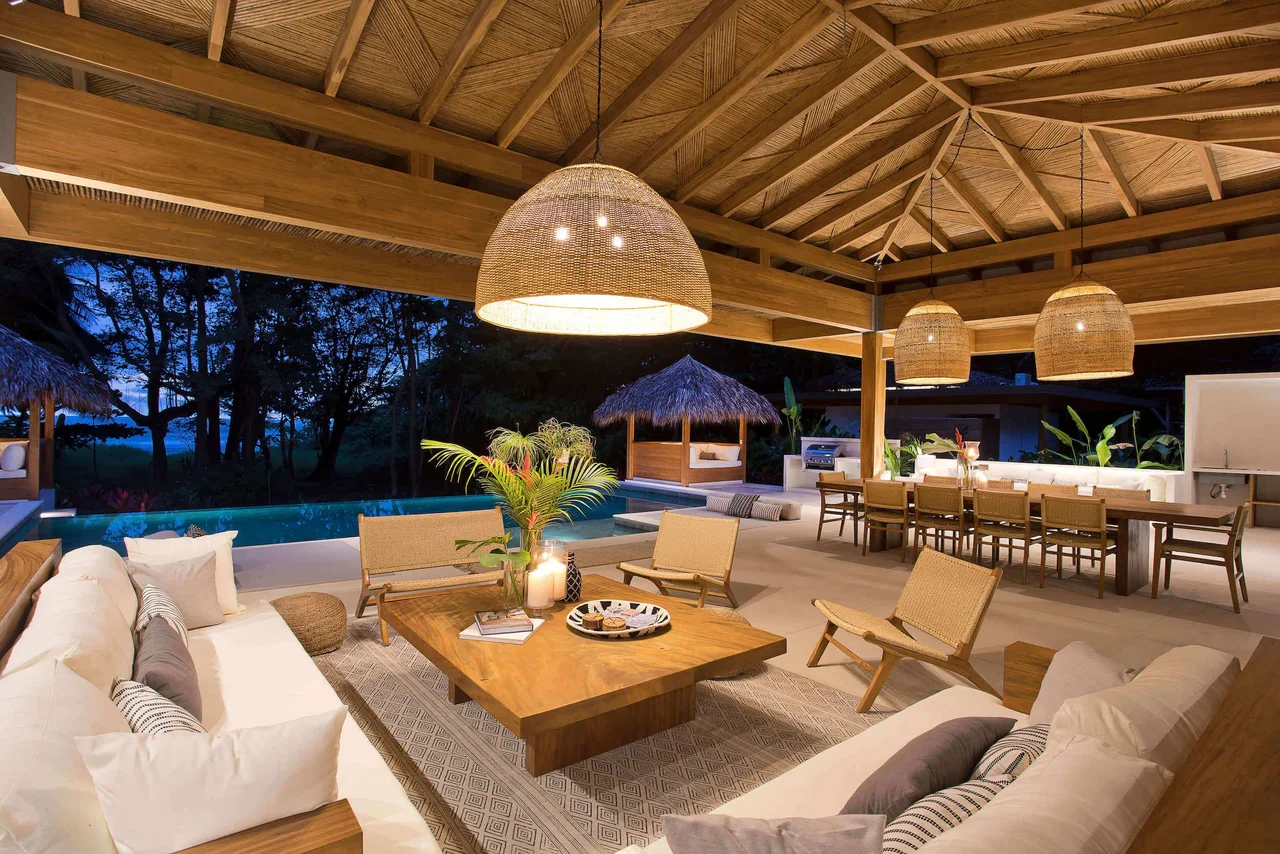
Save one afternoon for a massage, yoga or a slow meal. It is easier to enjoy the coast when the surf lesson is your only fixed plan that day. Pick up essentials before driving to a remote house and confirm late check-in before traveling.
Where to eat, by occasion
- Manzú at Nantipa: beachfront Costa Rican-inspired dining and sunset cocktails. For a more deliberate evening, its Pura Vida tasting menu adds a six-course alternative to a casual beach meal.
- Fermata Kitchen: a dining option to build into a La Lora evening, especially when surf and dinner close to the stay are part of the appeal.
- Katana: an Asian dining option for a night away from the beach-restaurant routine, particularly convenient to consider around the Carmen side of the trip.
- The Bakery Café: breakfast or lunch rather than a formal dinner. It gives a town morning a purpose after a beach walk or between local plans.
- El Carmen: a sunset-and-music option around Playa Carmen. Choose it for a more social evening, rather than expecting the quiet of a private villa dinner.
For a couple, reserve one special dinner and leave other evenings flexible. For a larger group, alternate restaurants with a chef evening at home. Bespoke Costa Rica can coordinate reservations, dietary requirements and the return transport around the stay.
Best time to visit and how many nights to stay
Three nights: one main outing and a flexible beach day if arrival and departure work in your favor. Five nights: enough for a lesson, one trip out, and real time at the hotel or villa. Seven nights: a better fit if you are traveling as a group or want several surf sessions without sacrificing slow days.
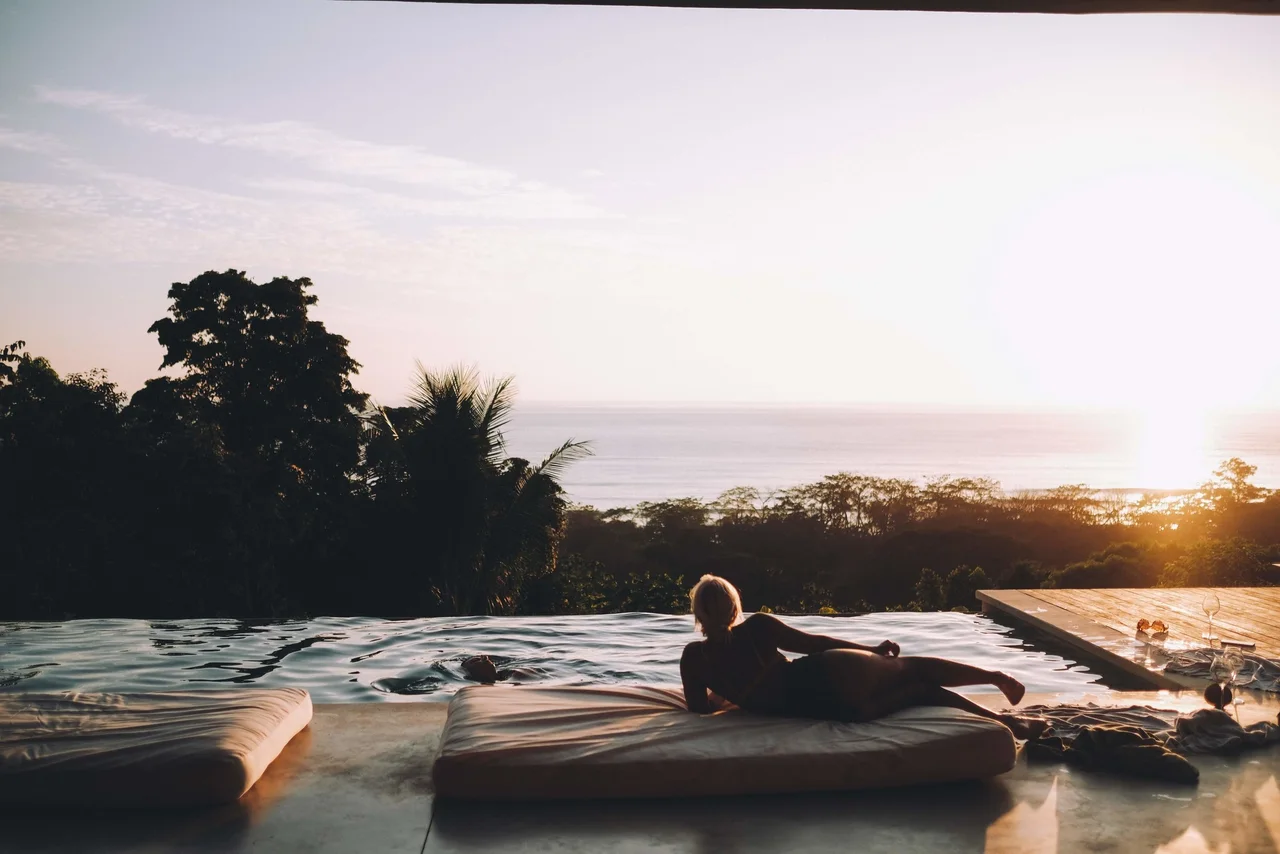
Arrive without an excursion on the clock. Put a local beach or surf day first, then keep the longer nature or boat outing flexible. Finish with a low-commitment day close to your stay so weather has somewhere to move your plans. See how those pieces fit in a five-night Santa Teresa itinerary.
Avoid booking the last ferry against an uncertain flight, assuming the house is walkable, or planning multiple far-apart activities on the same day.
What should you combine with Santa Teresa?
La Fortuna: add rainforest, hot springs and a different landscape before the beach. Give the change of base its own travel day; it is not a quick trip between nearby resorts. Our La Fortuna guide helps decide how many nights to keep inland.
Montezuma: visit for a day if you want the small town and a suitable waterfall outing, rather than packing again for one night next door. Another beach town: add one only if the change offers something you actually want, such as Tamarindo's larger town base and access to a wider range of services. For a short trip, one well-chosen Santa Teresa stay is usually more satisfying than a tour of neighboring hotels.
What changes through the year?
December-April: the first choice when drier beach days are the priority. Christmas, New Year and Easter bring stronger demand; a particular staffed estate or room configuration should anchor the booking before the smaller details.
May-August: consider a greener landscape and a more flexible daily schedule. A covered terrace, comfortable indoor living and a good pool make the accommodation useful between showers. Surf conditions still need to match ability, rather than assuming larger waves improve every guest's trip.
September-October: choose deliberately for a wetter period, with extra attention to property operation and road access. This is not the same proposition as a dry-season beach week. A beautiful house matters more when time indoors becomes part of the holiday.
November: a transition toward the drier season, not a guarantee of dry weather from the first day. Retain flexibility for outdoor plans and book the accommodation for the experience you want even if an excursion moves.
Santa Teresa travel questions
Is it worth visiting? Yes, if you want surf, sunsets and a laid-back beach town. Choose another coast if easy calm-water swimming and resort-style infrastructure come first.
Is it good for families? Yes, with a pool, a suitable bedroom layout and planned transport. Choose the beach outing based on that day's water conditions.
Is it good for couples? Yes. Choose between a beachfront base with meals nearby and a hillside villa where you expect to spend more time at home.
What is it known for? Pacific surf, long sunsets, independent restaurants and a mix of boutique hotels and private villas.
Which airport? Cóbano for regional flights. Compare the door-to-door journey from San José and Liberia for international arrivals.
Do you need a 4×4? Not for every trip; check your property's last stretch and road conditions. A private transfer avoids having to choose or drive the vehicle yourself.
What safety details matter? Pay attention to surf and tide warnings, secure valuables and arrange a ride if your return walk is unlit or on the roadside.
Is it good for nightlife? It's better for sunset, dinner and smaller venues than for a full resort entertainment schedule.
Which beach should I choose? Start with Carmen for convenience, central Santa Teresa for an active surf scene, and Hermosa for a quieter stretch. Check water conditions at all three.
What is the best luxury base? A hotel for walk-out service, a staffed beachfront estate for a group, or a hillside villa for privacy. Check the exact room and access.
How long? Five nights is a useful starting point for a first trip.
Santa Teresa or Tamarindo? Santa Teresa for a smaller surf-town feel; Tamarindo for an easier town base and more nearby services.
Start with the right stretch of coast and a realistic arrival plan. Then leave the days open enough for Santa Teresa to be the reason you came.