
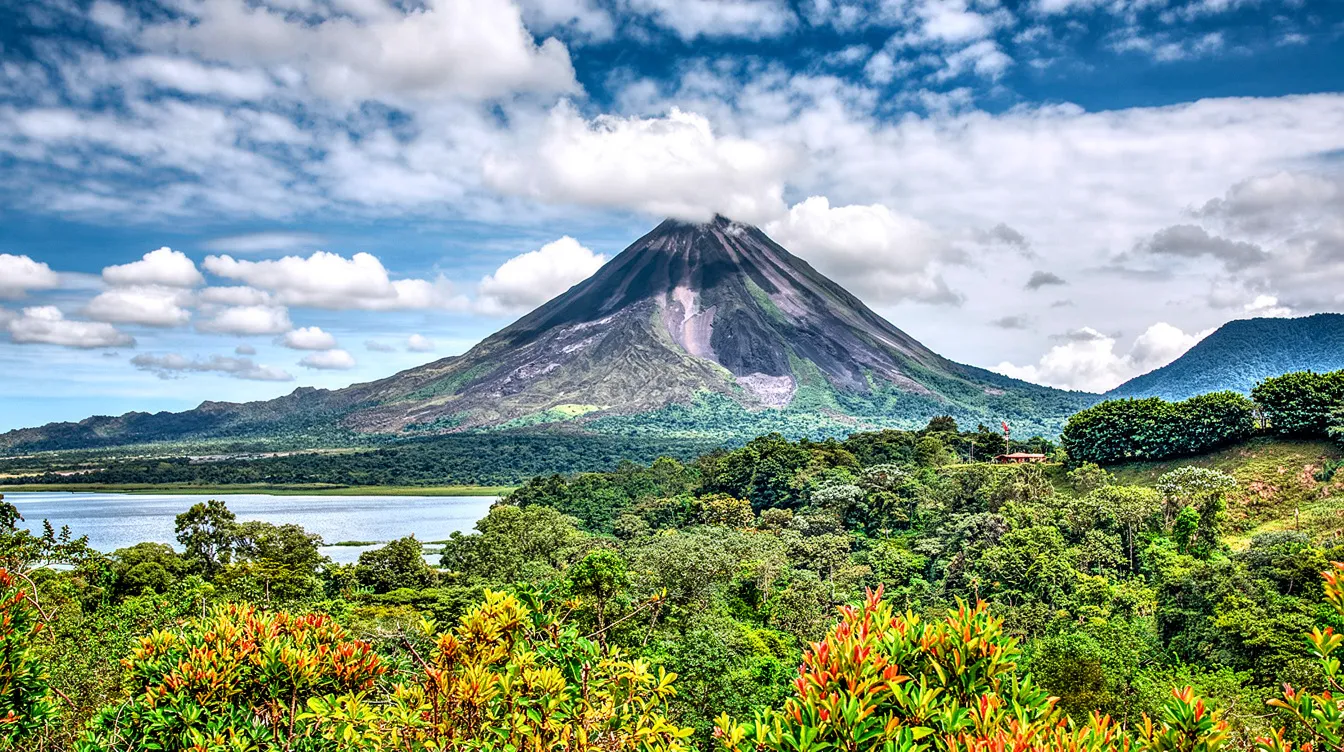
Costa Rica is a country full of natural wonders. Travelers come from all over the world to see its beaches, rainforests, wildlife, waterfalls, hot springs, cloud forests, and mountain landscapes. But one of the most powerful forces behind all of that beauty is Costa Rica’s volcanoes.
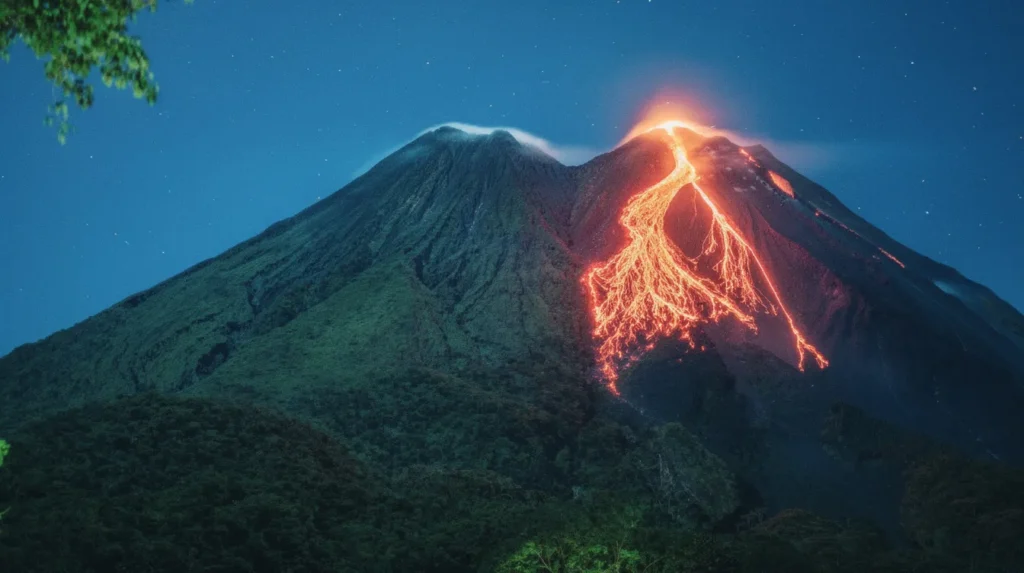
These mountains of fire have shaped the land for thousands of years. They helped create the highlands, fertile soils, crater lakes, hot springs, mineral-rich rivers, cloud forests, and dramatic ecosystems that make Costa Rica one of the most biodiverse places on Earth.
Costa Rica has many volcanoes because it sits on the Pacific Ring of Fire, the huge volcanic and earthquake belt around the Pacific Ocean. In Costa Rica’s case, the Cocos Plate pushes beneath the Caribbean Plate along the Pacific coast. As that oceanic plate sinks deep into the Earth, it helps melt rock in the mantle. That molten material rises and forms the volcanic mountain ranges that cross the country.
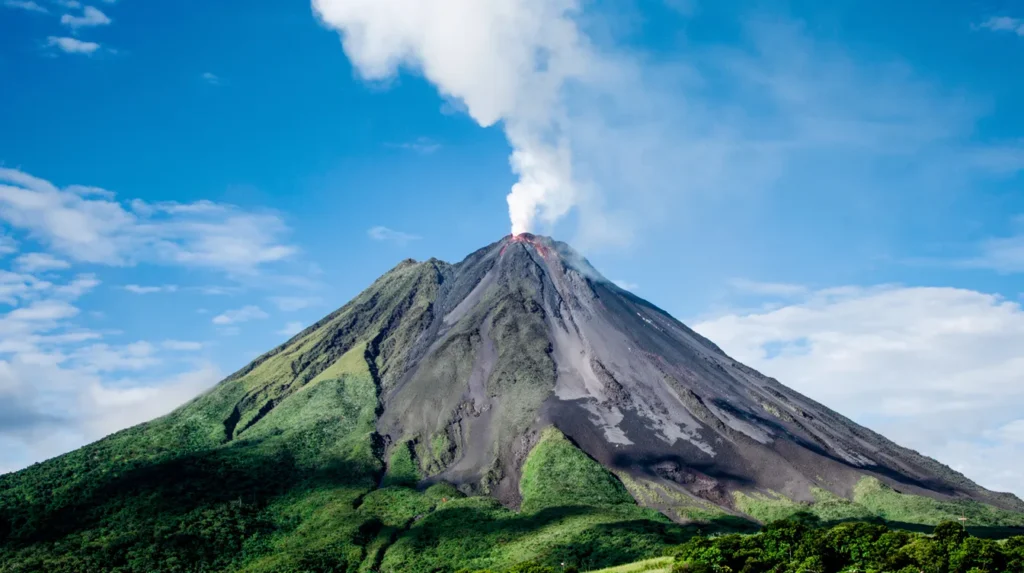
This is why Costa Rica has famous active volcanoes like Poás, Rincón de la Vieja, Turrialba, Irazú, and Arenal, along with older dormant or less active volcanic formations.
For visitors, Costa Rica volcanoes are not just geological landmarks. They are part of the country’s natural character. They offer hot springs, rainforest hikes, crater views, waterfalls, mud baths, volcanic landscapes, panoramic viewpoints, and some of the most iconic national parks in Costa Rica.
Best volcanoes in Costa Rica to visit
If you want the quick answer, these are the best Costa Rica volcanoes to consider:
- Arenal Volcano for hot springs, rainforest, luxury lodges, volcano views, and adventure
- Poás Volcano for an easy active crater visit from San José
- Irazú Volcano for a high altitude crater visit near Cartago and San José
- Rincón de la Vieja Volcano for geothermal landscapes, mud pots, waterfalls, and adventure
- Tenorio Volcano for Río Celeste and blue river scenery
- Turrialba Volcano for a quieter, more rugged volcano experience
- Miravalles Volcano for geothermal energy, mud baths, hot springs, and a hidden Guanacaste experience
Each volcano has a different personality. Some are easy half-day visits. Others are destinations where you can spend several nights.
Arenal Volcano
Arenal Volcano is one of the great symbols of Costa Rica tourism. It combines a dramatic cone shape, a powerful eruption story, hot springs, rainforest, adventure tourism, and the town of La Fortuna, which developed around the volcano’s natural appeal.
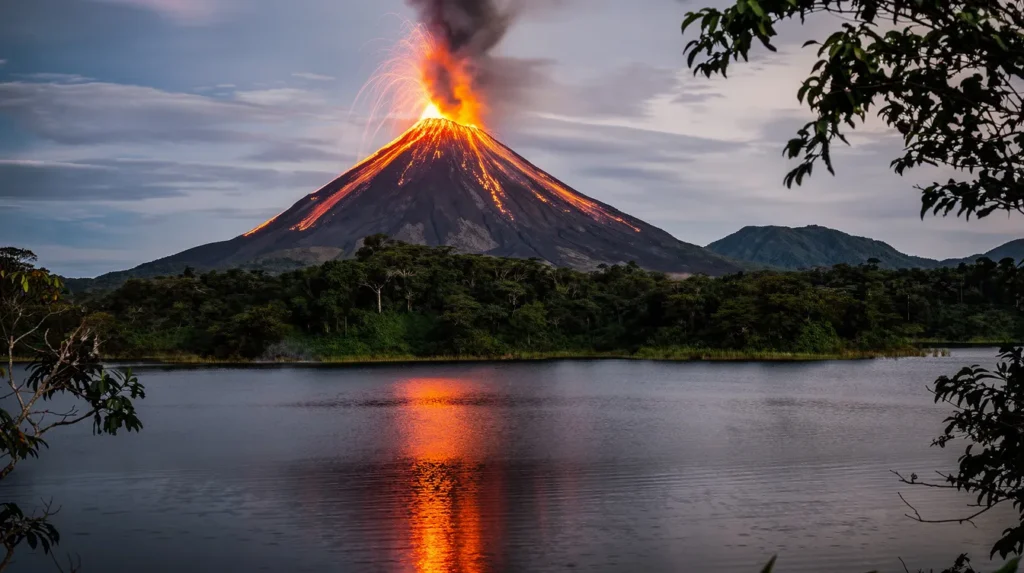
Arenal is located in northern Costa Rica, in Alajuela Province, near Lake Arenal and the town of La Fortuna. Geologically, Arenal is a young stratovolcano. Its modern fame began on July 29, 1968, when the volcano suddenly erupted after centuries of quiet. Before that, many locals thought of it as a mountain rather than a dangerous active volcano.
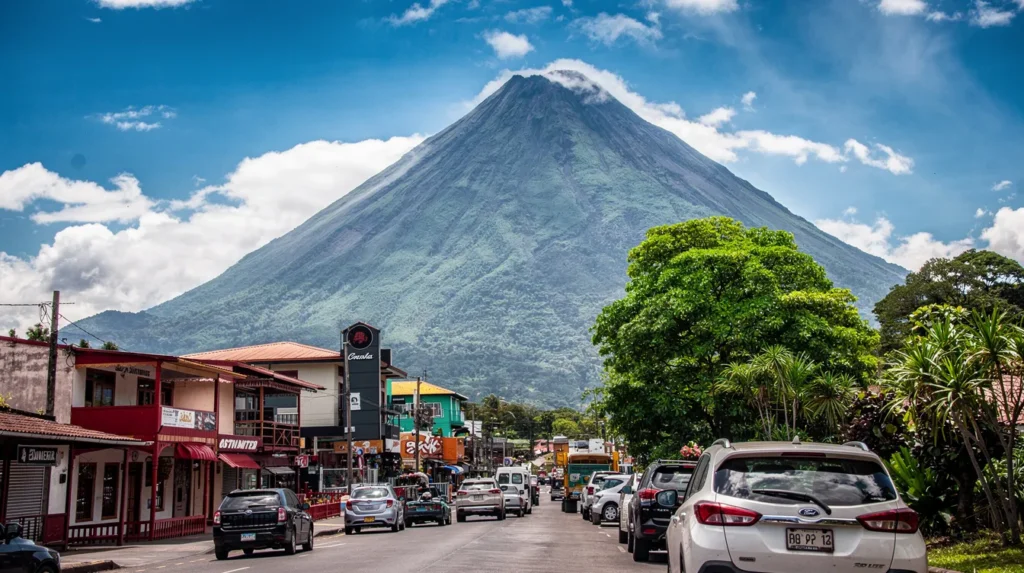
The 1968 eruption destroyed or devastated the small settlements of Tabacón, Pueblo Nuevo, and San Luis, killed around 87 people, damaged farms, killed livestock, and changed the region permanently. After 1968, Arenal entered one of the most spectacular active periods in modern Costa Rican history, with lava flows, explosions, ash, gas, glowing rocks, and nighttime displays that made it internationally famous. Smithsonian’s Global Volcanism Program describes Arenal’s eruptive period as beginning with the major 1968 eruption and ending in December 2010.
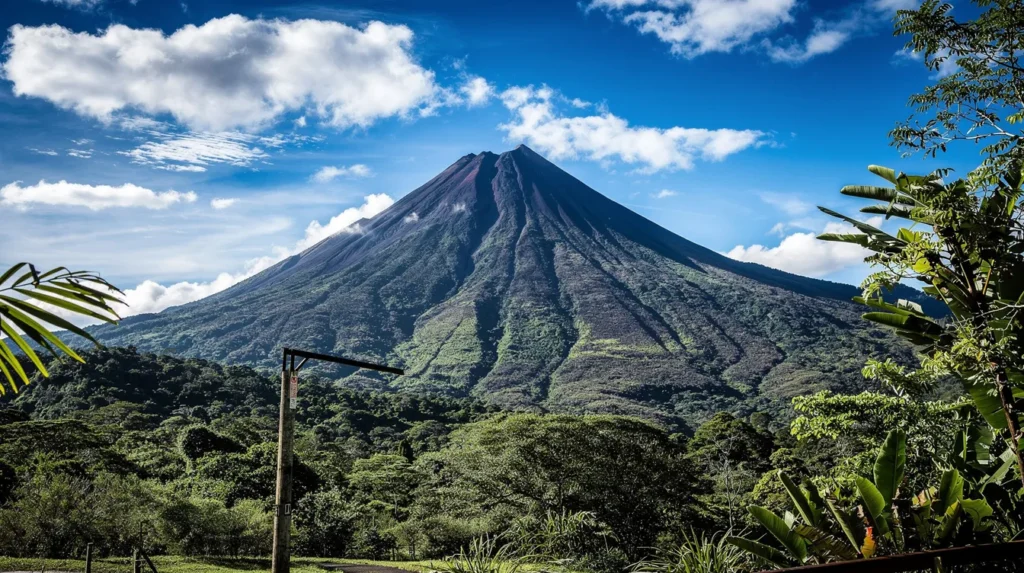
Today, Arenal is calm, and visitors do not climb to the crater. The experience is about the landscape around the volcano: old lava flow trails, rainforest, hanging bridges, hot springs, waterfalls, lake views, night walks, and luxury stays with volcano views.
There is so much to do in La Fortuna and Arenal that this is not just a one-day volcano stop. You can easily spend three to five nights here and still not run out of things to do.
Best things to do near Arenal Volcano:
- Arenal Volcano National Park hikes
- Hot springs and thermal pools
- La Fortuna Waterfall
- Hanging bridges
- Night rainforest tours
- Lake Arenal activities
- Horseback riding
- Private naturalist-guided hikes
- Spa treatments and rainforest wellness days
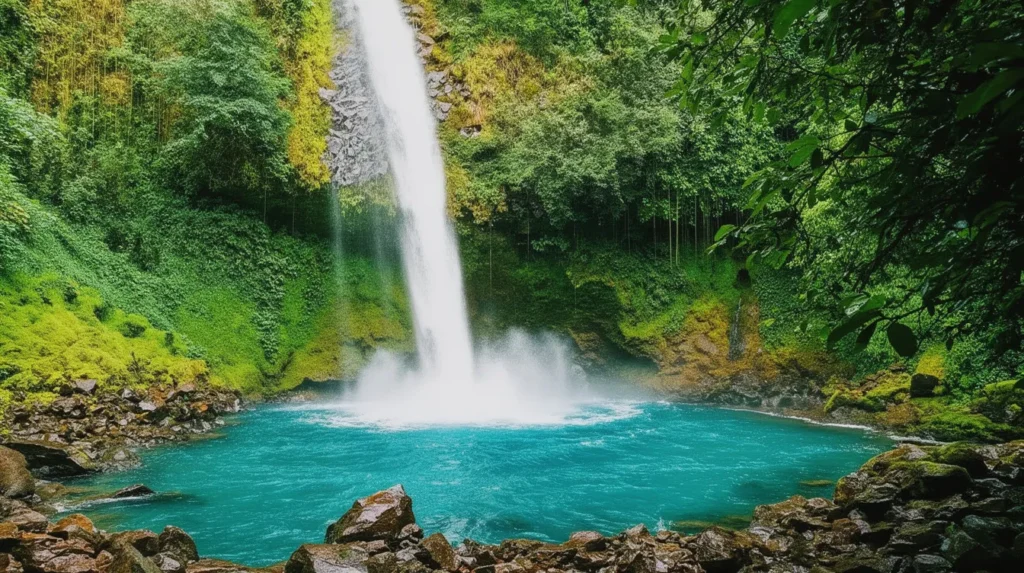
Arenal is the best Costa Rica hot springs volcano and one of the best all-around destinations in the country.
Poás Volcano
Poás Volcano is one of Costa Rica’s most famous and accessible active volcanoes. It is located in Alajuela Province, in the Central Volcanic Range, about 1.5 hours from San José depending on traffic and route. It rises to around 2,708 meters and is known for its massive main crater, acidic crater lake, fumaroles, steam, and dramatic highland cloud forest setting.
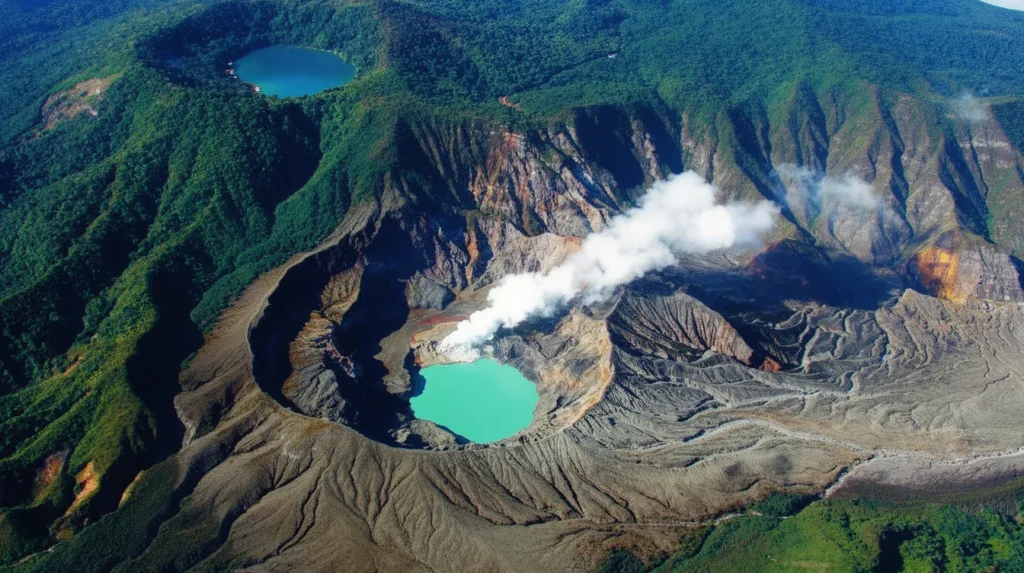
Poás is popular because it gives travelers a rare chance to stand near the edge of an active volcanic crater without doing a difficult hike. This makes it one of the easiest volcano day trips from San José.
The visit is simple compared with other volcano experiences. You reserve your entrance, arrive at the park, pass through the visitor control area, and walk an easy paved trail to the main crater viewpoint. The main attraction is the crater view itself. On a clear morning, the view is dramatic. On a cloudy day, visibility can disappear quickly.
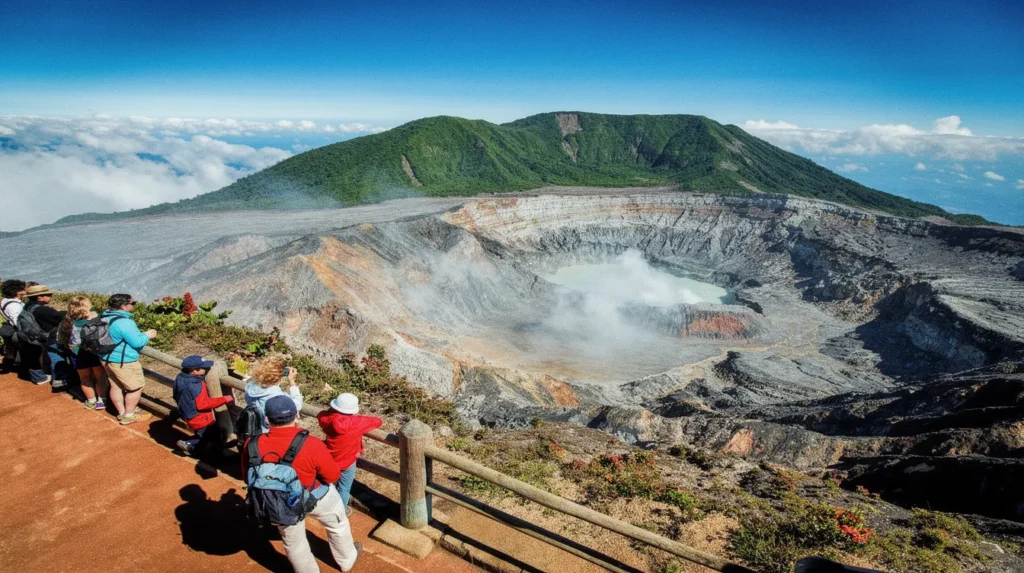
Because Poás is active, access is controlled and the park can close with little notice due to gas, ash, or volcanic activity. SINAC lists Poás Volcano National Park as an official protected area, and recent visitor information notes online ticketing and timed access as part of the experience.
Poás is not a full adventure hiking destination like Arenal or Rincón de la Vieja. It is best as a half-day or full-day experience from San José or Alajuela, especially when combined with the surrounding mountain area.
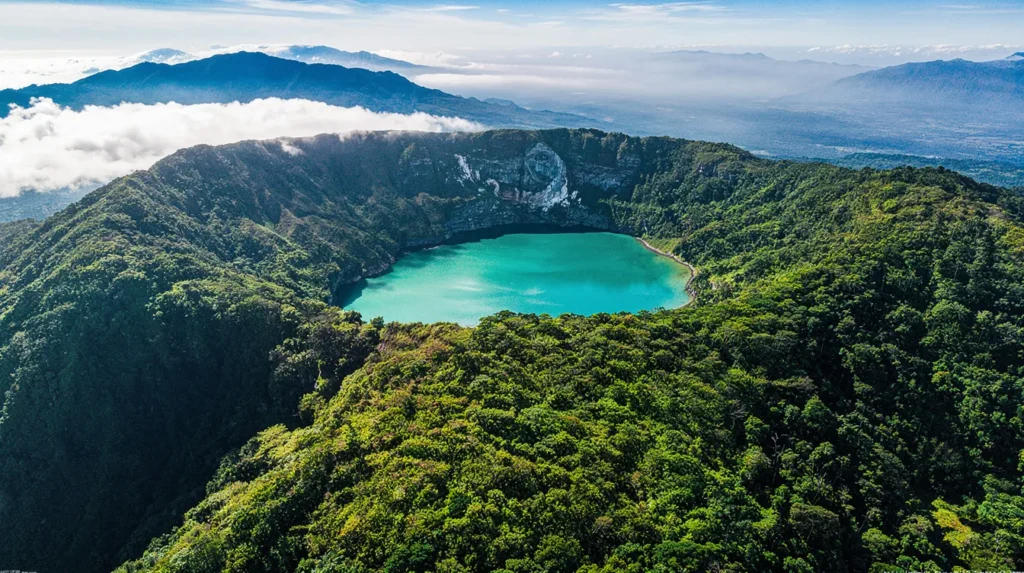
The Poás region is beautiful in its own right. Around the volcano, you can find cool mountain weather, dairy farms, strawberry farms, coffee farms, scenic viewpoints, local restaurants, and a very Costa Rican highland atmosphere.
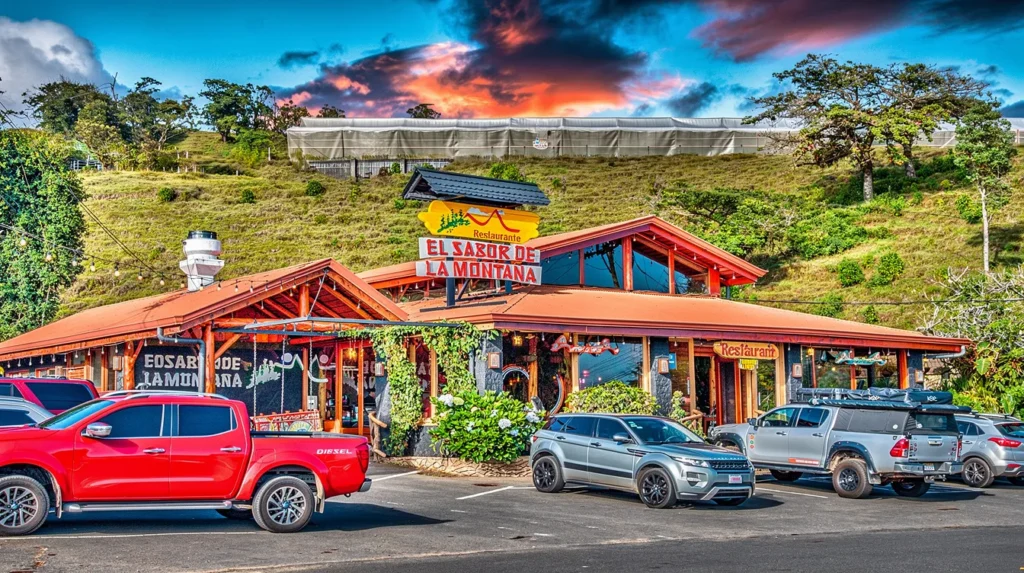
A great Poás day can include:
- Poás Volcano crater visit
- Coffee farm or coffee tasting
- Typical Costa Rican lunch with mountain views
- Strawberry farm stop
- Scenic drive through Alajuela highlands
Irazú Volcano
Irazú Volcano is one of the most accessible and historically important volcanoes in Costa Rica. It is located near Cartago and San José, making it a practical day trip from the Central Valley.
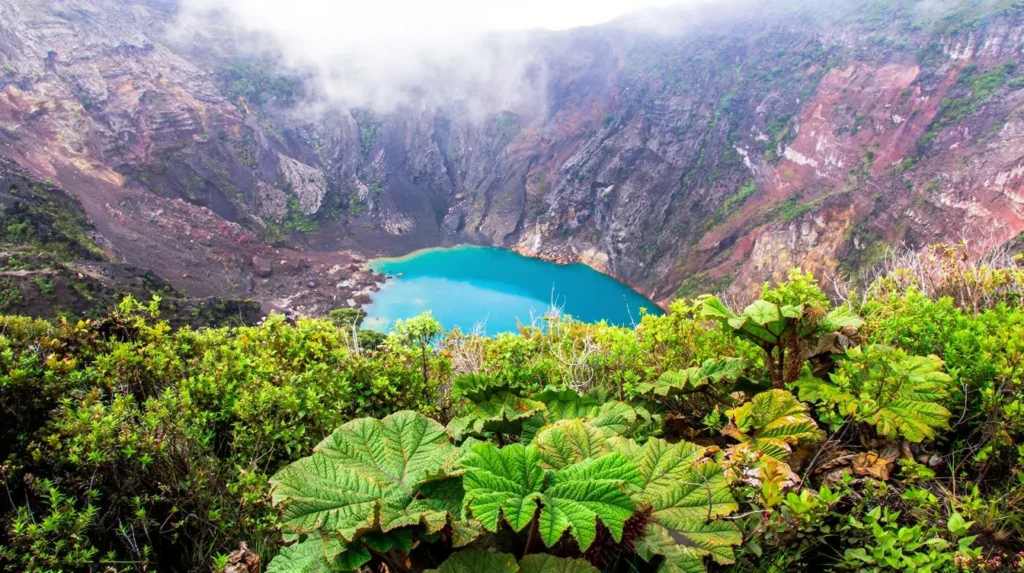
It does not have the same tourism brand as Arenal, and it does not offer hot springs and adventure lodges like Rincón de la Vieja, but it is still one of the most important volcanoes in the country. SINAC describes Irazú as the highest volcano in Costa Rica, with five craters, impressive views, and easy access from the city.
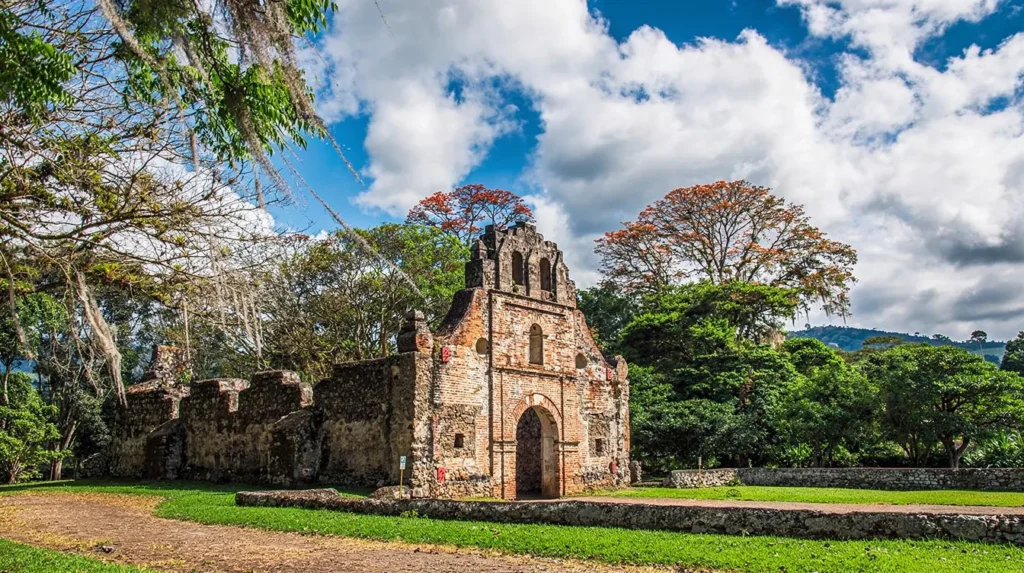
Irazú reaches about 3,432 meters, which makes the experience very different from Arenal or Poás. It is colder, windier, more barren, and more lunar-looking. The main attraction is the crater sector, where travelers can see the volcanic landscape, crater areas, ash-covered terrain, and, on very clear days, long panoramic views across the country.
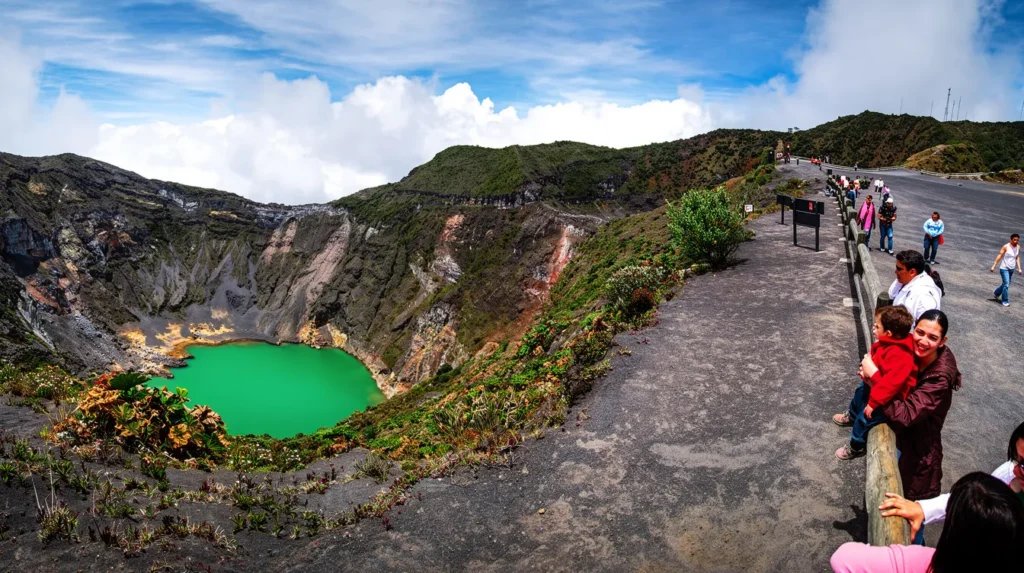
Historically, Irazú has affected Costa Rican life directly. Its first well-documented eruption was in 1723, and its most famous modern eruption began in March 1963, around the time of U.S. President John F. Kennedy’s visit to Costa Rica. The eruption continued into 1965, and ash reached San José and surrounding areas, disrupting daily life, agriculture, transportation, and the Central Valley.
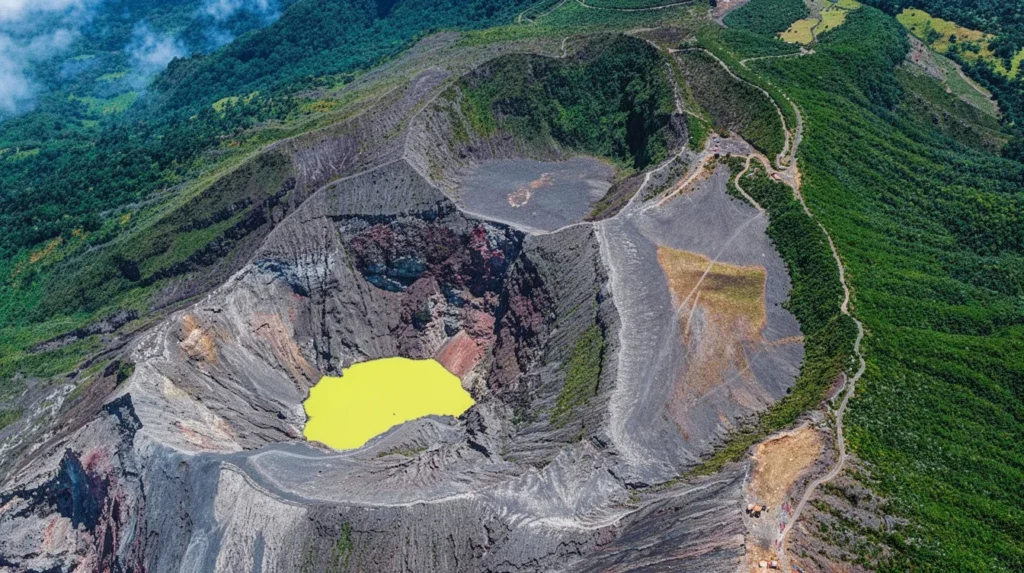
For visitors, Irazú is usually a short and accessible crater visit, not a difficult hike. You normally reserve tickets online through SINAC, choose the crater sector, and drive up from Cartago on a paved mountain road. The classic tourist visit is the crater area, while the Prusia Sector is more forest-focused and better for longer walks and recreation.
Go early because clouds can roll in quickly. Bring a jacket because it can be cold and windy at the summit.
A strong Irazú day can include:
- Irazú Volcano crater sector
- Cartago city stop
- Basílica de Nuestra Señora de los Ángeles
- Orosi Valley
- Local mountain restaurant
Rincón de la Vieja Volcano
Rincón de la Vieja is one of Costa Rica’s most important active volcanoes. It is located in Guanacaste, near Liberia, inside Rincón de la Vieja National Park. It is part of the Guanacaste Volcanic Range and is not a single perfect cone like Arenal. It is a large volcanic complex with multiple craters, fumaroles, boiling mud pots, hot springs, steam vents, waterfalls, dry forest, rainforest, and cloud forest.
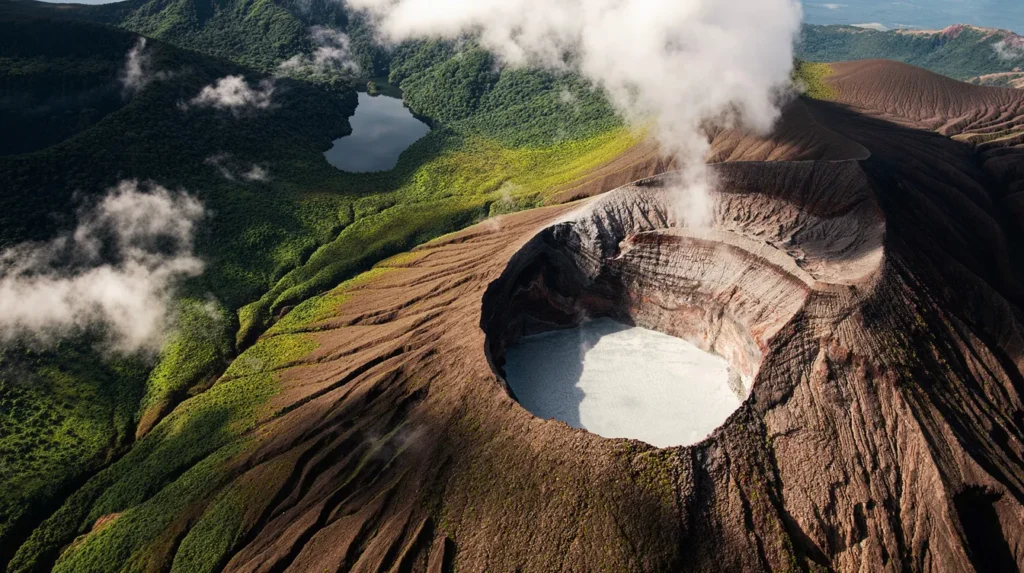
The name means “the old woman’s corner” and is connected to the Indigenous legend of Princess Curubandá. According to the story, after losing her forbidden lover to the volcano, she retreated to live on its slopes and became known as a healer or spiritual figure connected to the mountain.
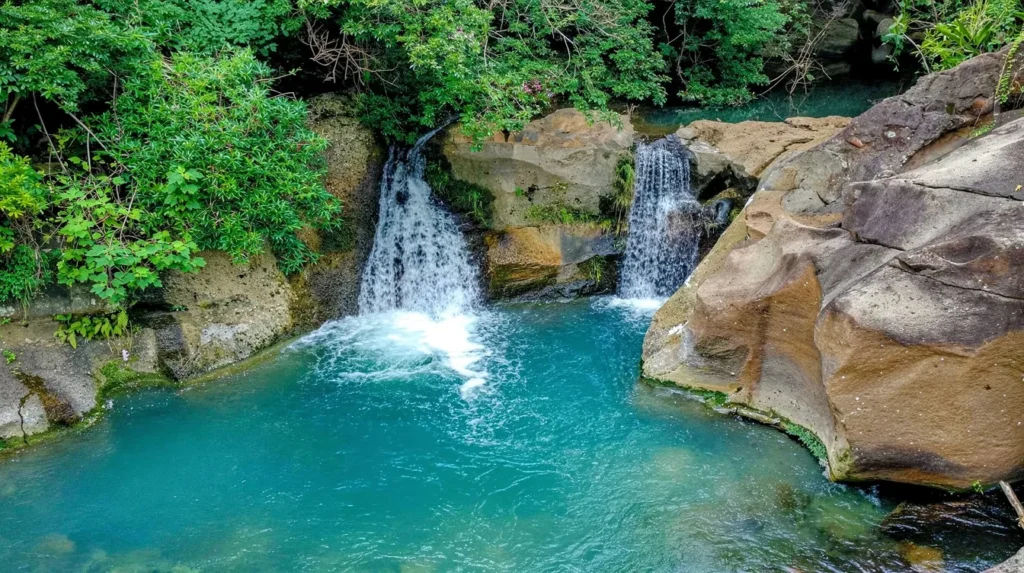
For travelers, Rincón de la Vieja is valuable because it combines volcanic power with adventure and wellness. You can hike through geothermal landscapes, see boiling mud pots, visit waterfalls, soak in hot springs, do mud baths, go horseback riding, and experience a dry forest volcano environment that feels completely different from Arenal.
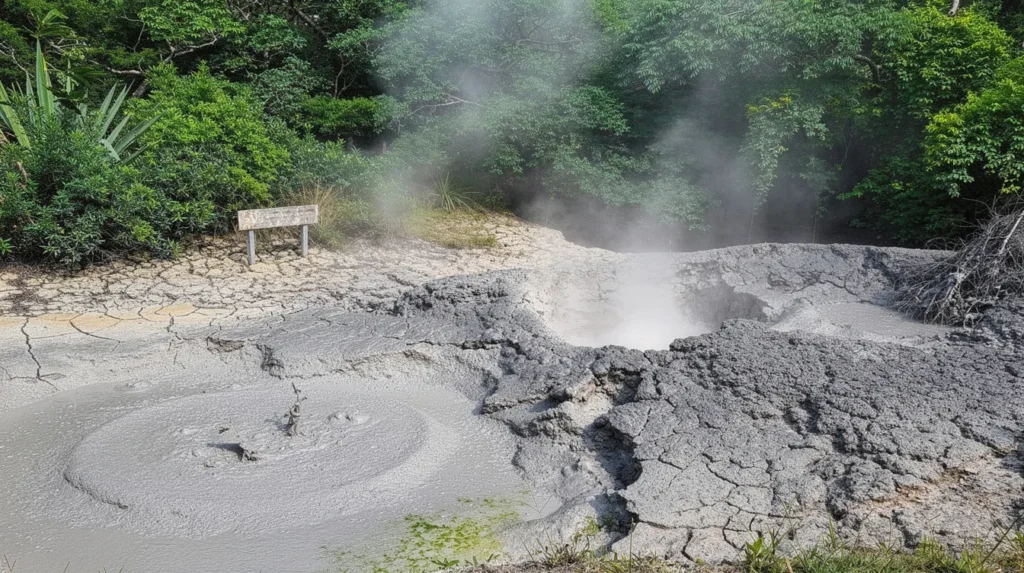
The active crater trail is not the main visitor experience now because access can change with volcanic activity. SINAC’s official information highlights sectors like Las Pailas, where visitors can see volcanic features such as boiling mud, boiling water, and steam.
The Las Pailas Sector is usually the core experience. It is an easy to moderate walk through one of the most fascinating volcanic environments in the country.
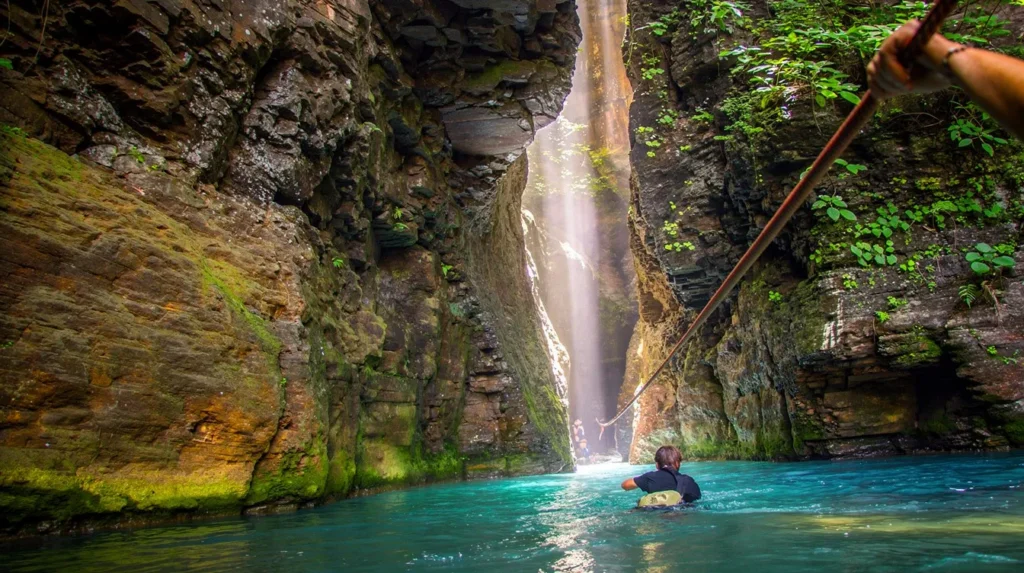
Nearby private properties and adventure lodges, especially Hacienda Guachipelín, add a lot to the region. This area can include waterfalls, blue water rivers, canyoning, zip lines through canyons, horseback riding, hot springs, volcanic mud baths, and adventure activities at the base of the volcano.
Rincón de la Vieja is ideal if you are staying near Liberia, Papagayo, or Guanacaste and want a volcano adventure without transferring all the way to Arenal.
Tenorio Volcano and Río Celeste
Tenorio Volcano is best known because of Río Celeste, one of the most beautiful river experiences in Costa Rica. This is the volcano region you visit when you want blue water, rainforest, waterfalls, and a quieter northern Costa Rica experience.
Tenorio Volcano National Park is located in northern Costa Rica, between Guanacaste and Alajuela. The main attraction is the Río Celeste trail, where visitors can see the famous blue river, waterfall, and the point where mineral-rich waters create the river’s intense color.
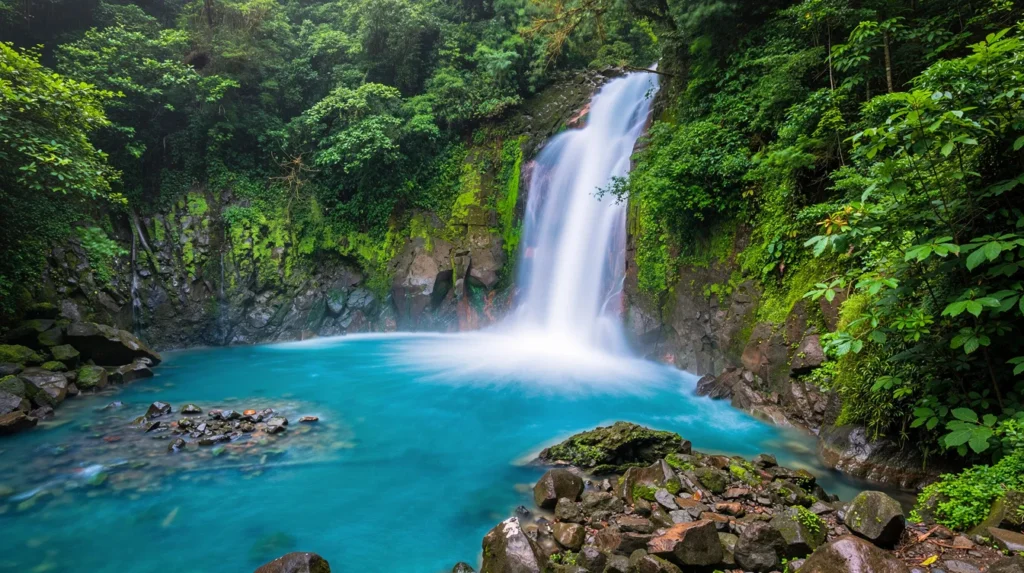
This is not a volcano experience focused on crater views. It is a volcano experience focused on water, minerals, rainforest, and color.
Río Celeste is one of the most photogenic places in Costa Rica, but timing matters. Heavy rain can affect the color and trail conditions, so it is best visited with flexibility and realistic expectations.
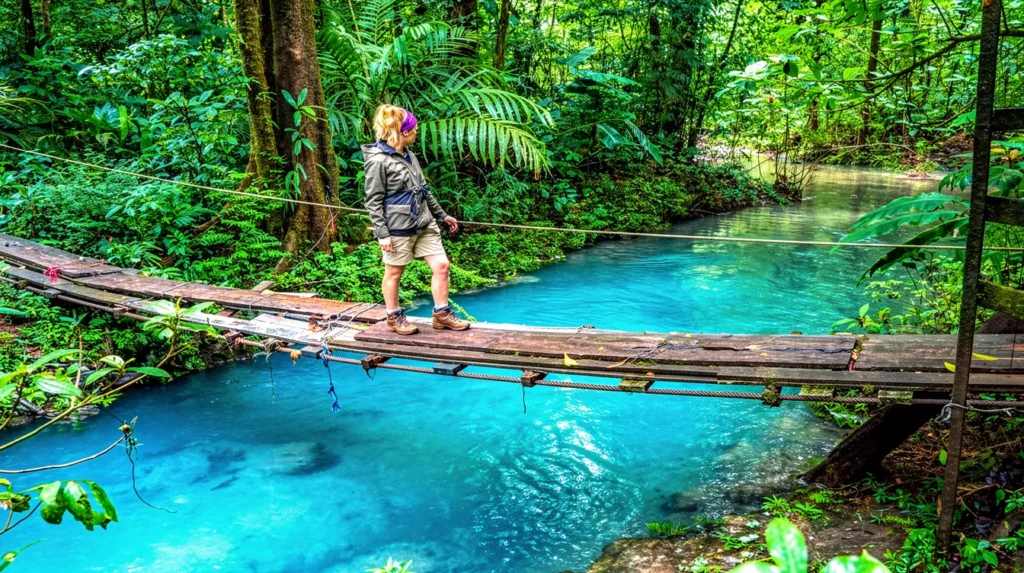
Best things to do near Tenorio:
- Río Celeste waterfall hike
- Tenorio Volcano National Park trail
- Bijagua nature reserves
- Tapir Valley style wildlife experiences
- Blue river swimming areas outside the national park where permitted
- Private guide and photography-focused nature day
Tenorio and Río Celeste are perfect for travelers who want something different from the standard Arenal and Papagayo route.
Turrialba Volcano
Turrialba Volcano is one of Costa Rica’s most powerful and historically important active volcanoes. It is located in Cartago Province, in the eastern section of the Central Volcanic Range, near the town of Turrialba and not far from Irazú Volcano.
Turrialba is a large stratovolcano with three main craters and old lava flows on its flanks. It has shaped the highland landscape, nearby farms, cloud forests, and volcanic soils of the region.
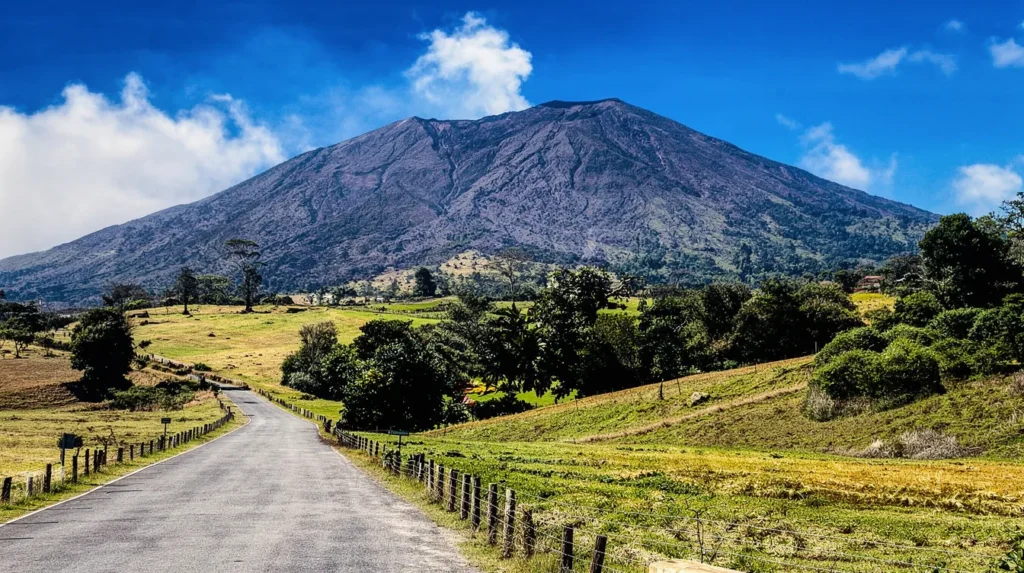
Historically, Turrialba is known for major eruptions in the 19th century and for its modern reactivation after a long quiet period. During the 2010s, ash and gas eruptions affected parts of the Central Valley. Its activity decreased after 2019, but it remains monitored because steam-driven activity and gas emissions can still occur.
Unlike Poás, Turrialba feels more remote, rugged, and atmospheric. The landscape around the volcano is known for cool mountain air, dairy farms, open pastures, cloud forest, views toward the Caribbean slope, and a strong rural Costa Rican identity.
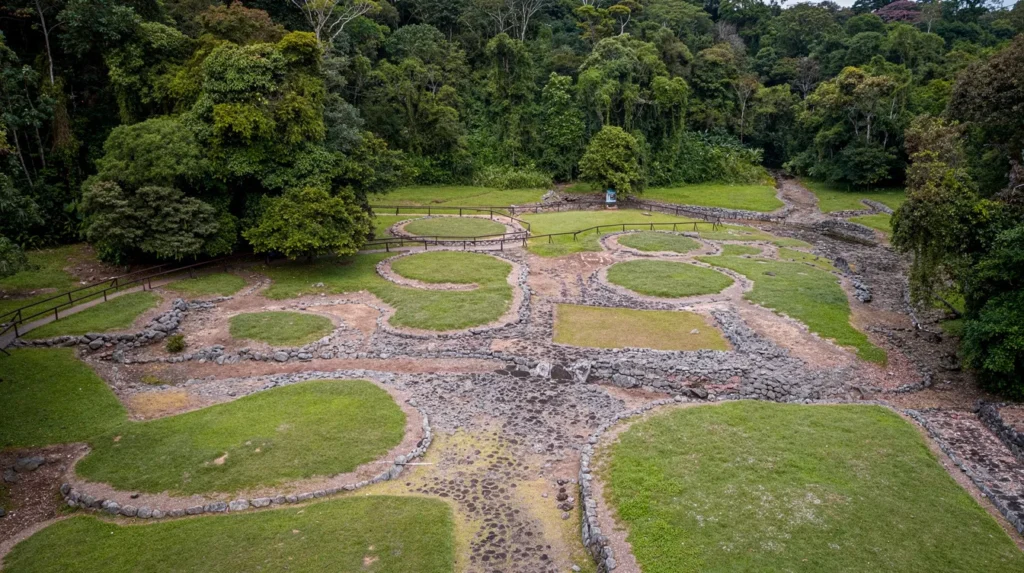
Turrialba is not the easiest or most visited volcano in Costa Rica, and that is part of its appeal. The experience is best suited for travelers who want something quieter and more adventurous: volcanic scenery, crater views when access allows, burned forest, old lava flow landscapes, cool mountain weather, rural food, and highland photography.
A Turrialba visit can also combine beautifully with Guayabo National Monument, Costa Rica’s most important pre-Columbian archaeological site.
This is not the best volcano for first-time visitors who want easy logistics. It is better for travelers who have already seen the classics and want a more atmospheric volcano experience.
Miravalles Volcano
Miravalles is one of Costa Rica’s lesser-known volcanoes, but it is actually very important. It is located in Guanacaste, in the Guanacaste Volcanic Range, near Bagaces, Guayabo, and Fortuna de Bagaces.
Miravalles is not a classic tourism icon like Arenal or Poás. It is quieter, more rural, and more geothermal. It is considered dormant or inactive in the tourist sense, but it still has strong underground heat that creates fumaroles, mud pots, hot springs, and geothermal activity in the surrounding area.
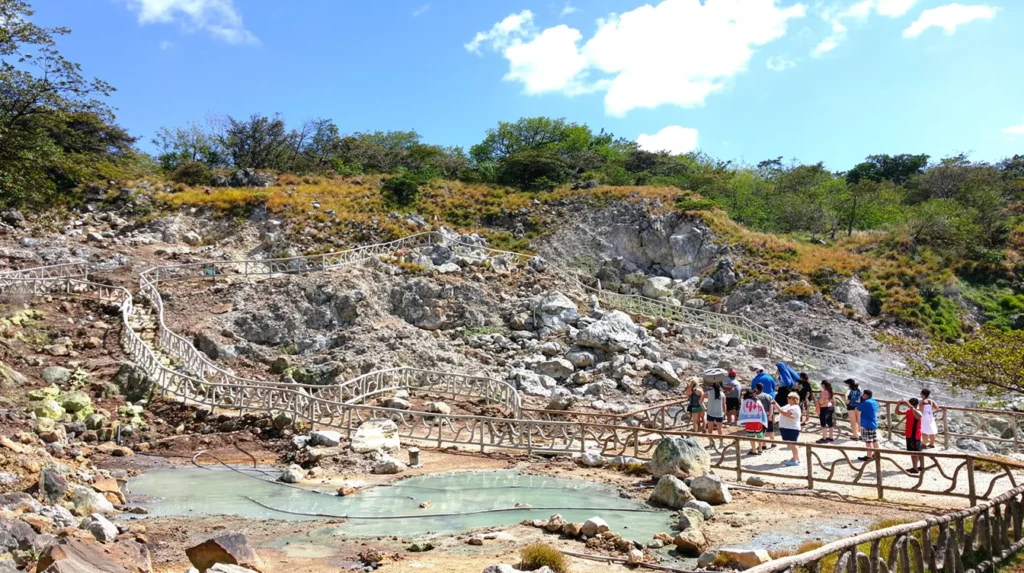
Miravalles is especially important because it is connected to Costa Rica’s renewable energy story. The geothermal activity in this region has been used for electricity production, making the volcano not just scenic, but useful to the country’s clean energy infrastructure.
For tourists, Miravalles is best for:
- Hot springs
- Volcanic mud baths
- Fumaroles
- Nature trails
- Waterfalls
- Hanging bridges
- Horseback riding
- Rural lodges
- A quieter Guanacaste volcano experience
Compared with other volcanoes, Miravalles is more hidden and less crowded. Arenal is the postcard volcano. Poás and Irazú are easy crater visits from the Central Valley. Rincón de la Vieja is adventure, mud pots, waterfalls, and hot springs. Miravalles is a quieter geothermal destination for travelers who want volcanic activity without the crowds.
Which Costa Rica volcano should you visit
- Choose Arenal if you want the best all-around volcano destination with hot springs, rainforest, hotels, and adventure.
- Choose Poás if you want the easiest active crater day trip from San José.
- Choose Irazú if you want a high altitude crater experience near Cartago and San José.
- Choose Rincón de la Vieja if you are in Guanacaste and want geothermal activity, waterfalls, mud baths, and adventure.
- Choose Tenorio if you want Río Celeste, blue water, rainforest, and a quieter nature experience.
- Choose Turrialba if you want something rugged, rural, and less crowded.
- Choose Miravalles if you want hot springs, geothermal landscapes, and a hidden Guanacaste volcano experience.
How to plan a Costa Rica volcano tour
The biggest planning mistake is treating all volcanoes as if they are the same. They are completely different experiences.
- Some volcanoes are crater viewpoints.
- Some are multi-night destinations.
- Some are adventure and hot spring hubs.
- Some are remote, controlled, or condition-dependent.
- Some are best combined with nearby farms, restaurants, waterfalls, or cultural stops.
For most travelers, the best structure is:
Arenal for three nights if you want a full volcano and rainforest destination
Poás or Irazú as a day trip from San José
Rincón de la Vieja as a day trip or overnight from Guanacaste
Tenorio and Río Celeste as a nature day or one-night add-on
Turrialba or Miravalles for a more customized, less common itinerary
Send us a WhatsApp message with your dates and group size, and we will begin planning your perfect vacation.
FAQ
What are the best volcanoes in Costa Rica to visit?
The best volcanoes to visit in Costa Rica are Arenal, Poás, Irazú, Rincón de la Vieja, Tenorio, Turrialba, and Miravalles. Arenal is best for a full volcano destination, while Poás and Irazú are best for easy crater visits from San José.
Which Costa Rica volcano is best for hot springs?
Arenal is the best-known Costa Rica hot springs volcano. Rincón de la Vieja and Miravalles also have hot springs, mud baths, and geothermal activity.
Can you hike Arenal Volcano?
It’s illegal hike to the crater although some people still do it. However you can hike trails around Arenal Volcano National Park and old lava flow areas. The best experience is hiking with volcano views, then visiting hot springs.
Is Poás Volcano worth visiting?
Yes. Poás is one of the easiest active volcanoes to visit from San José and offers a dramatic crater viewpoint. Because it is active, visitors should check current park status before going.
Is Irazú Volcano worth visiting?
Yes, especially if you are staying in San José or Cartago. It is Costa Rica’s highest volcano and offers an easy high-altitude crater experience.
What is the best volcano near Liberia?
Rincón de la Vieja is the best volcano near Liberia for most travelers. It offers geothermal features, waterfalls, mud baths, hot springs, and adventure activities.
Is Río Celeste part of a volcano area?
Yes. Río Celeste is associated with Tenorio Volcano National Park. It is one of the most beautiful blue river and waterfall experiences in Costa Rica.
Which volcano is best for families?
Arenal is usually the best volcano for families because it has hot springs, easy adventure activities, hanging bridges, waterfalls, and many comfortable hotels.
Which Costa Rica volcano is best for a one-day tour from San José?
Poás and Irazú are the best one-day volcano tours from San José. Poás is best for an active crater view, while Irazú is best for high-altitude volcanic scenery.
Are Costa Rica volcanoes safe to visit?
Yes, when visiting official parks and approved areas. Active volcanoes are monitored, and access can close when conditions change. Always follow park rules and current guidance.
Send us a WhatsApp message with your dates and group size, and we will begin planning your perfect vacation.