
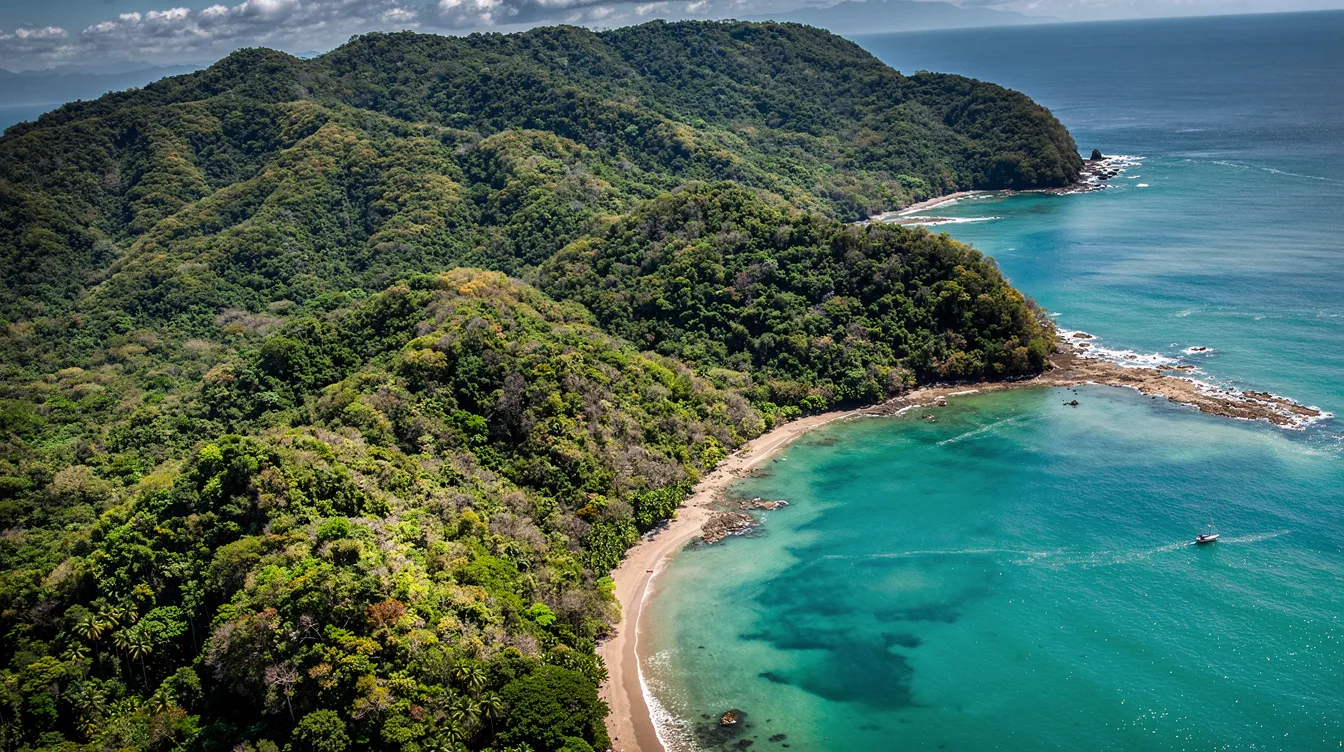
If you are planning a second or third trip and want Costa Rica hidden gems, this guide focuses on places that feel quieter and more authentic than the classic routes. Costa Rica is small but extremely diverse. Tourism naturally concentrates where the roads are easiest and hotel inventory is highest. Tamarindo and La Fortuna are the obvious examples.
These destinations are different. They are lower density, more community driven, and often require better planning. The reward is fewer crowds, more space, and a Costa Rica that feels more local.
What “hidden gems” really means in Costa Rica
Most “off the beaten path Costa Rica” places share one of these traits:
- Access is slower or seasonal, so the crowds thin out
- There are fewer large hotels, so the vibe stays quieter
- They are popular with locals and repeat visitors, but less marketed internationally
For full concierge support, see our inquiry page.
Samara and Playa Carrillo, a relaxed beach town with a real community
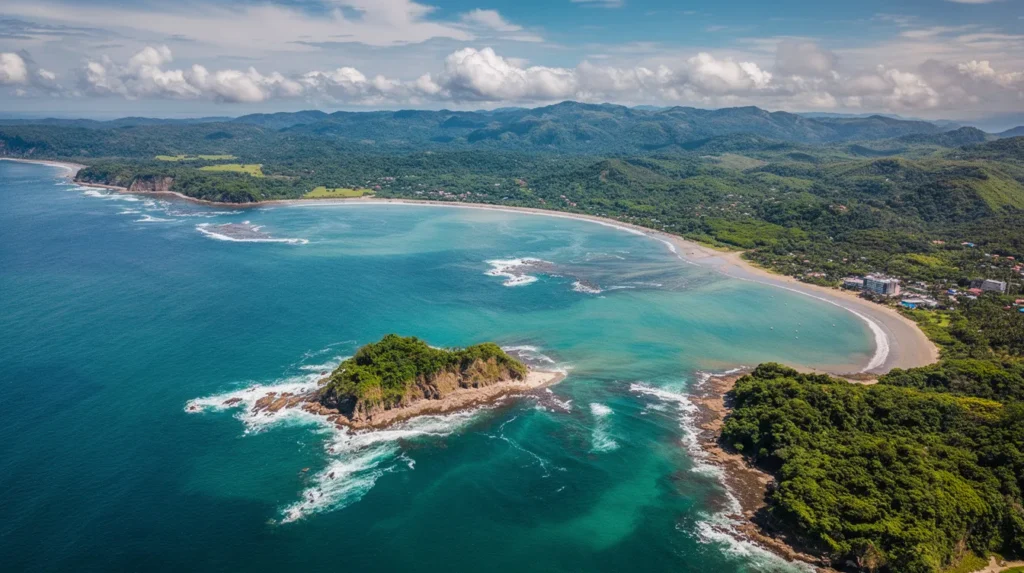
Samara is one of the best quiet beach towns in Costa Rica if you want a soft, beach life rhythm without the intensity of the biggest tourism hubs. It is developing, but it still feels like a small town. It has a strong Costa Rican base, plus a visible European presence, especially French and Italian, which gives the town a distinctive restaurant and community mix.
Why it works for repeat travelers:
- Samara is social and walkable, but not chaotic
- Playa Carrillo nearby is a classic “locals beach” with calmer water and fewer services, so you bring what you need and enjoy the simplicity
- You can position Samara as a base and branch out to beaches and towns along the Nicoya coast, including Nosara, which is roughly a short drive away for a day trip
Practical planning tip
Carrillo is quieter because it has fewer amenities on the beach itself. Plan it like a beach picnic day.
Montezuma, small town charm with waterfalls and a slower pace than Santa Teresa
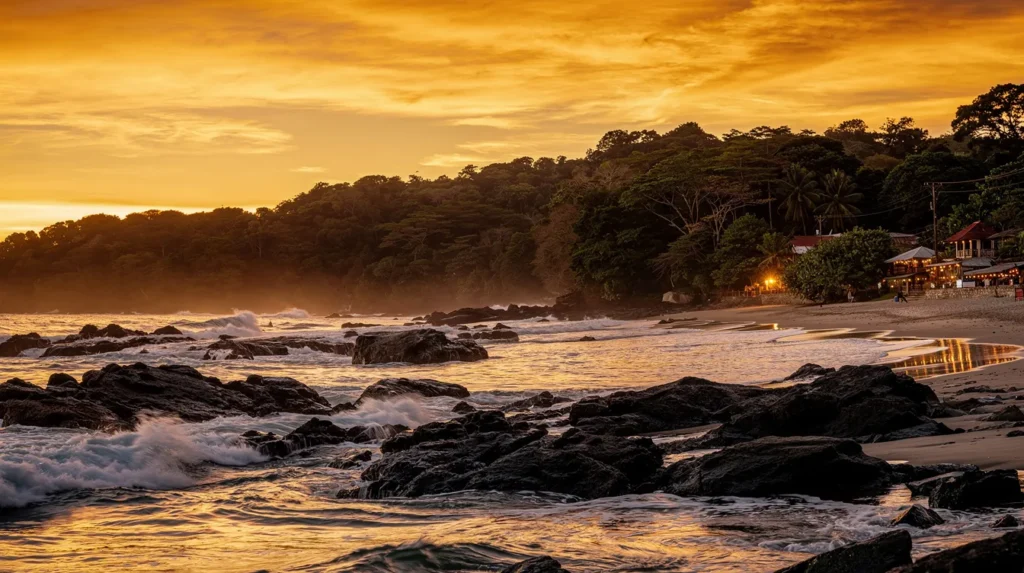
Montezuma sits in the Nicoya travel world near the Santa Teresa zone, but the vibe is typically more relaxed and personal. It is a strong choice for travelers who want a walkable town, nature close by, and beach days that feel unhurried.
What makes Montezuma worth it:
Waterfall days are a real highlight here, not an afterthought
You can do simple routines well, beach, coffee, sunset, repeat
It feels creative and local without needing nightlife to carry the trip
Getting here is part of the experience. Many routes involve a ferry via Paquera plus peninsula roads, and some final stretches can be rough and unpaved depending on route and conditions.
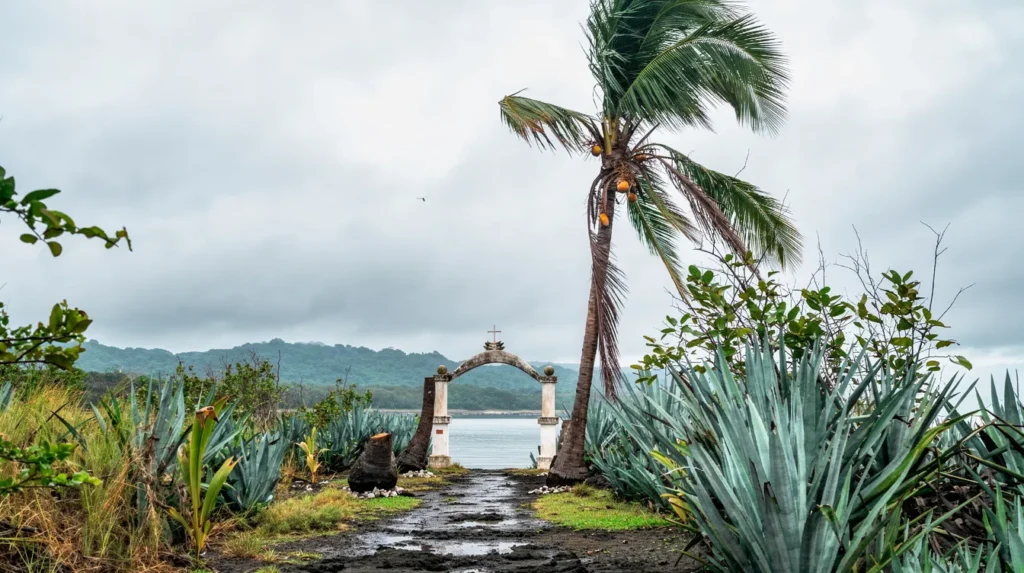
Cabuya side trip, the island indigenous cemetery
Just south of Montezuma, Cabuya is known for Isla Cementerio, an island cemetery you can reach at low tide. It is a unique cultural stop that feels very different from the standard tourist circuit.
Uvita and Dominical, jungle beaches and Marino Ballena National Park
Uvita and Dominical are less touristy Costa Rica destinations that blend rainforest hills with wide Pacific beaches. The pace is calmer than the party hubs, but you still have enough restaurants, cafes, and guides to build full days comfortably.
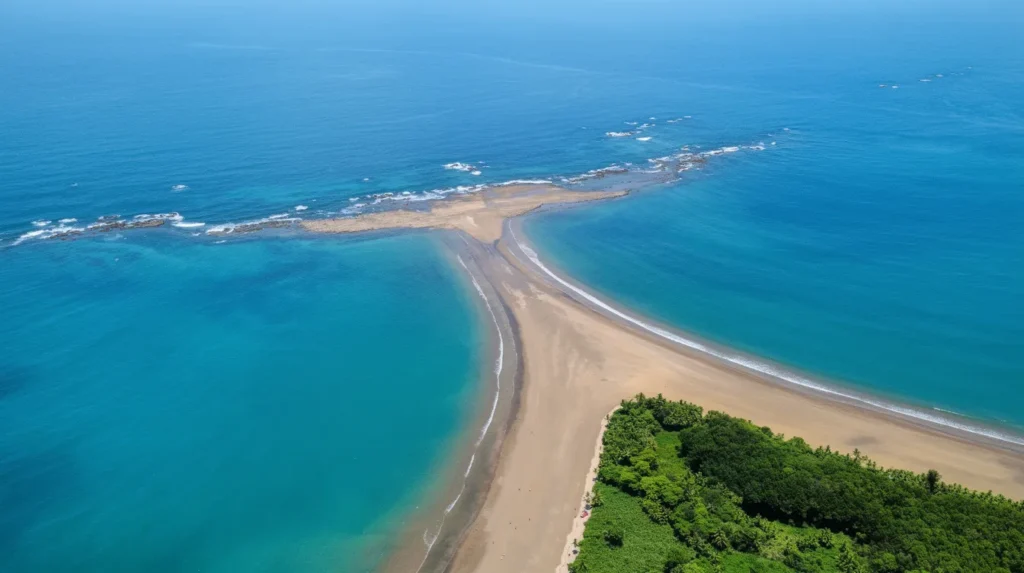
The anchor experience is Marino Ballena National Park. The famous Whale Tail formation is a sandbar feature that appears at low tide, so the visit needs tide timing.
Why this zone works for a second trip:
Beach plus rainforest in one place
Easy access to waterfalls, viewpoints, and nature days
A calm base that pairs well with Osa Peninsula planning
Playa Coyote, a true “low density” Nicoya beach escape
Playa Coyote is a hidden gem for travelers who want fewer people and a more rustic coastline. This is not a place you pick for convenience. It is a place you pick for space, silence, and long beach days.
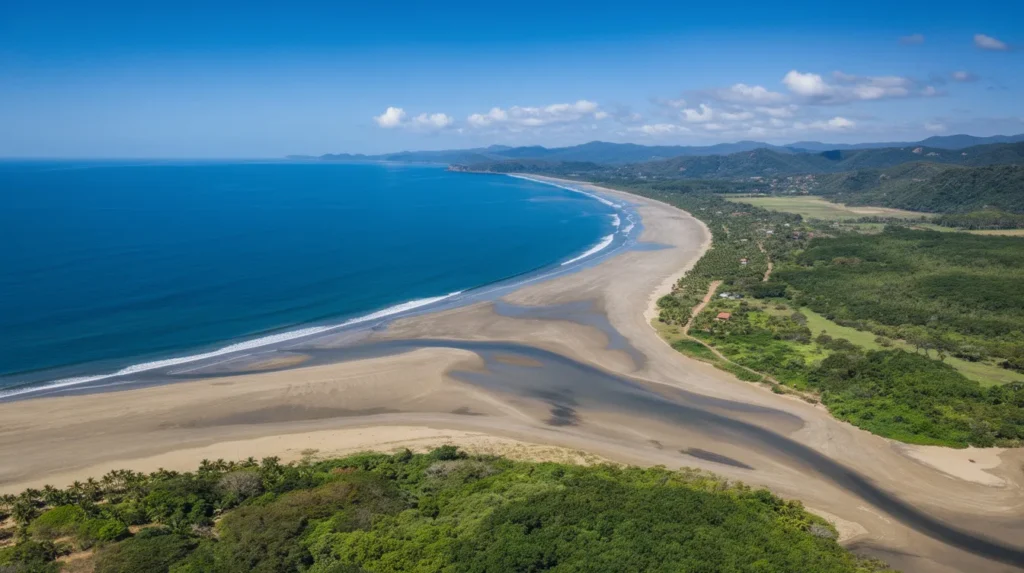
What to expect:
Fewer restaurants and fewer tours compared to the main hubs
More self contained days, groceries and supplies matter
A beach zone that feels wild and underbuilt
Road reality is the main planning factor. In dry season, access is easier. In rainy season, some sections can become difficult even with a 4WD, so you plan conservatively and avoid tight transfer windows.
Drake Bay, remote Osa Peninsula energy with Corcovado access
Drake Bay is for travelers who want an expedition style Costa Rica. It is remote, wild, and built around nature experiences. This is where you go when you are comfortable being far from major town infrastructure in exchange for immersion.
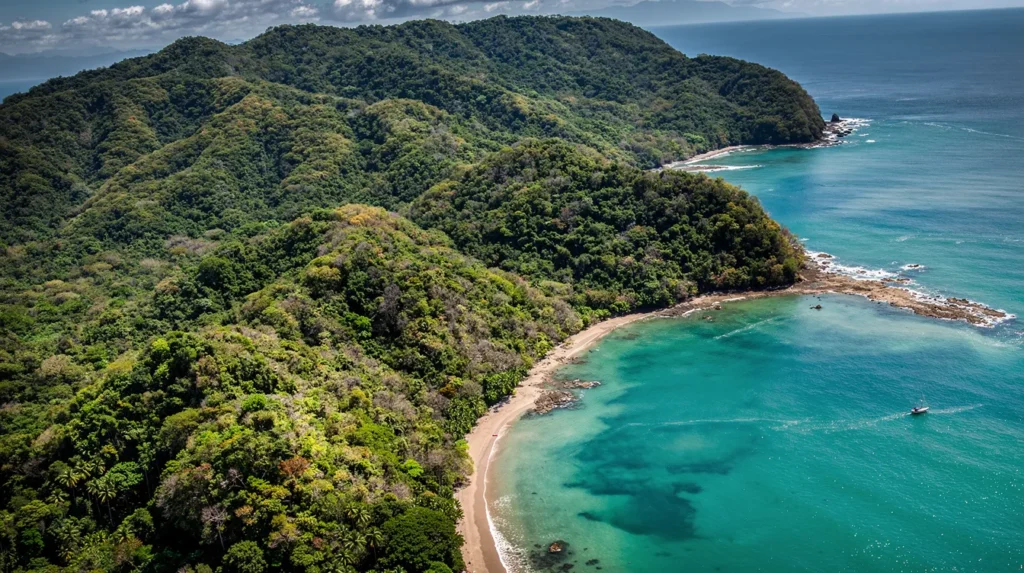
What makes Drake Bay different:
Secluded beaches and a slower rhythm
Serious wildlife potential across the Osa region
Days organized around boats, guides, and nature timing
The two signature day plans from Drake Bay are Corcovado National Park and Isla del Caño.
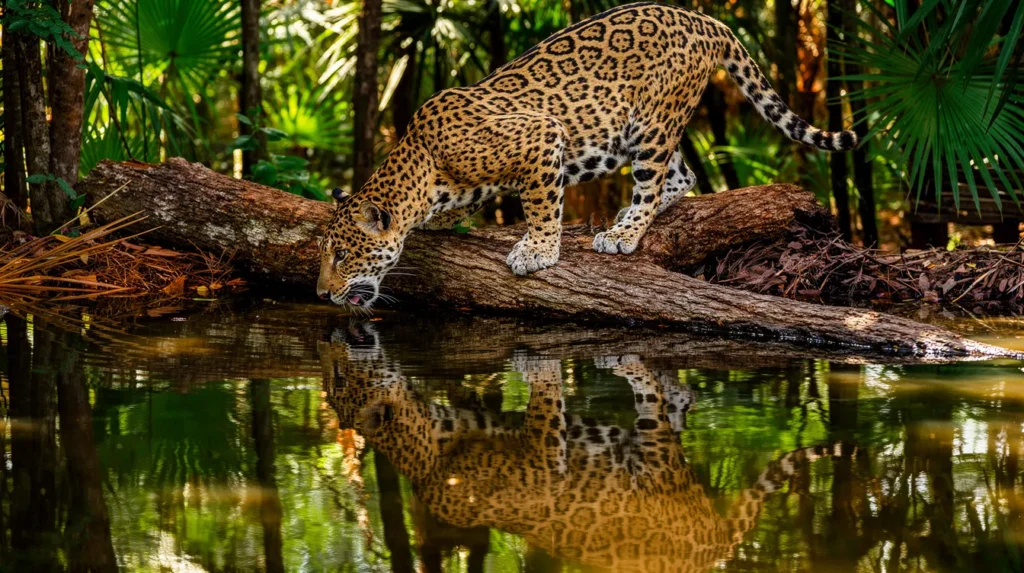
Corcovado is the headline. It protects a massive block of primary rainforest on the Osa Peninsula and is known for wildlife that is harder to see in more developed parts of the country, including Baird’s tapirs and multiple wild cat species, including jaguar presence, plus scarlet macaws and all four Costa Rican monkey species.
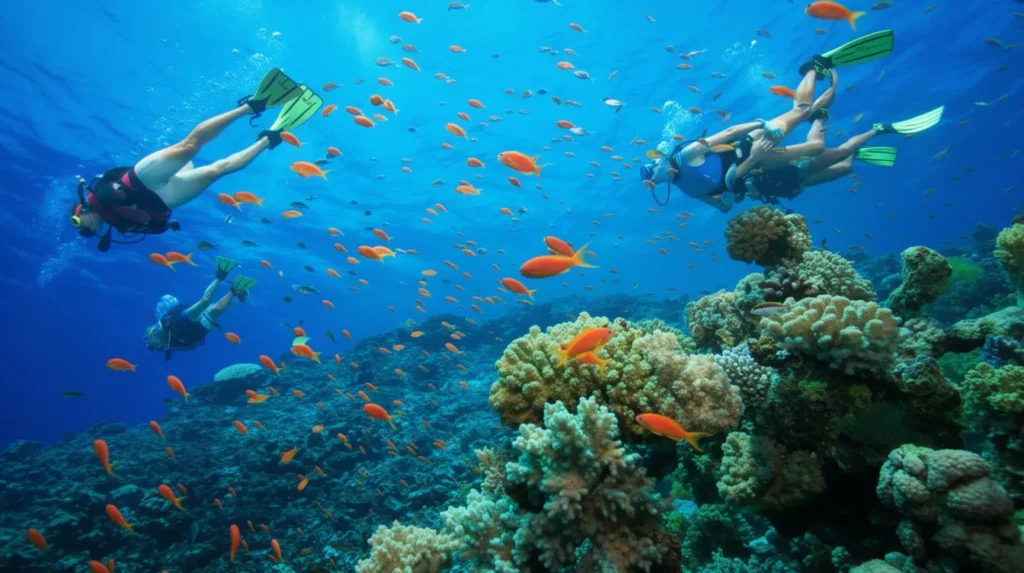
Isla del Caño is the ocean day. It is a protected biological reserve with one of the most extensive and healthiest coral formations on Costa Rica’s Pacific coast, and it is widely chosen for snorkeling and scuba diving thanks to clear water and marine life.
Because everything in this region is water and rainforest, boats are part of the rhythm. Many itineraries mix ocean crossings, river corridors, and coastal runs, with stops that can include fishing days, dolphin and whale sightings in season, and mangrove ecosystems closer to the mainland that are dense with birds and reptiles.
There is also a real human history layer here. The wider Southern Pacific is home to pre Columbian archaeological heritage, including the famous stone spheres found in the Diquís region and on Isla del Caño.
And like much of Costa Rica’s Pacific, the Osa coast comes with pirate lore. The most famous legend is the Treasure of Lima, a story of wealth removed from Lima in 1820 and allegedly buried on Costa Rica’s Cocos Island far offshore, which has fueled treasure hunting myths for generations.
San Gerardo de Dota, cloud forest calm and quetzal country
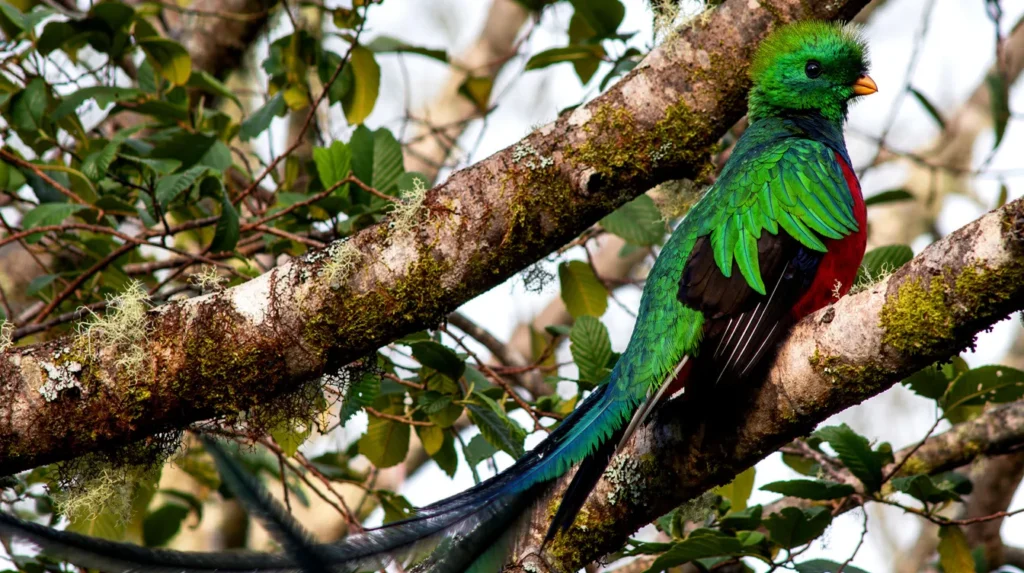
San Gerardo de Dota is one of the most rewarding ecosystem swap stops in Costa Rica. It is cooler, greener, and quieter than the coast, tucked into the Río Savegre valley and bordering Los Quetzales National Park at around 2,200 meters above sea level. This is the type of place you choose when you want silence, fresh air, and a version of Costa Rica that feels deeply local.
The town texture matters here. Dota is small, rural, and community driven. Lodges sit along the river and up the valley, and the daily rhythm is early mornings, cloud forest walks, and warm meals back at the lodge. The air feels crisp, nights are cool, and you will want a light jacket even when the rest of the country is hot.
Things to do that make Dota worth the drive:
Quetzal spotting and high elevation birding, one of the most reliable zones in the country for it
Los Quetzales National Park trails, with true high elevation forest and misty scenery
Río Savegre walks and riverside calm, with short hikes that feel cinematic
Trout culture, including trout meals and trout fishing that are part of the valley’s identity
Coffee and mountain agriculture add ons in the broader Los Santos region if you want a deeper cultural layer
This is one of the best stops to place after beach time because the contrast is immediate. You go from salt air and heat to mountain mist and quiet forest.
Bijagua and Río Celeste, the blue river zone done right
Bijagua is a rural base that makes Tenorio Volcano National Park and Río Celeste practical without feeling overly built. It is a quieter region where agriculture and nature reserves still dominate the landscape, and it is ideal for travelers who want rainforest, rivers, and waterfalls without the crowd energy of the main hubs.
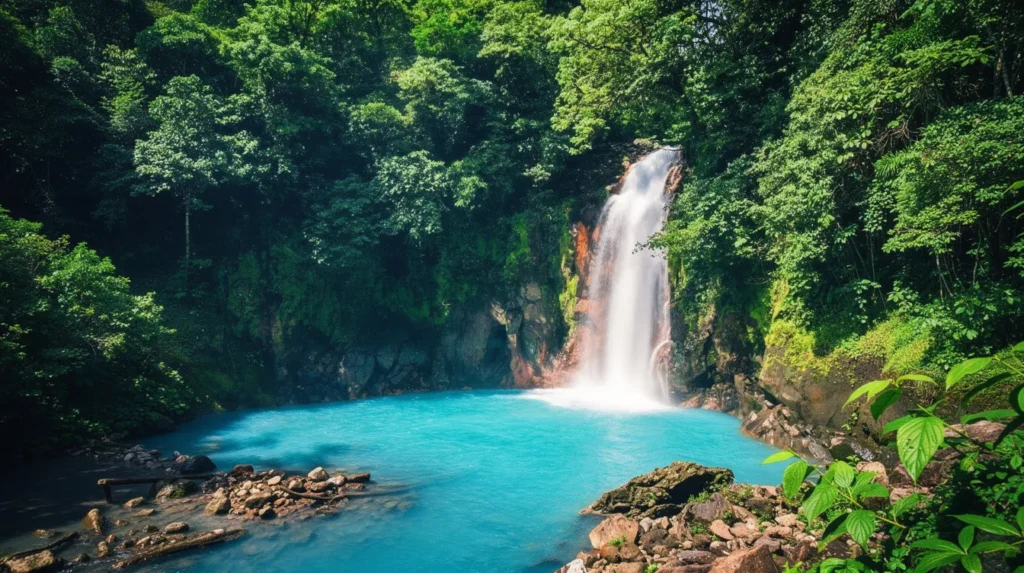
Río Celeste is the headline, but timing is what makes it feel special. Heavy rain can affect clarity and color, so weather and early starts matter. A higher comfort plan usually means staying close enough to start early, doing the park trail, then pairing it with a second, quieter nature experience in the afternoon.
More things to do in the Bijagua zone:
Private reserves and guided nature walks that can be excellent for birding and wildlife
Tubing style river experiences that show the Río Celeste system beyond the main waterfall trail
Additional waterfalls and swim spots in private ecological areas, often far less crowded than the main park
Cacao and farm experiences that fit naturally here because the region is still rural and agricultural
Bijagua is also a strong connector destination. It can fit between Guanacaste beaches, Arenal, and the northern interior depending on your route.
Puerto Viejo, Afro-Caribbean culture and a different Costa Rica
Puerto Viejo is a second trip classic because it feels culturally distinct from the Pacific. The music, food, and town energy are different, and the Caribbean coastline has its own rhythm across the Puerto Viejo, Cahuita, and Manzanillo corridor.
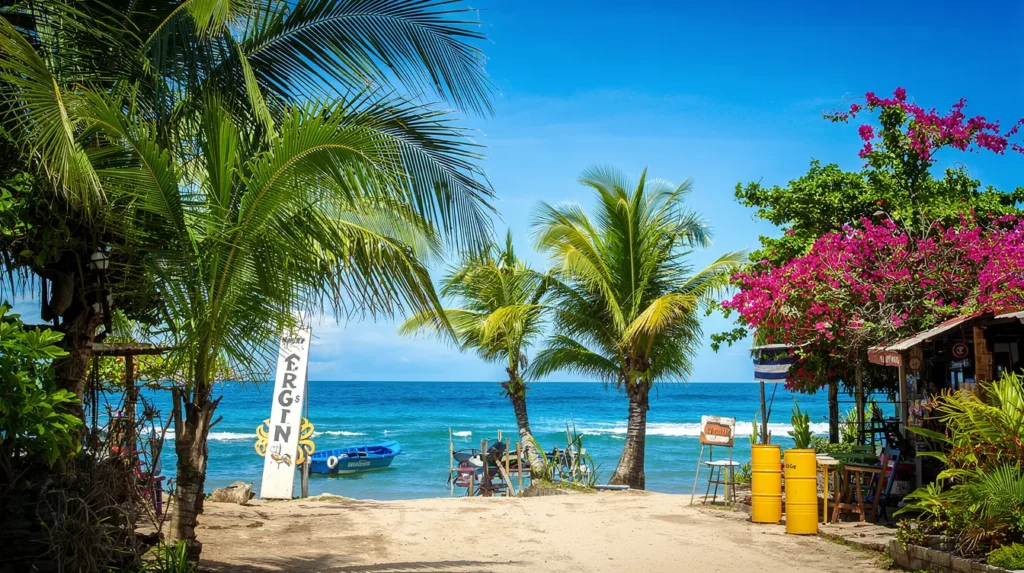
This is where Costa Rica gets more Caribbean in flavor. Expect reggae and calypso influence, Afro-Caribbean culture, and a slower beach town pace.
Things to do that make Puerto Viejo worth it:
Cahuita National Park, often paired with coastal hiking and snorkeling days that can include coral reef zones
Gandoca Manzanillo Wildlife Refuge for a wilder, less developed stretch of rainforest and beach
Bribri cacao and indigenous cultural experiences, which are some of the most meaningful add ons on the Caribbean side
Beach hopping between small communities rather than staying in one place, because the corridor has multiple distinct beach vibes
Puerto Viejo is not about rushing. It is about atmosphere, culture, and warm Caribbean water with rainforest close to the shoreline.
How to plan a hidden gems itinerary without wasting time
Hidden gem trips fail when people try to cover too many remote zones in one itinerary. A cleaner structure:
Pick one quiet beach town base
Add one cloud forest or mountain base
Add one remote wildlife base only if you can commit the time and the logistics
A simple example that works:
Sámara for easy beach life
Dota for cool cloud forest contrast
Drake Bay for a remote nature finish
To request a plan, use our contact page.
Send dates, group size, and budget. We will reply with a curated plan and a clear next step.
FAQ
What are the best Costa Rica hidden gems for a second trip
Sámara and Carrillo for relaxed beach life, Playa Coyote for low density coastline, Montezuma for waterfalls and small town pace, Uvita and Dominical for jungle beaches, Dota for cloud forest, Bijagua for Río Celeste, and Drake Bay for remote nature.
What does “off the beaten path Costa Rica” usually involve
Longer transfers, fewer services, and more importance on planning lodging, road conditions, and timing.
Which quiet beach towns in Costa Rica are best for a relaxed pace
Sámara is one of the easiest choices for a calm beach town that still has enough restaurants and comfort, with Carrillo nearby for quieter beach days.
Is Drake Bay worth it if I want less touristy Costa Rica destinations
Yes, if you want remote nature and you can commit to the logistics. The boat from Sierpe is a common access route and schedules matter.
How do you avoid crowds at Marino Ballena’s Whale Tail
Plan around low tide. The Whale Tail is tide dependent, so checking tide charts is the difference between seeing it and missing it.
Where should I stay for Río Celeste
Bijagua is the most practical base. If you want higher comfort, choose a lodge style stay close to Tenorio so early starts are easy.
Is Monteverde a hidden gem
Not really, but it can still fit a second trip because it delivers a cooler climate and cloud forest atmosphere in a small town setting.
Send dates, group size, and budget. We will reply with a curated plan and a clear next step.