
Costa Rica is one of the best countries in the world for wildlife viewing. For a small country, it has an extraordinary concentration of rainforest, cloud forest, dry forest, wetlands, mangroves, beaches, rivers, and protected areas, which is why travelers come here to see sloths, monkeys, toucans, macaws, frogs, turtles, tapirs, and hundreds of bird species.
This guide is for travelers who want real answers. What animals can you realistically see in Costa Rica? Where should you go? Which national parks are best for wildlife? When do you need a naturalist guide? And how do you plan the route so you are in the right ecosystems instead of spending the trip stuck in transfers?
Costa Rica is also one of the easiest places in the world to experience tropical wildlife comfortably. Some of the richest ecosystems are protected through national parks, private reserves, lodges, and guided trails, which means travelers can access serious nature without always needing an expedition-style trip.
If wildlife is a priority, the key is simple: choose the right region, use the right guide, and visit at the right time of day.
Quick answer: what wildlife can you see in Costa Rica?
Costa Rica is one of the best countries in the world for wildlife viewing. Visitors can realistically see sloths, howler monkeys, white-faced capuchins, toucans, scarlet macaws, coatis, iguanas, frogs, butterflies, sea turtles, crocodiles, caimans, and hundreds of bird species.
Rarer animals like tapirs, ocelots, pumas, and jaguars exist, especially in large rainforest areas like Corcovado and the Osa Peninsula, but sightings are much less common. They should be treated as possible, not expected.
For first-time visitors, the easiest wildlife destinations are usually La Fortuna and Arenal, Manuel Antonio, Tortuguero, and parts of the Caribbean and Central Pacific. For serious rainforest wildlife, Corcovado is the strongest choice. For birdwatching, Monteverde and Sarapiquí are two of the most important regions.
Costa Rica wildlife at a glance
| Wildlife | Best places to see it |
|---|---|
| Sloths | La Fortuna, Manuel Antonio, Caribbean coast, Sarapiquí |
| Howler monkeys | Guanacaste, Arenal, Manuel Antonio, many forested areas |
| Capuchin monkeys | Manuel Antonio, Central Pacific, Osa Peninsula |
| Scarlet macaws | Carara, Manuel Antonio region, Osa Peninsula |
| Toucans | La Fortuna, Sarapiquí, Caribbean side, Monteverde |
| Sea turtles | Tortuguero, Ostional, Marino Ballena depending on season |
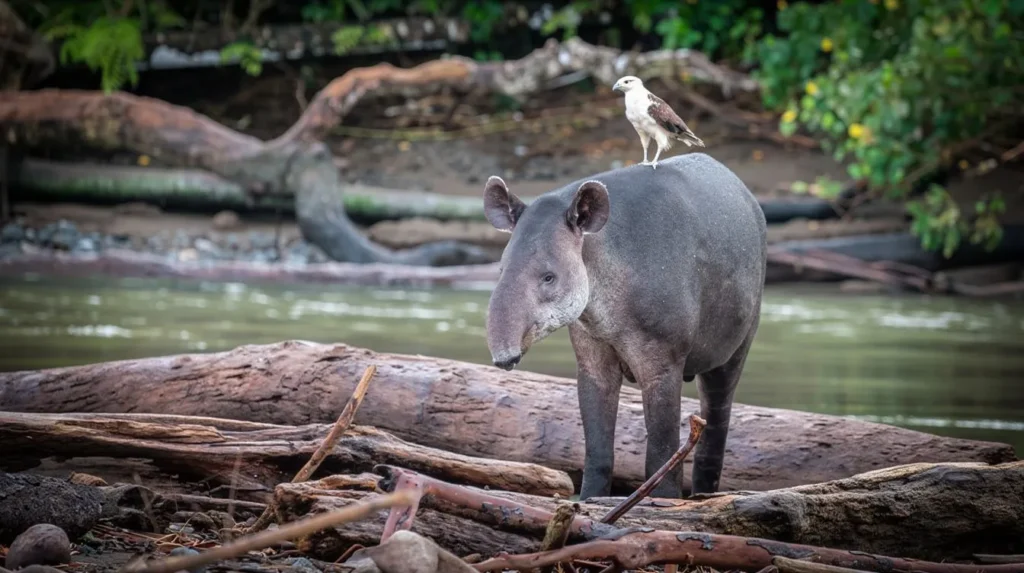
| Tapirs | Corcovado and Osa Peninsula |
| Frogs | La Fortuna, Sarapiquí, Tortuguero, night walks |
| Crocodiles and caimans | Tárcoles River, Tortuguero, wetlands, river systems |
| Hummingbirds | Monteverde, cloud forest areas, highlands, gardens |
Costa Rica rainforest animals
Costa Rica rainforest animals are one of the main reasons travelers choose the country. The wildlife is not limited to one park or one region. Different animals live in different ecosystems, and the best wildlife route depends on what you want to see.
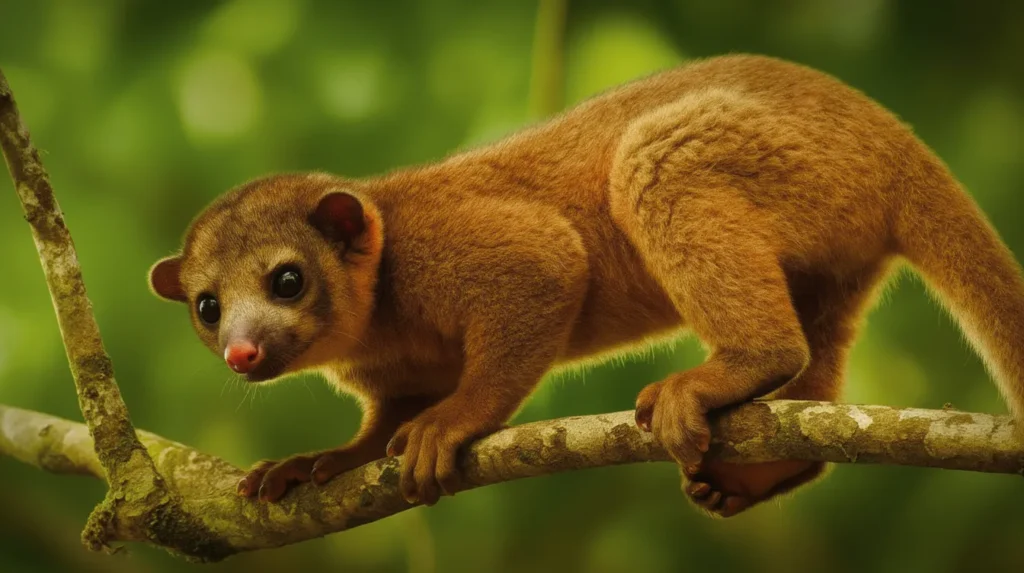
If you want sloths and toucans with good hotels and easy logistics, La Fortuna is a strong choice. If you want monkeys and sloths in a compact park near the beach, Manuel Antonio is one of the easiest. If you want turtles and canal wildlife, Tortuguero is the classic Caribbean choice. If you want the deepest rainforest and the highest chance at rare mammals, Corcovado is the destination.
The important thing to understand is that rainforest wildlife is often hidden. Animals may be high in the canopy, camouflaged on leaves, moving quietly in dense vegetation, or active only at certain times of day. A rainforest can be full of life and still feel quiet if you do not know what to look for.
That is why Costa Rica wildlife viewing is not just about choosing a park. It is about timing, ecosystem, guide quality, and realistic expectations.
Animals of the Costa Rican rainforest
Sloths
Sloths are one of the most searched-for animals in Costa Rica, and they are realistic to see in the right places. The best regions include La Fortuna, Manuel Antonio, the Caribbean coast, and Sarapiquí.
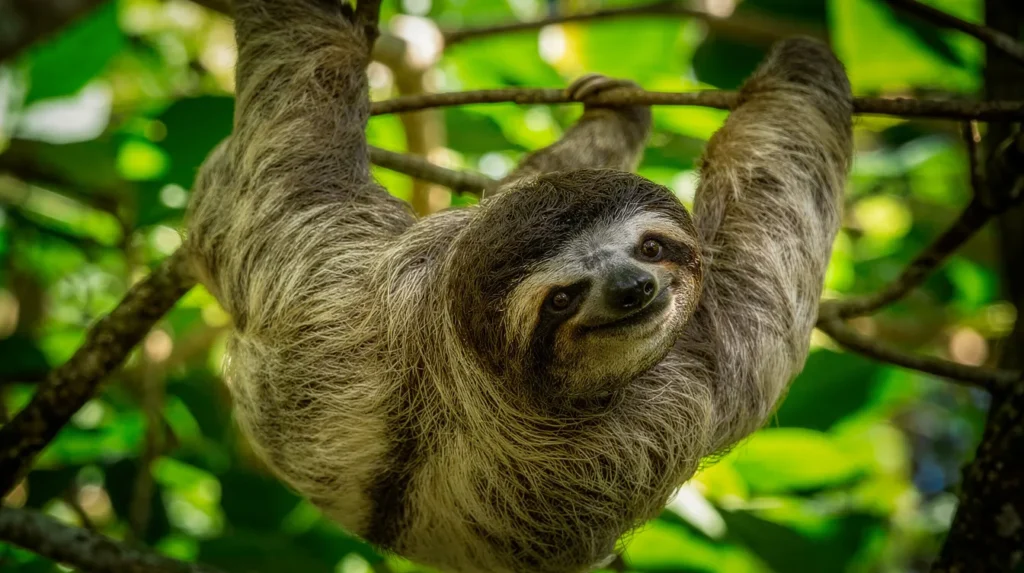
Sloths are often seen in forest edges, secondary forest, hotel grounds, and areas where trees connect between natural habitat and town environments. They are not always deep in the jungle. Sometimes the best sightings happen near roads, trails, gardens, or open areas where guides know which trees they use.
A naturalist guide helps a lot because sloths can be surprisingly difficult to spot. They often look like dark shapes in the canopy until someone points them out with a scope.
Monkeys
Costa Rica has several monkey species, and monkey sightings are realistic in many regions.
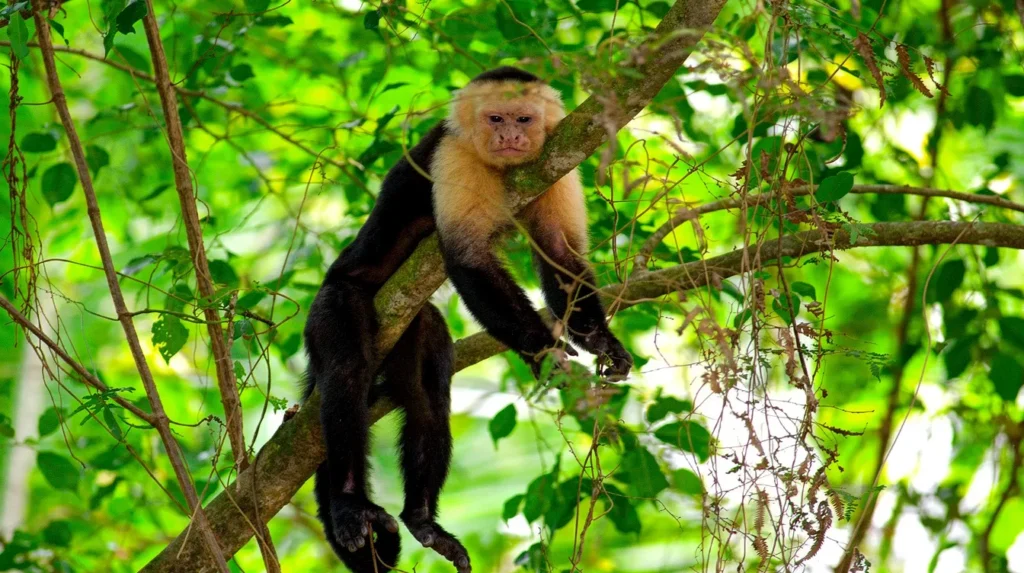
Howler monkeys are common in Guanacaste, Arenal, the Caribbean, and many forested areas. They are often heard before they are seen because their calls can travel far through the forest.
White-faced capuchin monkeys are especially common in Manuel Antonio and the Central Pacific. They are intelligent, active, and easy to recognize, but visitors should never feed them or leave food exposed.
Spider monkeys and squirrel monkeys are more region-specific. Squirrel monkeys are especially associated with the Central and South Pacific, including the Manuel Antonio region. Spider monkeys are more likely in larger forest areas, including the Osa Peninsula and some Caribbean lowland forests.
Toucans and macaws
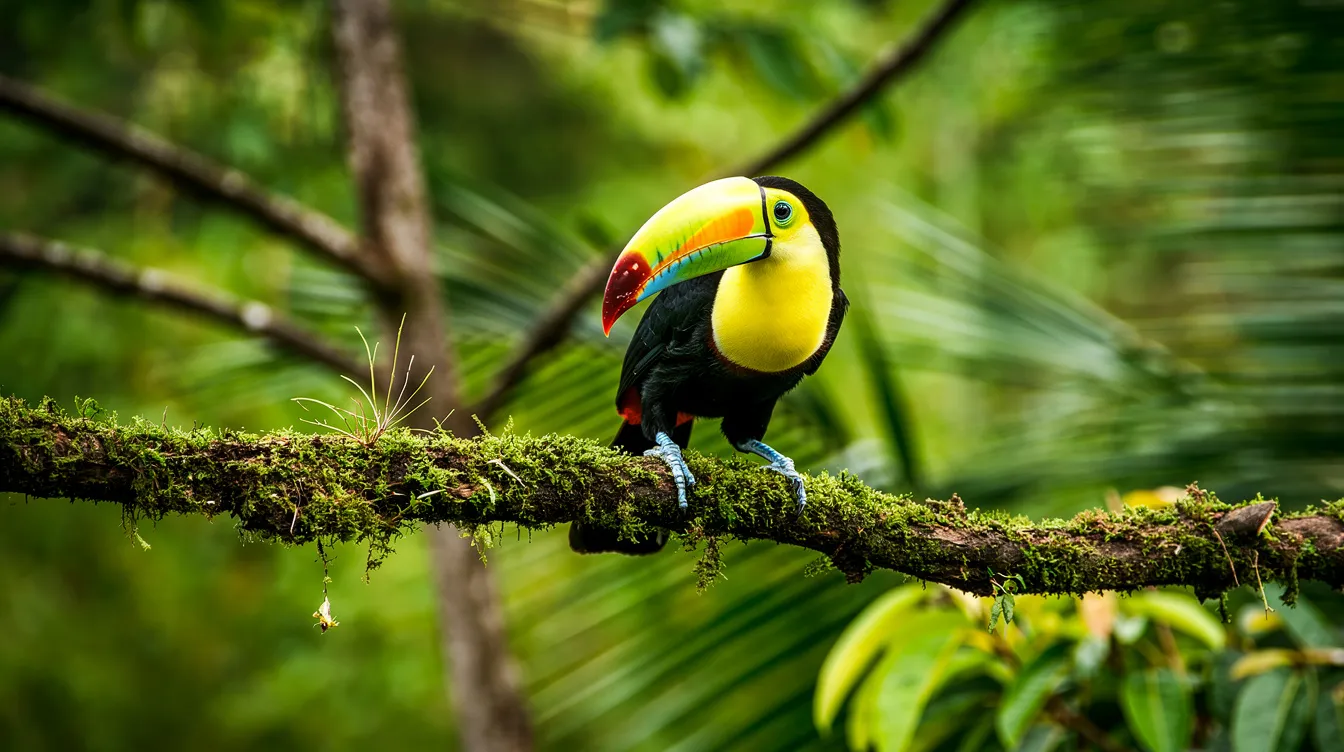
Toucans are among the most iconic birds in Costa Rica and can be seen in regions such as La Fortuna, Sarapiquí, the Caribbean side, and some cloud forest or foothill areas. They are often easier to hear than to see, but a guide with a scope can turn a distant bird into a memorable sighting.
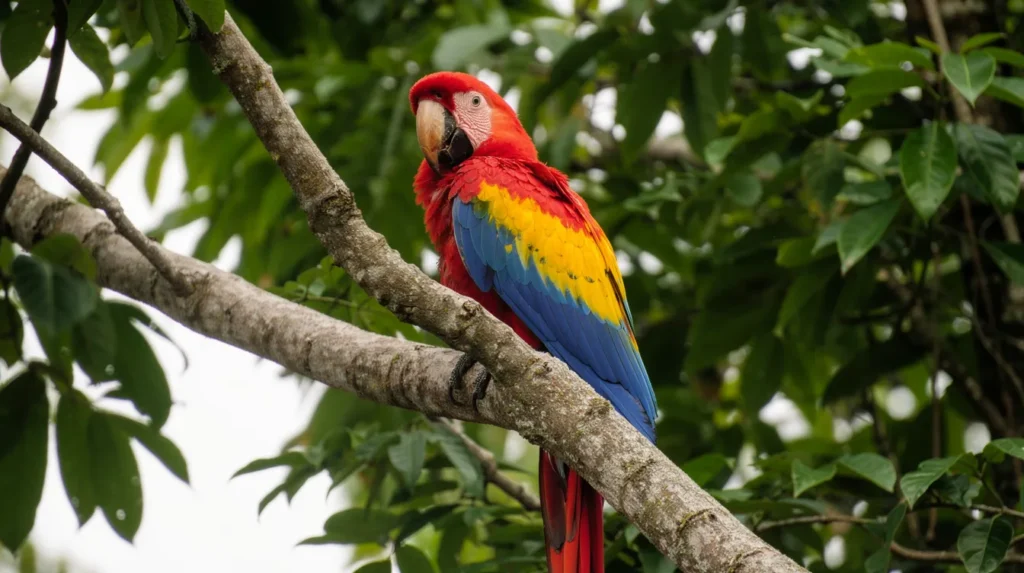
Scarlet macaws are one of Costa Rica’s most spectacular wildlife sightings. They are especially associated with the Central Pacific, South Pacific, Carara area, Manuel Antonio region, and Osa Peninsula. Seeing macaws flying over the forest or beach is one of the classic Costa Rica wildlife moments.
Birdwatchers should also pay attention to hummingbirds, motmots, trogons, tanagers, kingfishers, herons, raptors, and the resplendent quetzal in cloud forest regions like Monteverde and San Gerardo de Dota.
Frogs, snakes, and reptiles
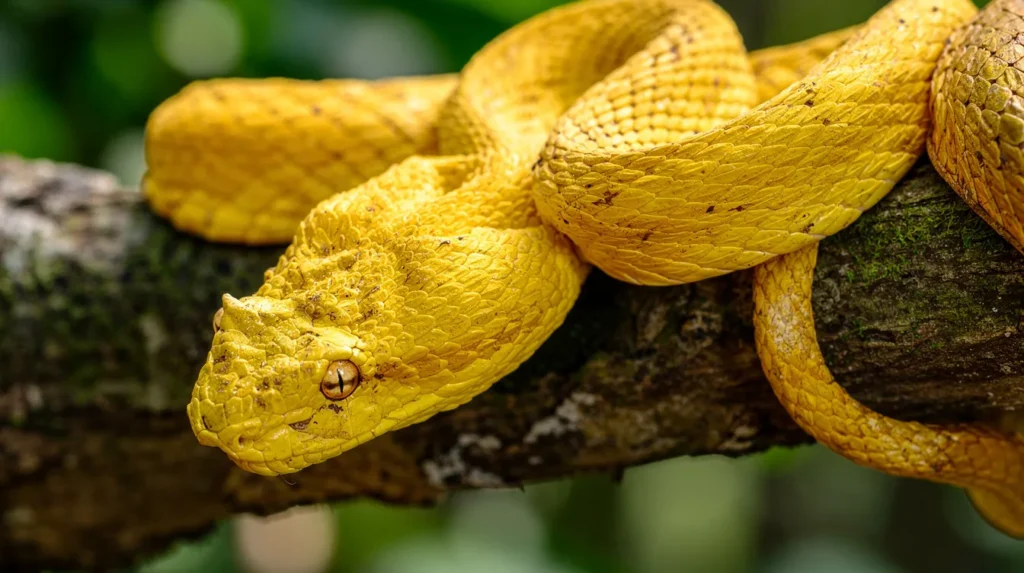
Costa Rica is excellent for frogs, reptiles, and small rainforest species. Red-eyed tree frogs, poison dart frogs, glass frogs, basilisks, iguanas, geckos, lizards, and many snake species live in different parts of the country.
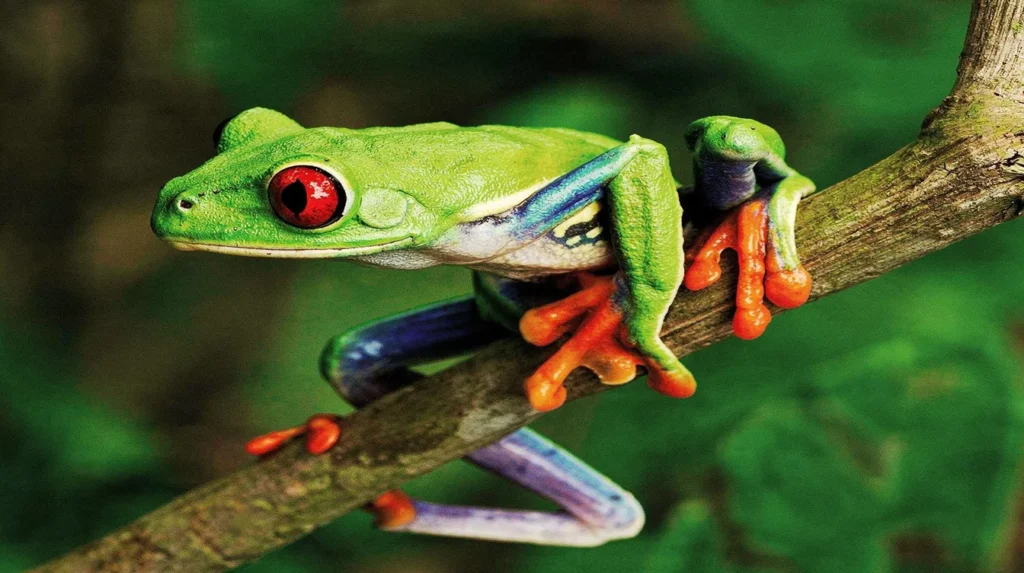
These animals are often easier to see on night walks than during the day. A guided night walk in La Fortuna, Sarapiquí, Monteverde, Tortuguero, or the Osa Peninsula can reveal a completely different side of the forest.
Snakes do exist in Costa Rica, but most travelers do not see many unless they are specifically looking with a guide. The best approach is simple: stay on trails, watch where you step, do not touch animals, and follow guide instructions.
Tapirs and wild cats
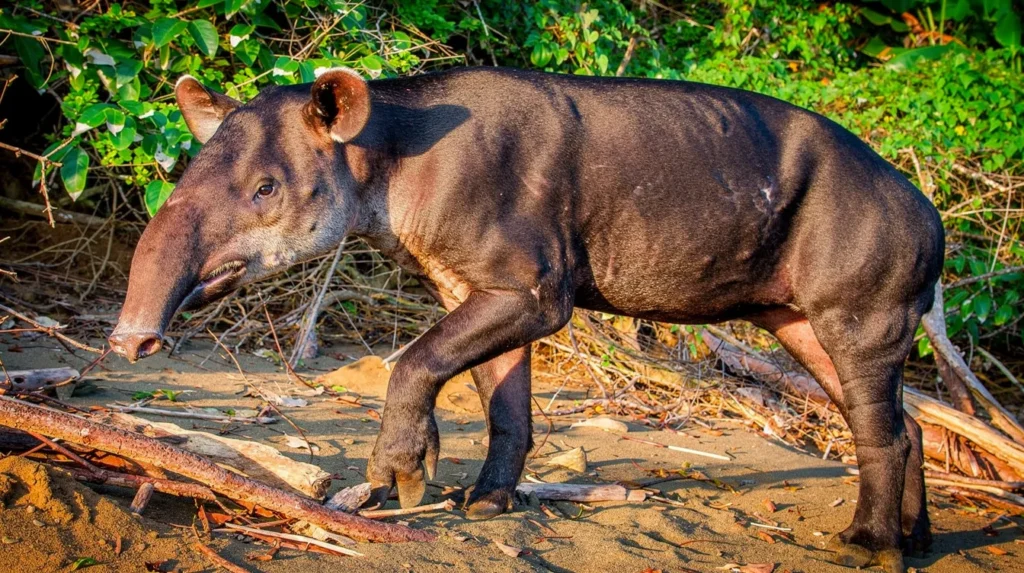
Baird’s tapirs are one of the most special large mammals in Costa Rica. The best-known place to see them is Corcovado National Park and the Osa Peninsula. Even there, sightings depend on season, guide, luck, sector, and timing.
Wild cats such as jaguars, pumas, ocelots, margays, and jaguarundis live in Costa Rica, especially in large protected forests. But sightings are rare. These animals are elusive, mostly active when people are not around, and should not be treated as a realistic checklist item for a normal trip.
The better way to think about big mammals is this: Corcovado gives you the best chance of being in the right habitat, but the experience is about the full rainforest, not a guaranteed jaguar sighting.
Sea turtles and marine wildlife
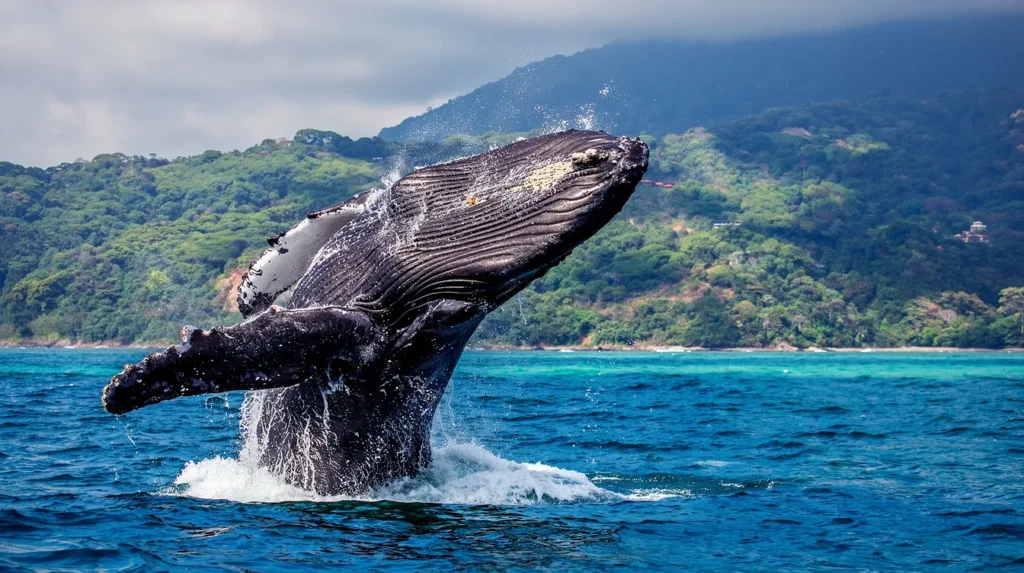
Sea turtles are seasonal and destination-specific. Tortuguero is one of the most famous turtle nesting destinations in Costa Rica, especially for green sea turtles. Ostional is known for olive ridley turtle nesting events. Marino Ballena is famous for whale watching and marine life on the South Pacific coast.
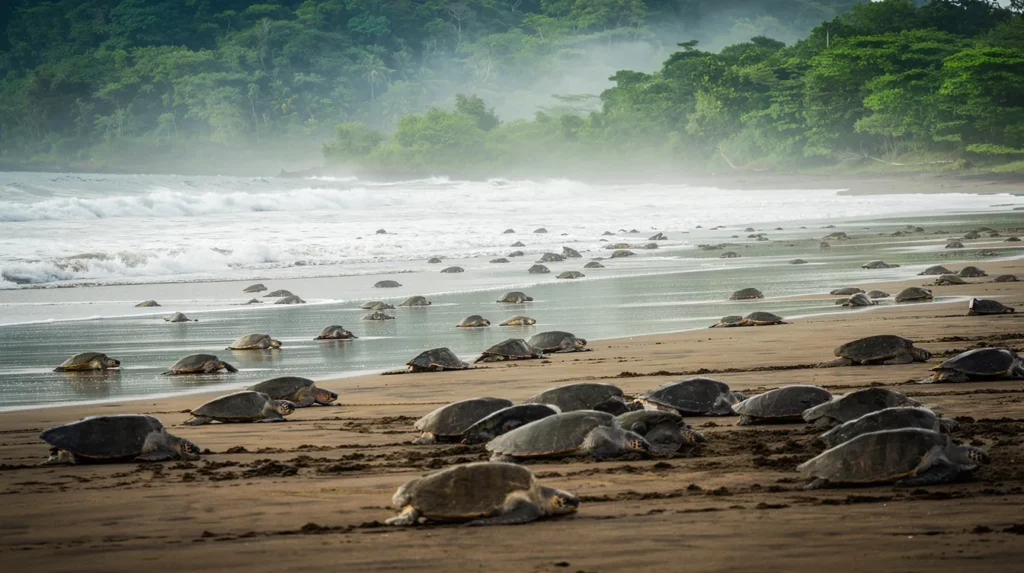
Marine wildlife can include dolphins, whales, sea turtles, reef fish, rays, seabirds, and coastal species depending on the region and season. If marine wildlife is a priority, the route should be planned around timing and coastline, not just the hotel.
Costa Rica rainforest ecosystems explained in simple terms
Costa Rica is not one rainforest. It is a small country with several very different ecosystems packed close together.
The northwest has tropical dry forest, especially in Guanacaste. This forest is more open and seasonal, which can make wildlife easier to spot in some areas, especially during the dry season.
The Caribbean and South Pacific have lowland rainforest. This is hot, humid, dense, and biologically rich. It is the kind of rainforest many travelers imagine when they think of Costa Rica.
The highlands have cloud forest, especially in places like Monteverde and San Gerardo de Dota. Cloud forest is cooler, mistier, mossier, and known for orchids, bromeliads, epiphytes, hummingbirds, and cloud forest birds.
There are also mangroves, wetlands, rivers, canals, beaches, reefs, and marine ecosystems. Tortuguero, Sierpe, Marino Ballena, Cahuita, and the Gulf of Nicoya all show different sides of Costa Rica’s water-based wildlife.
If your goal is wildlife, the ecosystem matters more than the hotel. Pick the right environment first, then choose the best base inside it.
Best places to see wildlife in Costa Rica
The best places to see wildlife in Costa Rica depend on whether you want easy sightings, serious rainforest, birdwatching, turtle nesting, or a comfortable nature trip.
For first-time visitors, La Fortuna and Manuel Antonio are two of the easiest wildlife destinations. They have strong tourism infrastructure, good hotels, guides, activities, and realistic animal sightings without requiring a remote expedition.
For serious rainforest, the Osa Peninsula and Corcovado National Park are the strongest options. This is where Costa Rica feels wildest and where biodiversity is most intense.
For birdwatching, Monteverde, Sarapiquí, San Gerardo de Dota, the Caribbean lowlands, and parts of the Osa Peninsula are excellent.
For turtles and wetland wildlife, Tortuguero is one of the most important destinations. For whales and marine wildlife, Marino Ballena and the South Pacific are key.
For a broader route, see our Best National Parks in Costa Rica guide.
Best places for easy wildlife sightings for first timers
If your goal is to see animals without going remote, the easiest wins are La Fortuna and Arenal, Manuel Antonio, and some Caribbean or Central Pacific regions.
These destinations work well because they combine wildlife with hotels, restaurants, transportation, guides, and manageable logistics. That matters, especially for families, older travelers, first-time visitors, and luxury travelers who want nature without roughing it.
Easy wildlife does not mean fake wildlife. It means the destination has enough forest, guides, trails, and tourism infrastructure to make sightings more realistic and the experience more comfortable.
La Fortuna and Arenal wildlife
La Fortuna is one of the most reliable places in Costa Rica for easy, comfortable wildlife watching. It is lush, humid, and biologically productive, with rainforest, rivers, wetlands, hot springs, and secondary forest close together.
Travelers can realistically see sloths, howler monkeys, toucans, frogs, basilisks, butterflies, reptiles, insects, and many tropical birds. The broader Arenal region also has private reserves, hanging bridges, night walks, and guided trails that improve wildlife opportunities.
La Fortuna is also perfect for mixing wildlife with comfort. You can do a guided rainforest walk in the morning, visit a waterfall in the afternoon, and relax in hot springs at night. That combination is one reason Arenal is one of the best destinations in Costa Rica for families and luxury travelers.
If you are planning this region, see our La Fortuna Costa Rica Travel Guide for luxury hotels, hot springs, guides, transportation, and the best things to do.
Manuel Antonio wildlife and the Central Pacific
Manuel Antonio is one of the easiest places in Costa Rica to see wildlife up close. The park is compact, the trails are manageable, and the coastal rainforest setting makes the experience very accessible.
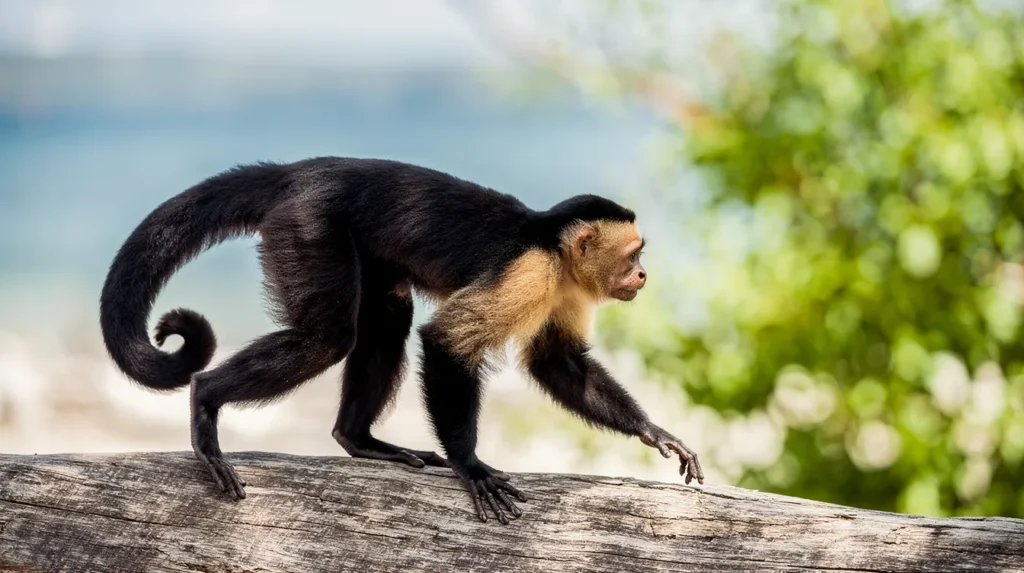
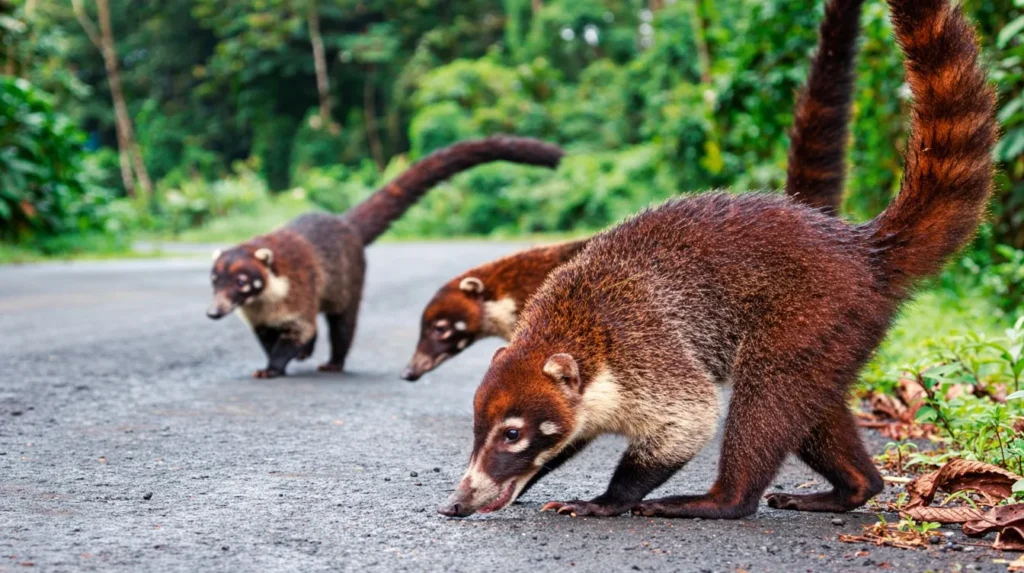
Visitors can often see white-faced capuchin monkeys, sloths, coatis, raccoons, iguanas, tropical birds, and sometimes scarlet macaws in the broader region. It is one of the best “first wildlife parks” in Costa Rica because the reward is immediate and the walking is not too demanding.
Manuel Antonio is especially good for families because it combines wildlife and beach in the same day. You can walk through rainforest, see animals, and then finish at one of the beaches inside the park.
A naturalist guide is strongly recommended here. The park can be visited without one, but a guide will spot animals most visitors walk past and make the experience much more meaningful.
Best places for serious rainforest and rare wildlife
If your goal is the most intense rainforest and the highest chance at rare species, go where the rainforest is largest and most intact.
That means the Osa Peninsula and Corcovado National Park. This is not the easiest region in Costa Rica, but it is the strongest for serious wildlife travelers.
Other strong rainforest regions include Sarapiquí, Tortuguero, the Caribbean lowlands, and parts of the South Pacific. These areas are better for travelers who care about biodiversity, birds, frogs, reptiles, insects, wetlands, and deeper forest experiences.
Osa Peninsula and Corcovado National Park wildlife
Corcovado is the top destination in Costa Rica for serious rainforest immersion. It is raw, dense, humid, remote, and biologically intense, with primary forest, rivers, wetlands, mangroves, and coastal jungle connected in one protected region.
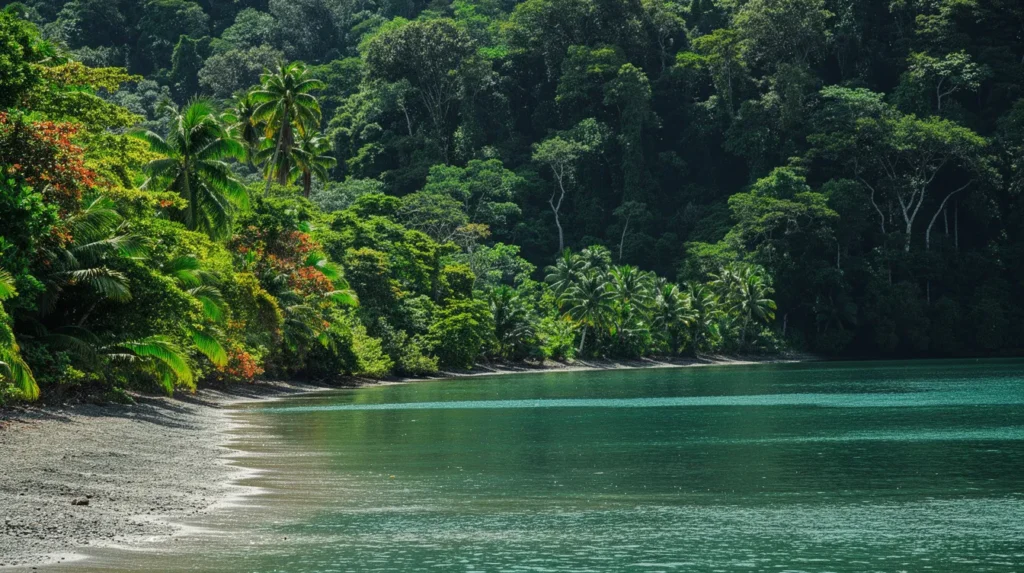
This is the best-known zone for Baird’s tapir. It is also home to scarlet macaws, all four Costa Rican monkey species, coatis, peccaries, anteaters, sloths, crocodiles, frogs, reptiles, and a huge range of birds and insects.
Jaguars and other wild cats are present, but sightings are rare and should not be expected. The value of Corcovado is not that you can check off every animal. The value is that you are inside one of the most important rainforest ecosystems in Central America.
Corcovado requires more planning than easier parks. A guide is mandatory, access depends on the sector, and the experience can involve boats, long trails, mud, heat, river crossings, and remote lodging. For the right traveler, it is one of the most powerful nature experiences in Costa Rica.
Best national parks in Costa Rica for wildlife
Some national parks are especially strong for wildlife, but each one offers a different type of experience.
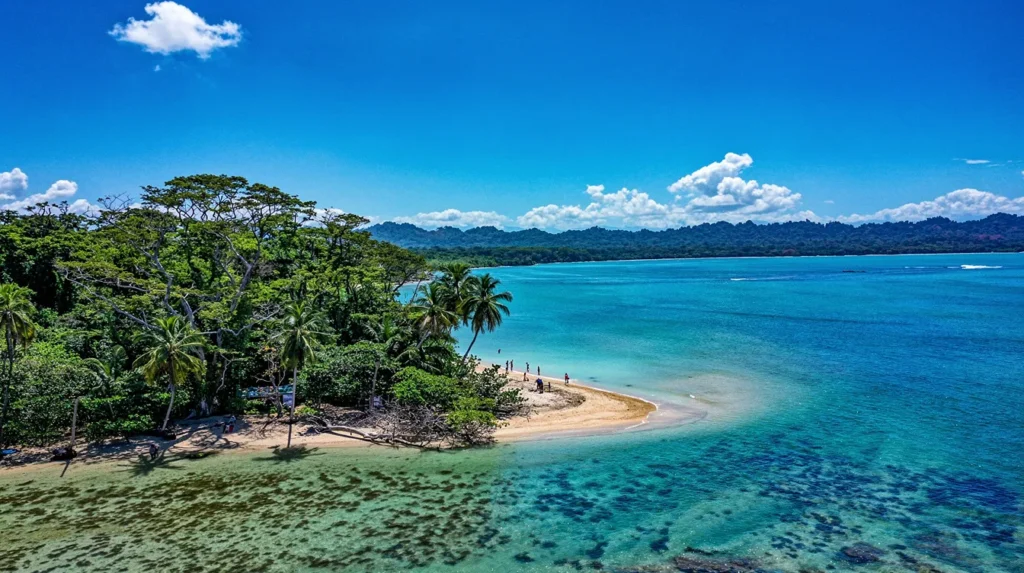
Manuel Antonio National Park is best for easy wildlife sightings, especially monkeys, sloths, coatis, raccoons, iguanas, birds, and coastal rainforest.
Corcovado National Park is best for serious rainforest biodiversity, tapirs, macaws, monkeys, rare mammals, and deep wilderness.
Tortuguero National Park is best for sea turtles, canals, wetlands, caimans, birds, monkeys, river turtles, and boat-based wildlife viewing.
Cahuita National Park is best for Caribbean beach, forest, reef, monkeys, sloths, and a relaxed coastal wildlife experience.
Arenal Volcano National Park and the broader La Fortuna region are best for rainforest trails, sloths, toucans, frogs, night walks, and easy comfort.
Monteverde Cloud Forest Reserve is not a national park, but it is one of the most famous wildlife and birdwatching destinations in Costa Rica, especially for cloud forest birds and the resplendent quetzal.
Guanacaste wildlife: dry forest, coastal animals, and marine life
Guanacaste is famous for beaches, but it still delivers wildlife. The key difference is that the dominant ecosystem in much of the region is tropical dry forest, not dense rainforest.
Dry forest can be excellent for visibility because it is more open, especially in the dry season. Travelers may see howler monkeys, iguanas, deer, armadillos, coatis, birds, butterflies, and reptiles. In some areas, the forest looks golden and dry for part of the year, then turns green again in the rainy season.
On the coast, the wildlife shifts toward marine life and beach ecosystems. Depending on where you stay and the season, you may see pelicans, frigatebirds, reef fish, rays, dolphins, turtles, and whales.
If your trip is mostly beaches but you still want wildlife, Guanacaste gives you a lot without needing to go deep into rainforest. For luxury travelers staying in Papagayo, Flamingo, Tamarindo, or Las Catalinas, a private guide can help turn a beach trip into a stronger nature experience.
Monteverde cloud forest wildlife
Monteverde is one of Costa Rica’s most famous cloud forest destinations. It is cooler, mistier, and very different from the lowland rainforest of La Fortuna, Tortuguero, or Corcovado.
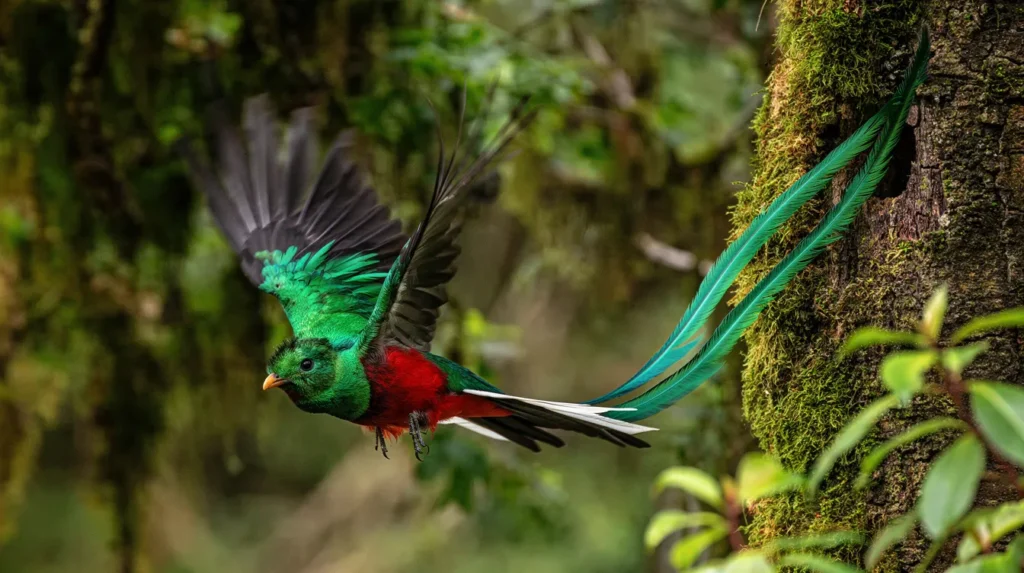
The forest is known for moss-covered trees, orchids, bromeliads, epiphytes, hummingbirds, and cloud forest birds. The most famous species is the resplendent quetzal, one of the most beautiful birds in Central America.
Monteverde is best for travelers who want atmosphere, birdwatching, cooler weather, and a different ecosystem. Wildlife sightings can be more subtle than in Manuel Antonio, but for birders and nature lovers, it is one of the most important stops in Costa Rica.
Sarapiquí wildlife and lowland rainforest
Sarapiquí is one of the best regions in Costa Rica for travelers who want lowland rainforest biodiversity without going as remote as Corcovado. It is especially strong for birds, frogs, insects, rainforest plants, and river-based nature.
This region is excellent for serious naturalist experiences. It does not have the same brand recognition as La Fortuna or Manuel Antonio, but it can be more rewarding for travelers who care about biodiversity.
Sarapiquí works well for birdwatchers, photographers, and travelers who want a deeper rainforest experience with less tourist traffic than the country’s most famous destinations.
Tortuguero wildlife and sea turtles
Tortuguero is one of Costa Rica’s classic wildlife destinations. It is located on the Caribbean coast and is best explored by boat, canoe, or kayak through canals and wetlands.
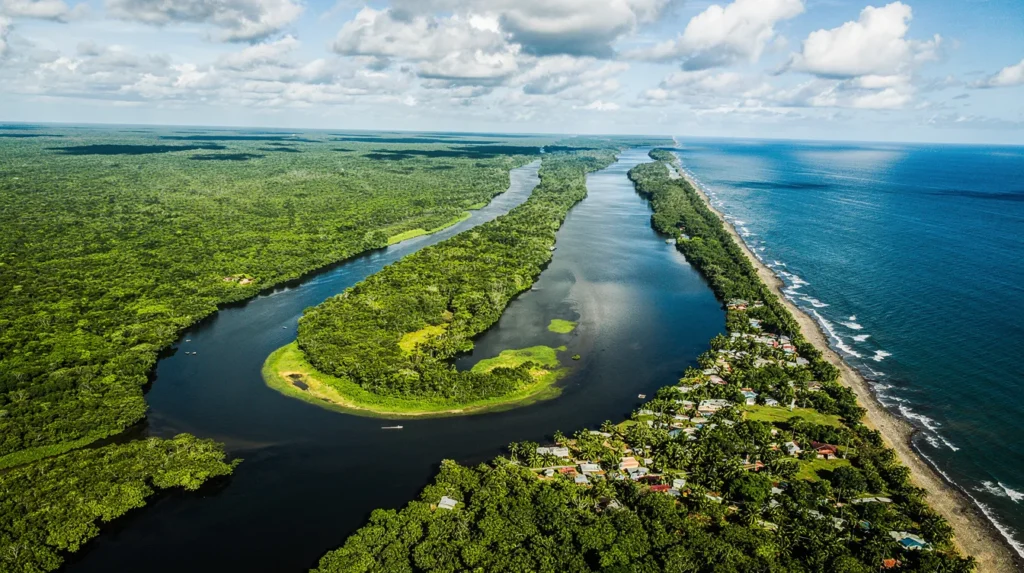
The park is famous for sea turtle nesting, especially green sea turtles, as well as monkeys, sloths, caimans, river turtles, iguanas, toucans, herons, kingfishers, frogs, and many tropical birds.
Tortuguero is not a quick stop. Because of the access logistics, it usually works best as a two or three night stay. The reward is a water-based rainforest experience that feels completely different from the Pacific coast, volcano parks, or cloud forest.
Where to see sloths in Costa Rica
The best places to see sloths in Costa Rica include La Fortuna, Manuel Antonio, the Caribbean coast, Sarapiquí, and some areas around the Central and South Pacific.
La Fortuna is strong because sloths can be found in forest edges, private reserves, wildlife areas, and secondary forest around the Arenal region. Manuel Antonio is one of the easiest places for first-time visitors because guides often know where sloths are active inside the park.
The Caribbean coast is also good for sloths, especially around Cahuita, Puerto Viejo, and nearby forested areas. Sarapiquí is another strong region, especially for travelers who are more focused on rainforest and birding.
The best advice is to use a guide. Sloths are slow, but they are not always obvious. They can be high in the canopy, partially hidden, or curled into a shape that looks like part of the tree.
Where to see monkeys in Costa Rica
Monkeys are realistic to see in many parts of Costa Rica, but the species vary by region.
Howler monkeys are widespread and common in Guanacaste, Arenal, the Caribbean side, and many forested regions. They are famous for their deep calls, which are often heard early in the morning.
White-faced capuchins are especially common in Manuel Antonio and the Central Pacific. They are active, intelligent, and comfortable near people, which makes them easy to observe, but also a reason visitors should never feed them or leave food exposed.
Spider monkeys are more associated with larger forest areas, including the Osa Peninsula and some Caribbean forests. Squirrel monkeys are more limited and are especially associated with parts of the Central and South Pacific, including the Manuel Antonio region.
For the best monkey sightings with easy logistics, Manuel Antonio is one of the safest recommendations. For a deeper rainforest experience, Corcovado and the Osa Peninsula are stronger.
Best wildlife viewing in Costa Rica
The best wildlife viewing in Costa Rica depends on the type of traveler.
For easy wildlife with comfort, choose La Fortuna and Manuel Antonio. These destinations work well for families, couples, first-time visitors, and luxury travelers who want animals, guides, hotels, restaurants, and smooth logistics.
For serious rainforest, choose Corcovado and the Osa Peninsula. This is the strongest option for travelers who care deeply about biodiversity and are willing to accept more planning and less convenience.
For birdwatching, choose Monteverde, Sarapiquí, San Gerardo de Dota, the Caribbean lowlands, and the Osa Peninsula.
For turtles and canal wildlife, choose Tortuguero.
For beach plus wildlife, choose Manuel Antonio, Cahuita, or the South Caribbean.
For dry forest and beach wildlife, choose Guanacaste with the right guide and route.
Is Costa Rica good for wildlife photography?
Yes, Costa Rica is excellent for wildlife photography, especially if you choose the right regions and use naturalist guides who understand animal behavior and timing.
For accessible photography, Manuel Antonio and La Fortuna are strong choices because wildlife can be found near trails, roads, forest edges, and private reserves. For more serious rainforest photography, Corcovado, Sarapiquí, and Tortuguero are better.
Bird photographers should consider Monteverde, San Gerardo de Dota, Sarapiquí, the Caribbean lowlands, and the Osa Peninsula. Macro photographers may enjoy night walks, frog tours, insects, reptiles, and rainforest plants.
The best wildlife photography usually happens early in the morning, late afternoon, or during specialized night walks. Midday can still be beautiful, but many animals are less active.
Why a Costa Rica naturalist guide changes everything
A rainforest walk without a guide can still be beautiful, but you will miss most of what is actually there.
A naturalist guide changes the entire experience. Guides know where animals tend to be at certain times, how to spot sloths and birds in the canopy, how to identify frogs and reptiles, and how to explain the forest in a way that makes the experience more meaningful.
They also carry scopes, which can make a huge difference. A toucan, sloth, or bird that looks like a distant shape becomes clear through a guide’s scope. For families, this can turn the walk from “green forest” into an actual wildlife experience.
If wildlife is the reason you are coming, a naturalist guide is one of the highest-return upgrades you can make.
Bespoke Costa Rica can arrange private naturalist guides in Costa Rica, curated wildlife experiences, private transportation, and full itinerary planning around the best wildlife regions for your dates.
Best timing for wildlife: simple rules that work
If you want better sightings, timing matters more than effort.
Early morning is usually best for active wildlife. Midday heat can reduce activity, especially in open areas. Late afternoon can also be good, but weather shifts matter. Night walks are excellent for frogs, insects, snakes, spiders, and nocturnal species.
In wetland regions like Tortuguero, boat-based mornings are often the best way to see animals. In beach areas, tide and light can matter. For turtles, nesting season and destination are the most important factors.
A good wildlife itinerary should not just ask “where are we going?” It should ask “what time are we visiting, with whom, and what are we trying to see?”
A simple 7 to 10 day Costa Rica wildlife itinerary that works
For an easy wildlife plus comfort route, plan 7 nights with 3 nights in La Fortuna and Arenal, 3 nights in Manuel Antonio, and 1 night positioned for a smooth departure depending on your flight.
This gives you rainforest, sloths, toucans, volcano landscapes, hot springs, capuchin monkeys, beaches, coastal rainforest, and enough comfort for a family or first-time trip.
For a more serious wildlife version, plan 9 to 10 nights with 3 nights in La Fortuna and Arenal, 2 nights in Manuel Antonio, and 3 to 4 nights on the Osa Peninsula for Corcovado.
This route balances easy sightings with the real rainforest intensity of Costa Rica. It is more demanding, but the wildlife payoff is much stronger.
For a custom route built around wildlife, guides, transportation, and the right accommodations, see our Costa Rica travel planning service.
Common mistakes wildlife travelers make in Costa Rica
The first mistake is assuming every destination has the same wildlife. Costa Rica is small, but ecosystems change quickly. Guanacaste dry forest, Arenal rainforest, Monteverde cloud forest, Tortuguero wetlands, and Corcovado primary rainforest are not the same experience.
The second mistake is skipping guides to save money. If wildlife is the point of the trip, this is the wrong place to cut corners. A guide can change what you see and how much you understand.
The third mistake is going at the wrong time of day. Morning, late afternoon, and night walks matter. Midday is often better for lunch, transfers, hot springs, or downtime.
The fourth mistake is trying to do too many regions. More transfers usually means fewer wildlife hours. It is better to choose the right ecosystems and experience them properly.
The fifth mistake is expecting guaranteed rare sightings. Costa Rica has jaguars, pumas, tapirs, quetzals, turtles, and rare birds, but nature is not a zoo. The goal is immersion, not a guaranteed checklist.
Final thoughts on Costa Rica wildlife
Costa Rica is one of the best wildlife destinations in the world because it offers real biodiversity in a country that is still accessible to travelers. You can see sloths, monkeys, toucans, frogs, macaws, turtles, crocodiles, caimans, butterflies, and rainforest birds without needing to rough it.
The best trip depends on what kind of wildlife experience you want. La Fortuna and Manuel Antonio are excellent for easy sightings and comfort. Corcovado is the strongest for serious rainforest. Tortuguero is best for canals and turtles. Monteverde is best for cloud forest birds. Sarapiquí is excellent for lowland rainforest biodiversity. Guanacaste offers dry forest and coastal wildlife.
If wildlife is a priority, we can help match your route with the right rainforest regions, naturalist guides, private transportation, and accommodations.
Send us a WhatsApp message with your dates and group size, and we will begin planning your perfect vacation.
FAQ
What animals live in the Costa Rican rainforest?
Costa Rica’s rainforests are home to sloths, howler monkeys, white-faced capuchins, spider monkeys, squirrel monkeys, toucans, macaws, frogs, snakes, iguanas, basilisks, coatis, tapirs, crocodiles, caimans, butterflies, insects, and hundreds of bird species. Rare animals like jaguars, pumas, and ocelots also live in Costa Rica, but sightings are uncommon.
Where are the best places to see Costa Rica wildlife for first timers?
La Fortuna and Arenal, Manuel Antonio, and Tortuguero are some of the best places for first-time visitors to see wildlife with comfort and strong tourism infrastructure. These destinations offer guided trails, good hotels, realistic sightings, and manageable logistics.
Where can I see sloths in Costa Rica?
Good places to see sloths include La Fortuna, Manuel Antonio, the Caribbean coast, Sarapiquí, and some Central and South Pacific areas. Sloths are easier to find with a guide because they are often high in trees or hidden in forest edges.
Where can I see monkeys in Costa Rica?
Manuel Antonio is famous for white-faced capuchin monkeys, while howler monkeys are common in Guanacaste, Arenal, the Caribbean side, and many forested areas. Spider monkeys and squirrel monkeys are more region-specific and are often associated with larger or more specific rainforest habitats.
What is the best national park in Costa Rica for wildlife?
Corcovado National Park is the top choice for serious rainforest biodiversity and rare wildlife potential, but it is more remote. Manuel Antonio is better for easy wildlife sightings, while Tortuguero is best for turtles, canals, and wetland wildlife.
Is a naturalist guide worth it in Costa Rica?
Yes. A naturalist guide dramatically increases what you see and helps you understand what you are looking at. This is especially important for sloths, birds, frogs, reptiles, insects, animal behavior, and rainforest interpretation.
What is the best place for birdwatching in Costa Rica?
Monteverde is famous for cloud forest birding, including the resplendent quetzal. Sarapiquí, San Gerardo de Dota, the Caribbean lowlands, and the Osa Peninsula are also excellent for serious birdwatching.
Can you see jaguars in Costa Rica?
Jaguars live in Costa Rica, especially in large protected rainforest areas like Corcovado and the Osa Peninsula, but sightings are very rare. Travelers should not expect to see a jaguar on a normal trip.
When is the best time of day to see wildlife in Costa Rica?
Early morning is usually best for wildlife activity. Late afternoon can also be good, and night walks are excellent for frogs, insects, reptiles, and nocturnal animals. Midday is often less active because of heat.
Is Costa Rica good for wildlife photography?
Yes. Costa Rica is excellent for wildlife photography, especially in regions like La Fortuna, Manuel Antonio, Corcovado, Sarapiquí, Tortuguero, Monteverde, and the Osa Peninsula. A guide with a scope can make a major difference for birds, sloths, and canopy animals.