
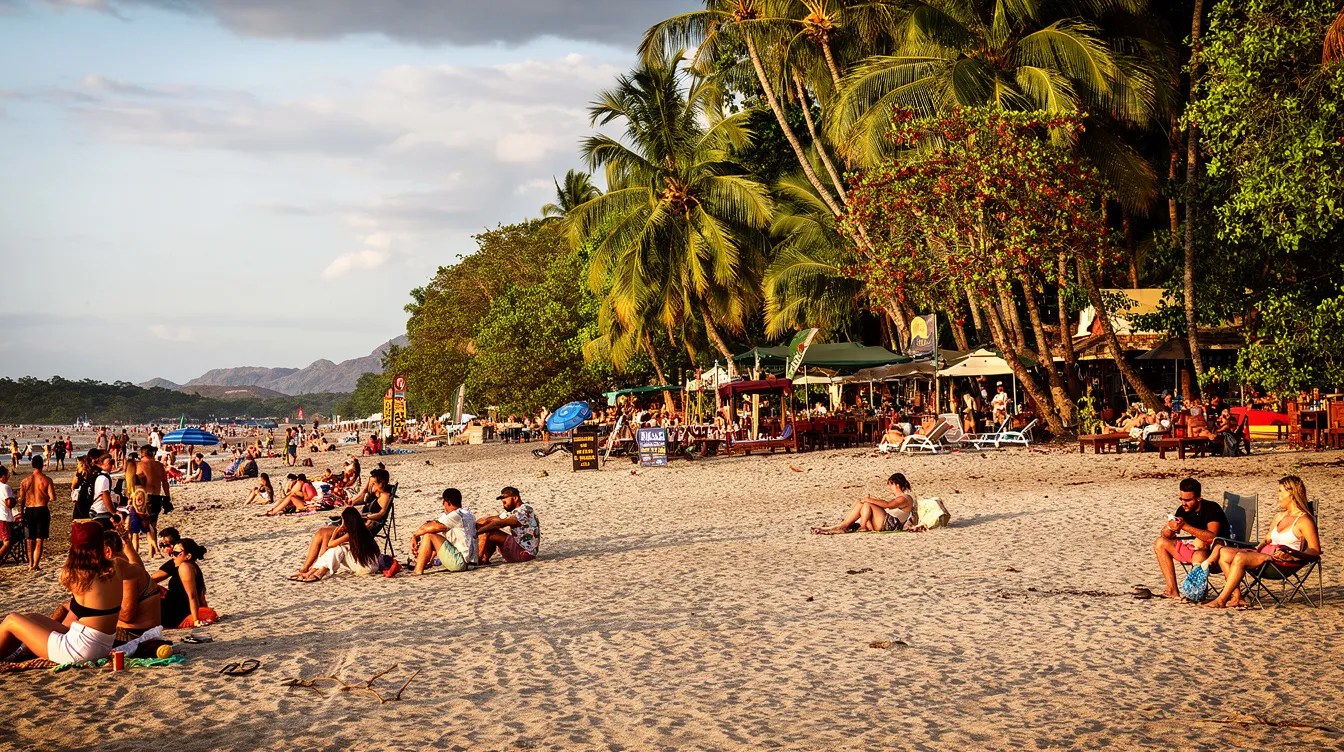
Is Costa Rica Safe for Tourists in 2026?
Costa Rica is generally safe for tourists, including Americans, especially in established destinations like Papagayo, Tamarindo, La Fortuna, Manuel Antonio, Monteverde, Nosara, Santa Teresa, and most resort areas. It is one of the easiest countries in Central America for travelers to navigate, but it is not risk-free.
The most common problems for visitors are petty theft, unattended valuables on beaches, car break-ins, driving at night, nightlife mistakes, and choosing the wrong area or accommodation without local guidance. Most serious issues can be avoided with basic awareness, reliable transportation, secure lodging, and smart planning.
This guide explains what tourists should actually worry about, where to be more careful, which destinations feel easier, and how to travel through Costa Rica with fewer risks and less friction.
Quick answer: is Costa Rica safe?
Yes, Costa Rica is generally safe for tourists. The country receives a large number of international visitors every year, and most trips happen without major problems. For travelers staying in established beach towns, resort areas, national park destinations, and well-managed private accommodations, the experience is usually comfortable and low-friction.
That said, tourists should still take normal precautions. The main safety issues are petty theft, car break-ins, unattended belongings, beach theft, nightlife decisions, and road safety. Costa Rica is safe enough to visit, but it is not a place where you should be careless with valuables, rental cars, late-night transportation, or isolated areas.
Costa Rica safety at a glance
| Question | Short answer |
|---|---|
| Is Costa Rica safe for tourists? | Yes, generally safe with normal precautions |
| Is Costa Rica safe for Americans? | Yes, Americans visit safely every year |
| Main tourist risk | Petty theft and unattended valuables |
| Beach safety | Do not leave bags, phones, or wallets unattended |
| Driving safety | Roads vary; avoid long rural drives at night |
| Nightlife safety | Use reliable transport and avoid isolated areas late |
| Safest trip style | Private transportation, secure lodging, planned activities |
| Areas that feel easier | Papagayo, Tamarindo, La Fortuna, Manuel Antonio, Monteverde, Nosara, Santa Teresa, resort zones |
| Areas needing more awareness | San José at night, nightlife districts, isolated beaches, parked rental cars |
Is Costa Rica safe for Americans?
Yes, Costa Rica is generally safe for Americans. The country is one of the most familiar destinations in Central America for U.S. travelers, with frequent flights, established tourism infrastructure, English-speaking service providers in major destinations, and a strong hospitality culture.
The biggest risk for Americans is not usually targeted violence. It is behaving too casually with valuables, rental cars, nightlife, beach bags, or late-night transportation. Travelers who use secure lodging, private transfers, reputable guides, and common sense usually have a smooth experience.
Americans should still read the official travel advisory before visiting. The U.S. State Department specifically recommends staying aware of surroundings, avoiding poorly lit beaches or streets, not physically resisting a robbery attempt, and avoiding signs of wealth such as expensive watches or jewelry.
The practical takeaway is simple: Costa Rica is a very normal destination for American tourists, but do not treat it like a private resort everywhere you go. Use the same awareness you would use in any international destination with busy beaches, nightlife, parking lots, and tourist areas.
Is Costa Rica safer than Mexico?
For many tourists, Costa Rica feels simpler and lower-friction than Mexico because the country is smaller, the main tourism routes are easier to understand, and travelers are usually moving between beach towns, resorts, national parks, and adventure destinations.

Mexico varies much more by region. Some destinations are very polished and heavily touristed, while others require more caution. The U.S. State Department lists Mexico as Level 2 overall, but Mexico’s advisory is state-specific, which means the risk level and guidance can vary widely depending on the exact region.
Costa Rica also has safety issues, especially theft and car break-ins, but many visitors find the overall travel experience easier to manage. The better question is not whether one country is universally safer than the other. The better question is where you are going, how you are moving, where you are staying, and whether your trip is properly planned.
If you want a lower-friction trip where the main safety focus is securing valuables, using reliable transportation, and choosing good accommodations, Costa Rica is often easier for many tourists to navigate.
Common safety risks for tourists in Costa Rica
Most tourist safety issues in Costa Rica are not dramatic. They are practical.
A phone left on a beach towel, a backpack visible in a rental car, a passport left in a bag, a late-night walk in the wrong area, or a poorly planned drive after dark can create problems. These are the situations tourists should take seriously.
The most common risks include petty theft, beach theft, bags left unattended, phones or wallets left on restaurant tables, rental car break-ins, passport theft, poor road conditions in remote areas, driving at night, rip currents, nightlife mistakes, unofficial transportation, and isolated beaches or poorly lit areas.
The goal is not paranoia. The goal is smooth travel. If you plan transportation, secure valuables, choose the right accommodations, and avoid improvising at the wrong moments, Costa Rica usually feels easy.
Petty theft and beach safety
Beach theft is one of the most common issues for tourists. The mistake is simple: people go swimming and leave a phone, wallet, backpack, room key, or car key unattended on the sand. In busy beach towns, that is enough time for something to disappear.
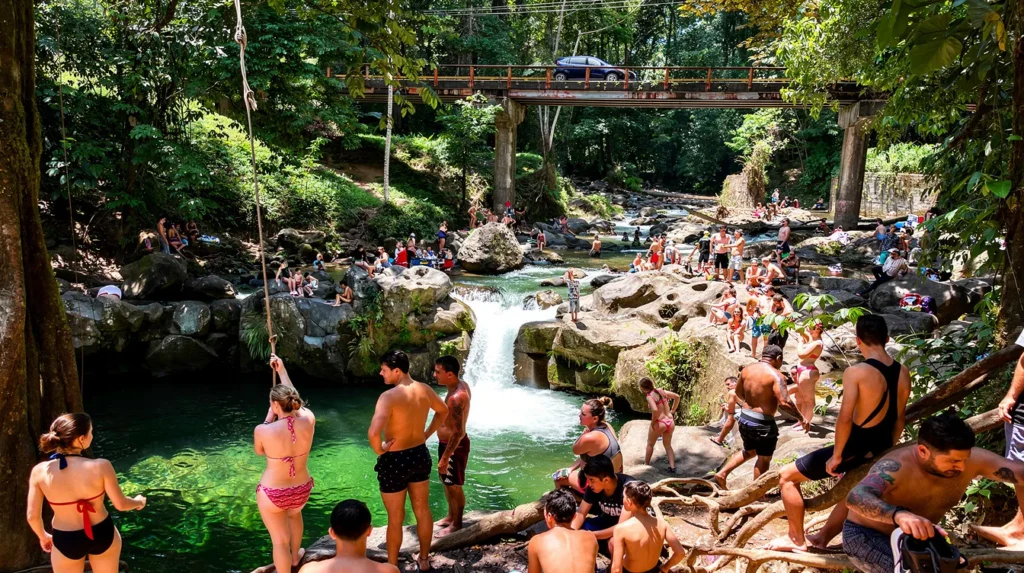
Do not leave bags unattended while swimming. Do not leave phones or wallets sitting on café tables. Do not hang a backpack loosely off a chair in a crowded bar. Do not leave valuables in plain sight at the beach, in restaurants, or in parked cars.
Use hotel safes or villa safes for passports, extra cash, watches, jewelry, and backup cards. Carry only what you need for the day. Keep a photo or copy of your passport when appropriate, and keep the original secured unless you specifically need it.
The same applies in national parks and waterfalls. Tourists often relax because they are in nature, but parking areas, trailheads, beaches, and viewpoints can still attract theft. Canada’s travel advice specifically mentions theft in tourist areas and parking lots, including beaches and national parks.
Rental car and driving safety
Rental car break-ins are one of the most preventable problems in Costa Rica. Do not leave luggage, passports, laptops, cameras, shopping bags, backpacks, or electronics visible in the car, even for a short stop.
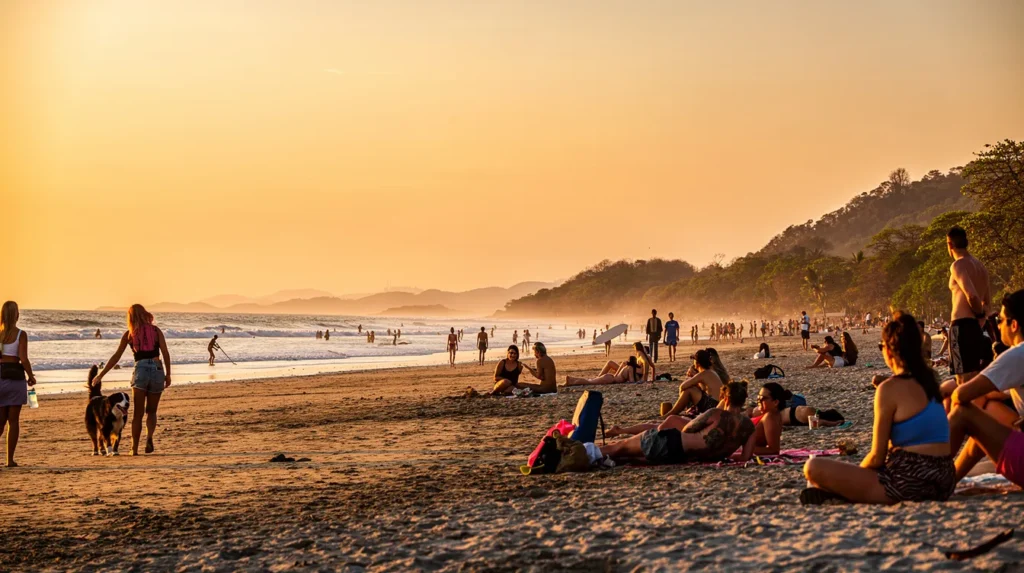
This is especially important on transfer days. If you are driving from one destination to another with luggage, plan stops carefully. Do not park at a beach, waterfall, viewpoint, restaurant, or supermarket with visible bags in the car. Canada’s travel advice notes that rental and luxury vehicles are common targets and that theft often happens in parking lots at hotels, supermarkets, restaurants, stores, national parks, and beaches.
Road safety also matters. Costa Rica has many beautiful routes, but roads can be narrow, dark, winding, rainy, poorly marked, or rough in rural areas. Avoid long rural drives at night when possible, especially if you do not know the route.
For luxury travelers, families, and groups, private transportation is often the better choice. A professional driver reduces stress, avoids navigation mistakes, helps with luggage security, and makes destination-to-destination transfers smoother.
For airport pickups, private ground transportation, and destination-to-destination transfers, see our private transportation in Costa Rica service.
Nightlife safety
Nightlife in Costa Rica can be fun, especially in towns like Tamarindo, Jaco, Santa Teresa, and San José, but most problems happen when people combine alcohol, poor transportation, unfamiliar streets, and bad judgment.

Use reliable transportation at night. Move as a group. Keep your phone charged. Watch your drink. Do not accept questionable offers from strangers. Avoid arguments. Avoid isolated areas late at night. Do not walk alone in poorly lit areas or unfamiliar neighborhoods.
Jaco and Tamarindo have more obvious nightlife scenes. Santa Teresa is more event-driven. San José has bars and restaurants, but the city requires more intentional movement at night than most beach towns.
For groups, the best move is to coordinate the return transportation before going out. Do not wait until late at night to figure out who is driving, which taxi is legitimate, or how everyone is getting back.
Safest places to visit in Costa Rica
No destination is perfectly safe, but the easiest-feeling destinations for tourists are usually established areas with good accommodations, restaurants, transportation options, tourism infrastructure, and local experience handling visitors.
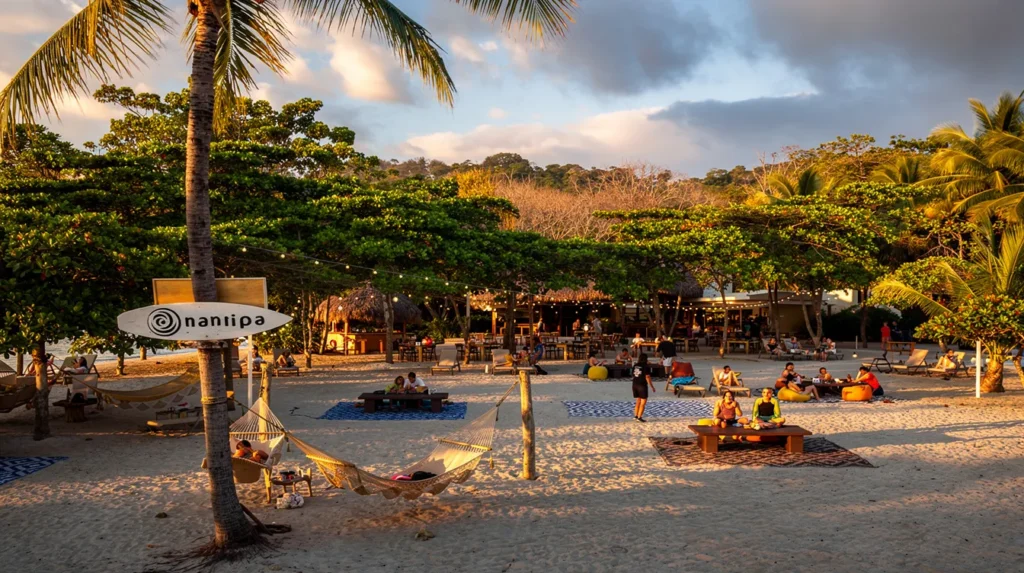
Peninsula Papagayo, Tamarindo, Flamingo, Las Catalinas, La Fortuna, Monteverde, Manuel Antonio, Nosara, Santa Teresa, Dominical, Uvita, and many managed resort or villa areas are common choices for travelers who want a smoother experience.
La Fortuna and Monteverde tend to feel calm and nature-focused. Papagayo, Las Catalinas, Flamingo, and many Guanacaste resort areas are more controlled and polished. Manuel Antonio has strong tourism infrastructure. Tamarindo is busy and social but very used to visitors. Nosara and Santa Teresa feel more relaxed, but roads and logistics require more attention.
If you are choosing where to go, see our Best Places to Visit in Costa Rica guide and our Best National Parks in Costa Rica guide for destination ideas that match your travel style.
Places to be more careful in Costa Rica
Being careful does not mean avoiding these places completely. It means changing your behavior.
Be more intentional in downtown San José at night, bus terminals, isolated beaches, parking lots near beaches and trailheads, nightlife zones after midnight, remote roads at night, and anywhere you are moving with luggage in a rental car.
San José can be visited safely, especially during the day and in better-known areas, but it is not a place where most tourists should wander randomly late at night. Choose a good neighborhood, use reliable transportation, and plan your movement.
Beach towns are usually more relaxed, but theft can still happen. Isolated beaches, parked cars, and unattended bags are the key risks. A beautiful beach is still a public place.
The rule is simple: in higher-risk situations, reduce improvisation. Know where you are going, how you are getting there, where your valuables are, and how you are getting back.
Safety tips for families
Costa Rica is one of the best family destinations in the region, but families should pay attention to logistics.

Choose secure accommodations, avoid long late-night drives with children, check ocean conditions before swimming, and use professional guides for rainforest, wildlife, and adventure activities. The main risks for families are usually practical: strong surf, heat, dehydration, tired kids, overpacked itineraries, and transportation delays.
Not every beach is ideal for swimming. Some beaches have strong currents, rocks, or surf conditions that are better for experienced surfers than young children. Pay attention to flags, signs, lifeguards, and local guidance.
For wildlife, waterfalls, hanging bridges, volcanoes, and national parks, use reputable guides and operators. A good guide helps make the experience safer, more educational, and more enjoyable.
If you are traveling with children, see our Costa Rica Family Vacation Guide for destination ideas, family-friendly stays, and a simple 7 to 10 day planning structure.
Safety tips for luxury travelers
Luxury travelers can reduce most travel friction by using private transportation, secure accommodations, vetted guides, and a local point of contact. The difference is not just comfort. It also reduces the chances of wrong turns, poorly timed transfers, unsafe parking stops, unreliable operators, and last-minute confusion.

Handpicked accommodations matter. A beautiful property is not enough. Location, access, security, staff quality, parking, neighborhood, and proximity to activities all affect the safety and comfort of the trip.
Private transportation also matters. Moving between destinations with luggage in a rental car creates more exposure than many travelers realize. With a private driver, the vehicle, route, timing, parking, luggage, and arrival coordination are handled more cleanly.
For luxury travelers, the best strategy is to remove weak points from the itinerary. Use secure villas or resorts, reliable drivers, vetted guides, planned activities, and local support if something changes.
If you are still choosing where to stay, see our curated portfolio of handpicked luxury accommodations in Costa Rica.
How Bespoke Costa Rica helps reduce travel friction
Bespoke Costa Rica helps travelers plan safer, smoother trips by coordinating handpicked luxury accommodations, private transportation, curated Costa Rica experiences, vetted local providers, and trusted local concierge support.
For families, groups, and high-end travelers, this makes the trip easier because the main logistics are handled before arrival and support is available during the trip.
A professional plan helps reduce the moments where tourists usually make mistakes: driving unfamiliar roads at night, leaving luggage in cars, booking the wrong area, choosing unreliable vendors, underestimating transfer times, or trying to solve problems in the middle of the trip.
For full itinerary design, private drivers, luxury accommodations, guides, and on-the-ground support, see our Costa Rica travel planning service.
FAQ
Is Costa Rica safe for tourists in 2026?
Yes, Costa Rica is generally safe for tourists in 2026, especially in established destinations and resort areas. The main risks are petty theft, beach theft, rental car break-ins, driving at night, and poor nightlife decisions.
Is Costa Rica safe for Americans?
Yes, Costa Rica is generally safe for Americans. U.S. travelers should follow official travel advisories, use reliable transportation, avoid leaving valuables unattended, and be more careful in nightlife zones, parking areas, and downtown San José at night.
What is the biggest safety risk in Costa Rica?
The biggest safety risk for most tourists is petty theft, especially unattended belongings on beaches, valuables left visible in cars, phones or wallets left on tables, and bags left unsecured in crowded areas.
Is Costa Rica safer than Mexico?
For many tourists, Costa Rica feels easier and lower-friction than Mexico, but safety depends on the specific destination, accommodations, transportation, and travel behavior. Costa Rica is not risk-free, but many visitors find it simple to navigate with normal precautions.
Is it safe to walk at night in Costa Rica?
In busy tourist areas, short walks at night are often fine with normal awareness. In cities, isolated roads, poorly lit areas, and nightlife districts late at night, it is better to use reliable transportation.
Is San José safe for tourists?
San José can be visited safely, especially during the day and in better-known areas, but tourists should be more careful downtown, around bus terminals, and at night. Use reliable transportation and avoid walking alone late in unfamiliar areas.
Are beaches safe in Costa Rica?
Costa Rica’s beaches are beautiful, but tourists should watch for rip currents and avoid leaving valuables unattended while swimming. Not every beach has lifeguards, and some surf beaches are not ideal for casual swimming. The U.S. Embassy section of the State Department advisory specifically warns travelers about dangerous rip currents and recommends swimming in designated areas, looking for lifeguards, and following signs or flags. (Travel.gov)
Should I rent a car in Costa Rica?
Renting a car can work well for some travelers, but it requires planning. Roads vary, rural routes can be dark or rough, and car break-ins are a common issue if luggage is visible. Many luxury travelers prefer private transportation because it reduces friction and makes transfers easier.
Are tourist areas policed in Costa Rica?
Yes, many tourist areas have dedicated tourism safety efforts and police presence, but travelers should still use normal precautions. Police presence does not prevent petty theft if valuables are left unattended on beaches, restaurant tables, or inside vehicles.
Is Costa Rica safe for families?
Yes. Costa Rica is a strong family destination, especially in established areas like Papagayo, La Fortuna, Monteverde, Manuel Antonio, Tamarindo, and many resort zones. Families should choose safe lodging, reliable transportation, calm beaches when swimming with children, and reputable guides for activities.
What should tourists avoid in Costa Rica?
Tourists should avoid leaving belongings unattended, leaving valuables visible in cars, walking alone late at night in unfamiliar or poorly lit areas, using unreliable transportation, carrying unnecessary valuables, ignoring beach conditions, and improvising long rural drives after dark.
Final thoughts
Costa Rica is generally safe for tourists in 2026, but it is not a destination where travelers should ignore basic precautions. The most common problems are preventable: petty theft, beach theft, visible luggage in cars, poor night transportation, bad nightlife decisions, and careless movement through unfamiliar areas.
For most visitors, the country feels welcoming, beautiful, and easy to enjoy. The best way to keep it that way is to choose the right destinations, stay in secure accommodations, use reliable transportation, book vetted guides, and avoid the small mistakes that create most tourist problems.
If you want a smoother trip with secure accommodations, reliable private transportation, vetted guides, and local support, Bespoke Costa Rica can help plan the details before you arrive.
Send us a WhatsApp message with your dates and group size, and we will begin planning your perfect vacation.