
Costa Rica is known around the world for its conservation, wildlife, rainforests, beaches, volcanoes, and national parks. For a small country, it protects an impressive amount of land through national parks, biological reserves, wildlife refuges, private reserves, and other protected natural areas.
That is one of the main reasons Costa Rica feels so special as a travel destination. You are not just visiting beaches or mountains. You are visiting a country where nature is part of the national identity.
Costa Rica covers only a tiny percentage of the planet’s surface, but it holds an extraordinary share of the world’s biodiversity. Rainforest, tropical dry forest, cloud forest, wetlands, mangroves, coral reefs, volcano landscapes, and highland ecosystems all fit inside one small country. That is why a trip here can feel so varied even if you only visit two or three regions.
The national parks are the foundation of that experience. They are where travelers can see monkeys, sloths, scarlet macaws, toucans, tapirs, sea turtles, volcano craters, waterfalls, rainforest trails, mangroves, and some of the most beautiful beaches in Central America.
This guide covers the best national parks in Costa Rica, what each one is best for, and how to think about them when planning your itinerary. If you’re looking for more Costa Rica destination ideas, see our Costa Rica Hidden Gems Guide.
Manuel Antonio National Park
Manuel Antonio National Park is one of the most famous national parks in Costa Rica and one of the easiest parks to love on a first trip. It is located on the Central Pacific coast, near Quepos, and it combines tropical rainforest, easy wildlife sightings, and some of the most beautiful beaches in the country. That mix is why Manuel Antonio has become one of the classic Costa Rica national parks for families, couples, and first-time visitors.
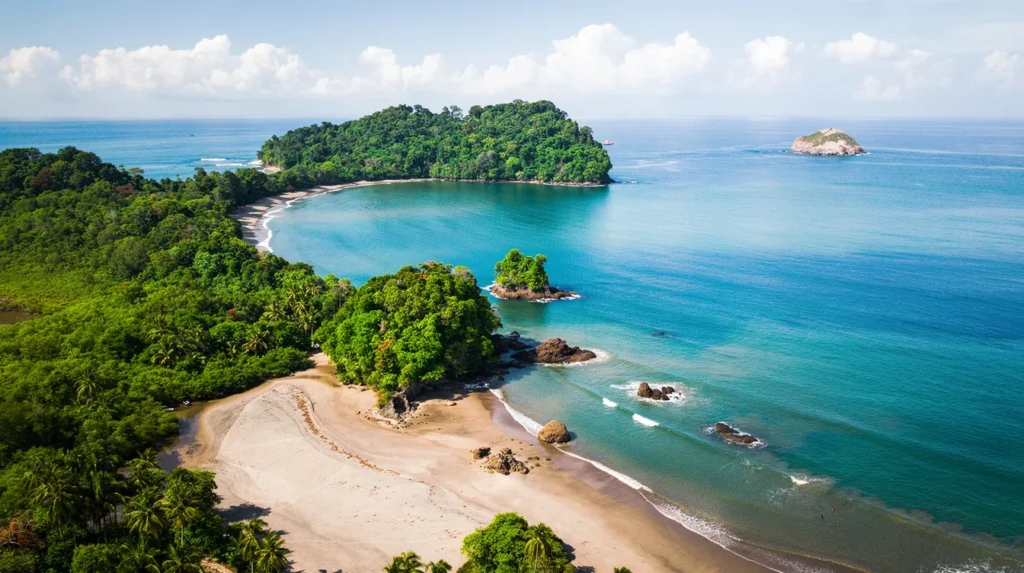
The park is not huge, but it delivers a lot in a small area. Visitors can walk manageable trails through coastal rainforest, see wildlife without doing a difficult hike, and then finish the visit at the beach. Common sightings include white-faced capuchin monkeys, sloths, iguanas, coatis, raccoons, tropical birds, and sometimes scarlet macaws in the broader region. The park is also important because it protects habitat for the endangered Central American squirrel monkey, one of the special species associated with this part of Costa Rica.
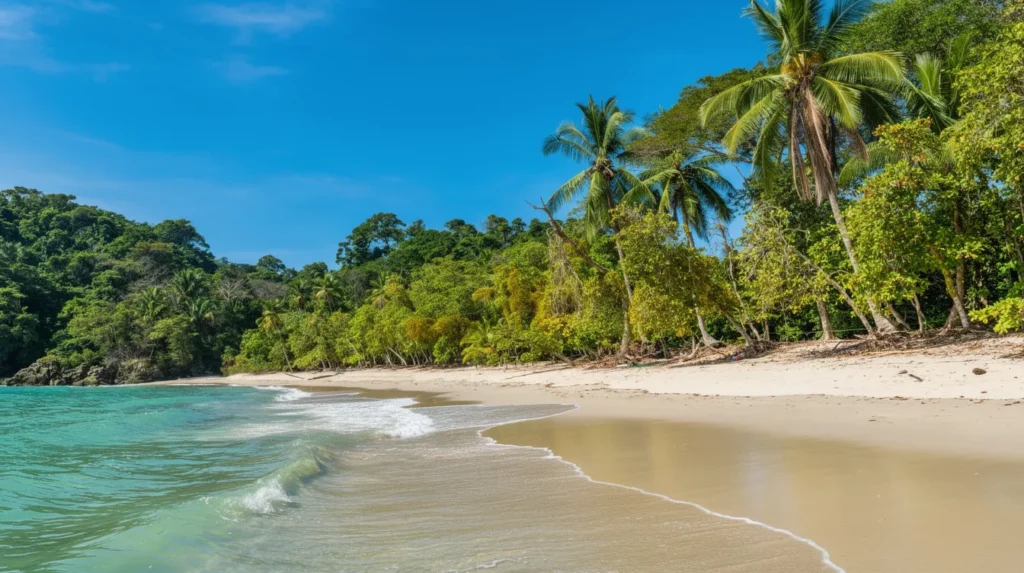
Manuel Antonio is best for travelers who want rainforest and beach in the same day. Playa Manuel Antonio is the most famous beach inside the park, known for calm water and classic tropical scenery. Playa Espadilla Sur is another scenic beach inside the protected area, and Punta Catedral is one of the best-known trail areas, with forest, coastline, and ocean views.
A certified naturalist guide is highly recommended if wildlife is a priority. The animals are easier to see here than in many other parks, but a guide can spot sloths, birds, reptiles, and hidden animals that most visitors walk right past. It makes the visit feel more like a real rainforest experience instead of just a pretty walk.
The surrounding Quepos and Manuel Antonio area also adds a lot to the destination. Quepos has restaurants, shops, hotels, tours, and Marina Pez Vela, which is popular for sport fishing, sunset cruises, private boats, and marina-style dining. Nearby Damas Island is also worth mentioning for mangrove tours, where travelers can see monkeys, birds, reptiles, crabs, and a completely different coastal ecosystem.
If you plan to visit Manuel Antonio National Park, buy tickets online in advance through SINAC, go early, and keep the day simple. Bring swimwear, comfortable walking shoes, water, sunscreen, and only what you need. This park is ideal if you want easy wildlife, beautiful beaches, and one of the most iconic Costa Rica national park experiences without committing to a remote or difficult hike.
If you want to visit Manuel Antonio with a private naturalist guide, Bespoke Costa Rica can arrange a guided park experience, transportation, and the right timing for your group.
If you want to add more to the day, see our curated experiences in Costa Rica for private tours, wildlife experiences, boat days, waterfalls, and custom activities around your itinerary.
Poás Volcano National Park
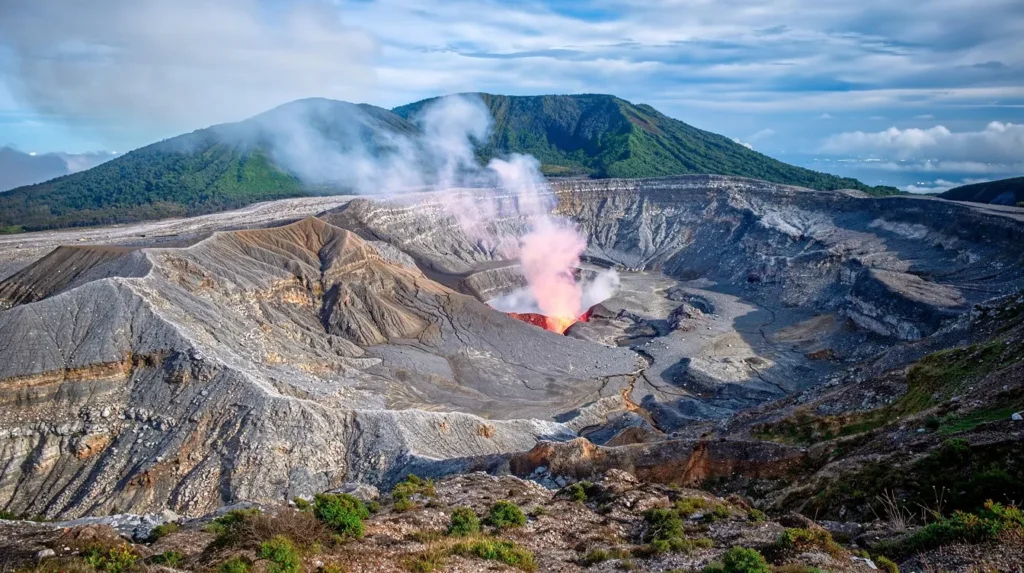
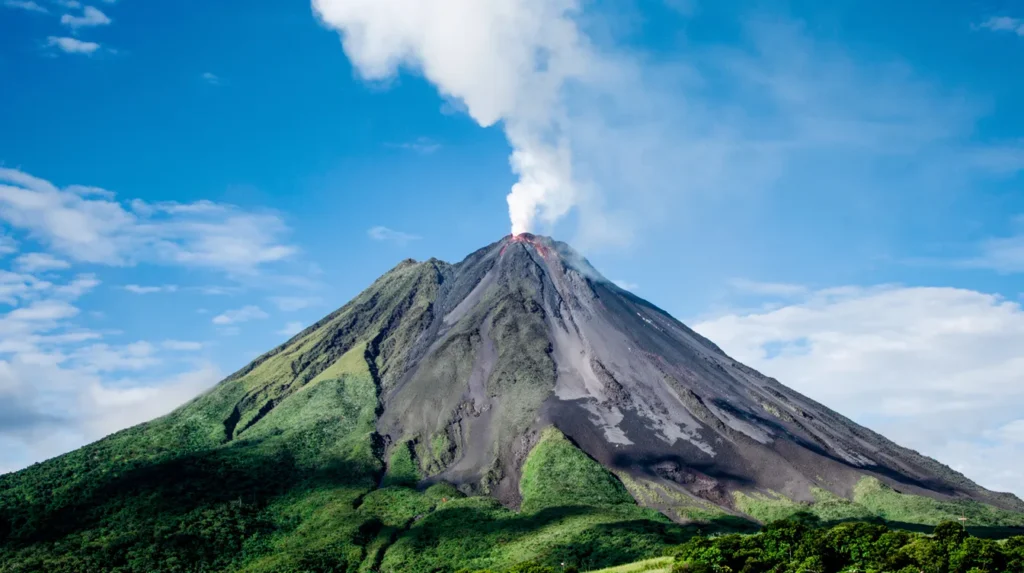
Poás Volcano National Park is one of the most famous volcano parks in Costa Rica, largely because it is one of the easiest active volcanoes to visit from San José. It is located in Alajuela Province, about a scenic 1.5 hour drive from the capital, making it one of the best national parks in Costa Rica for a one day volcano tour.
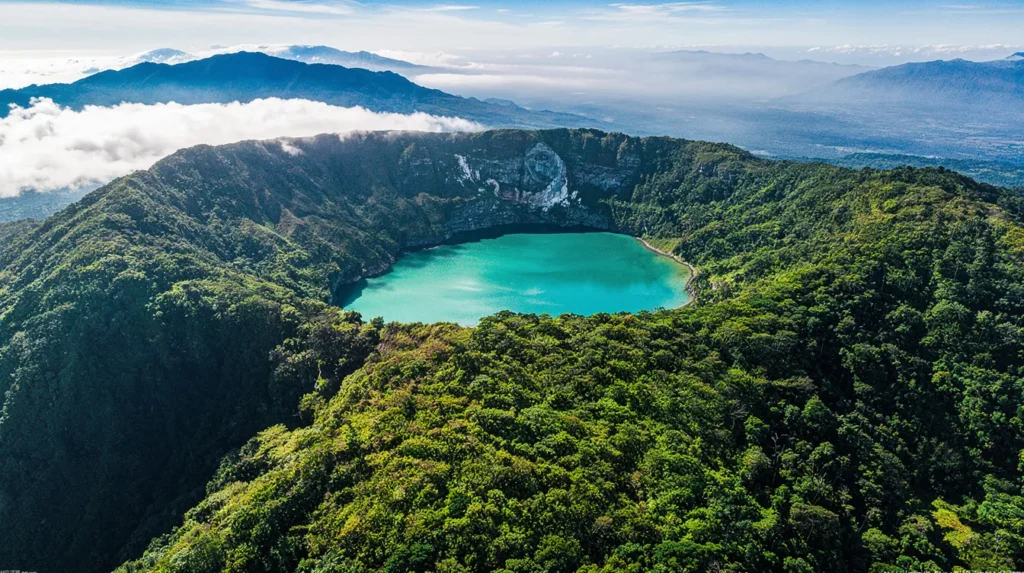
This is not a long hiking destination. The main experience is short, accessible, and dramatic: visitors walk to the main crater viewpoint to see one of Costa Rica’s most impressive active volcanic landscapes. On a clear day, you can see the massive crater, mineral stained rock, steam activity, and the acidic crater lake below. The view feels completely different from the beach and rainforest images most people associate with Costa Rica.
Poás is an active stratovolcano with a large main crater and Laguna Caliente, an acidic crater lake that changes depending on volcanic activity. The park also protects high elevation cloud forest and volcanic habitat, with mossy vegetation, cooler air, mist, wind, and plants adapted to a very different environment than the lowland tropics. Laguna Botos, a second crater lake surrounded by cloud forest, can sometimes be part of the experience, but access depends on current trail and safety conditions.
Poás is best for travelers who want an easy volcano experience, dramatic views, and a different side of Costa Rica without committing to a remote or difficult hike. It is especially good for visitors staying in San José, Alajuela, or the Central Valley who want a half day or full day nature experience with simple logistics.
The surrounding highland area is a big part of what makes the day worth it. After the crater visit, travelers can explore Poasito, Fraijanes, coffee farms, strawberry farms, dairy farms, scenic viewpoints, and traditional Costa Rican restaurants with mountain views. A coffee experience, such as Hacienda Alsacia by Starbucks, or a visit to nearby La Paz Waterfall Gardens can turn Poás into a more complete full day itinerary.
If you plan to visit Poás Volcano National Park, check the official SINAC website before going because the park can close due to volcanic activity, gas, or weather conditions. Buy tickets online in advance, go early for the best chance of clear views, and bring a jacket or sweater because the summit area can be cold, windy, and misty.
If you are visiting Poás from San José, Escazú, Santa Ana, or the Central Valley, see our private transportation in Costa Rica service for airport pickups, private drivers, and full-day volcano transfers.
Tortuguero National Park
Tortuguero National Park is one of Costa Rica’s most iconic wildlife destinations, located on the northeastern Caribbean coast in Limón Province. This is not a park you mainly experience by road or long hiking trails. Tortuguero is a water based rainforest destination, famous for its canals, lagoons, rivers, wetlands, dense jungle, and sea turtle nesting beaches.
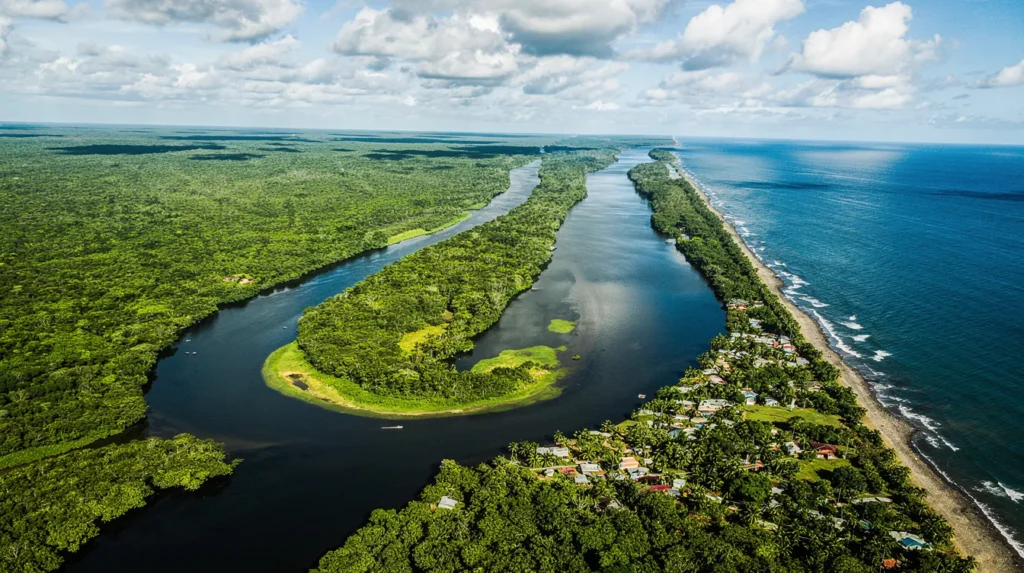
The experience here feels completely different from Manuel Antonio or Poás. Tortuguero is flat, humid, remote, and surrounded by water. Visitors explore the park mostly by boat, canoe, or kayak, moving slowly through rainforest canals while looking for monkeys, birds, caimans, iguanas, river turtles, and tropical vegetation. It is often called Costa Rica’s “Little Amazon” because the waterways are the main way people move through the region.
Tortuguero is best known for sea turtle nesting, especially green sea turtles. The park protects nesting beaches for several turtle species, including green turtles, leatherbacks, hawksbills, and loggerheads. Turtle nesting tours are done at night with authorized guides and strict conservation rules. Visitors should not use flash photography, lights, or anything that could disturb the turtles.
The main daytime activity is a canal tour. Early morning is usually best because wildlife is more active, the light is softer, and the rainforest feels fully awake. Canoe and kayak tours can feel even more intimate than motorboat tours because you move quietly and hear the birds, insects, water, and forest sounds more clearly.
Wildlife is one of the main reasons to visit Tortuguero. Visitors may see sloths, toucans, herons, kingfishers, caimans, iguanas, river turtles, frogs, monkeys, and many tropical birds. The experience is less about walking up to animals on a trail and more about observing the rainforest from the water, which makes the park feel wild, immersive, and different from the more accessible Pacific coast parks.
Tortuguero village also adds to the experience. It is small, walkable, and located between the canals and the Caribbean beach. There are no normal cars in the main village area, which gives it a very different feeling from busier beach towns like Tamarindo, Jacó, or Manuel Antonio. The village has small hotels, local restaurants, guides, tour operators, and a relaxed Caribbean atmosphere.
Getting to Tortuguero takes more planning than many other Costa Rica national parks. Most visitors arrive by road to a river dock such as La Pavona, then continue by boat through the canals. Some travelers also arrive by small plane. That remoteness is part of the appeal, but it means logistics matter. Tortuguero is ideal for travelers who want sea turtles, water based rainforest, birds, reptiles, and a deeper Caribbean lowland experience rather than a simple roadside park visit.
Irazú Volcano National Park
Irazú Volcano National Park is home to the highest volcano in Costa Rica, reaching 3,432 meters above sea level. It is located in Cartago Province, about 31 kilometers from the city of Cartago, and is one of the easiest major volcanoes to visit from San José or the Central Valley. For travelers who want a dramatic volcanic landscape without a difficult hike, Irazú is one of the best national parks in Costa Rica to consider.
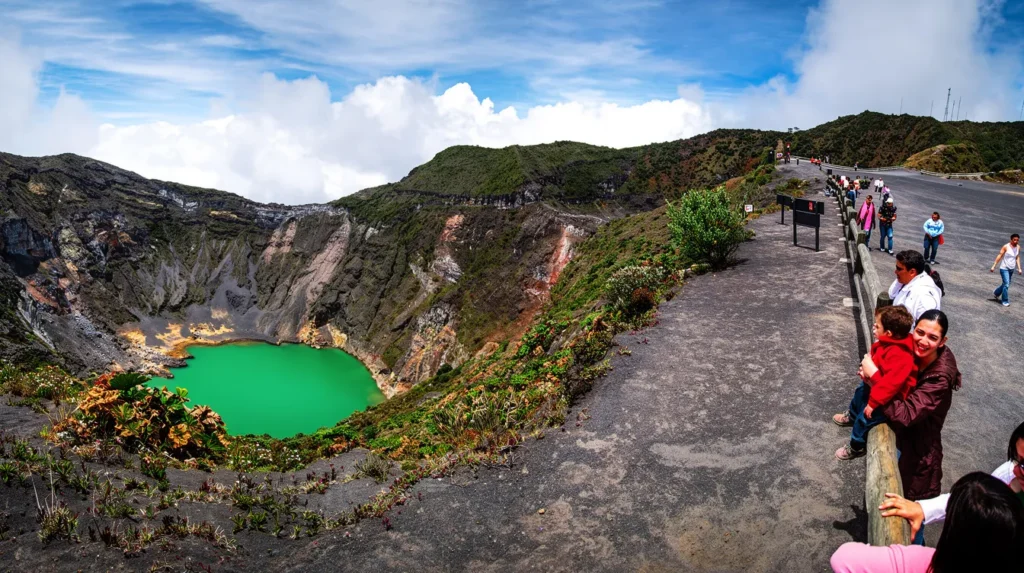
The main experience is in the Craters Sector, where visitors can drive close to the summit area and walk short paths to see the volcanic landscape. The terrain feels completely different from the tropical side of Costa Rica. Instead of rainforest, beaches, or dense jungle, Irazú has cold wind, open views, dark volcanic soil, low vegetation, mist, and a stark high-altitude environment that can feel almost lunar when the clouds move through.
Irazú is best known for its crater complex and its elevation. The park includes several volcanic features, including the Principal Crater, Diego de la Haya Crater, Playa Hermosa, and the Sapper formation, the highest point of the massif. On exceptionally clear days, one of the famous highlights is the possibility of seeing both the Pacific Ocean and the Caribbean Sea from the summit area, although visibility depends heavily on weather.
This is not mainly a wildlife park. Visitors should not expect the easy monkey and sloth sightings of Manuel Antonio or the boat-based wildlife of Tortuguero. The appeal here is geology, altitude, volcanic scenery, cold mountain air, and the feeling of standing on one of Costa Rica’s most unusual landscapes. In the greener parts of the park, especially the Prusia Sector, the experience shifts toward forest trails, mossy vegetation, picnic areas, and a quieter mountain atmosphere.
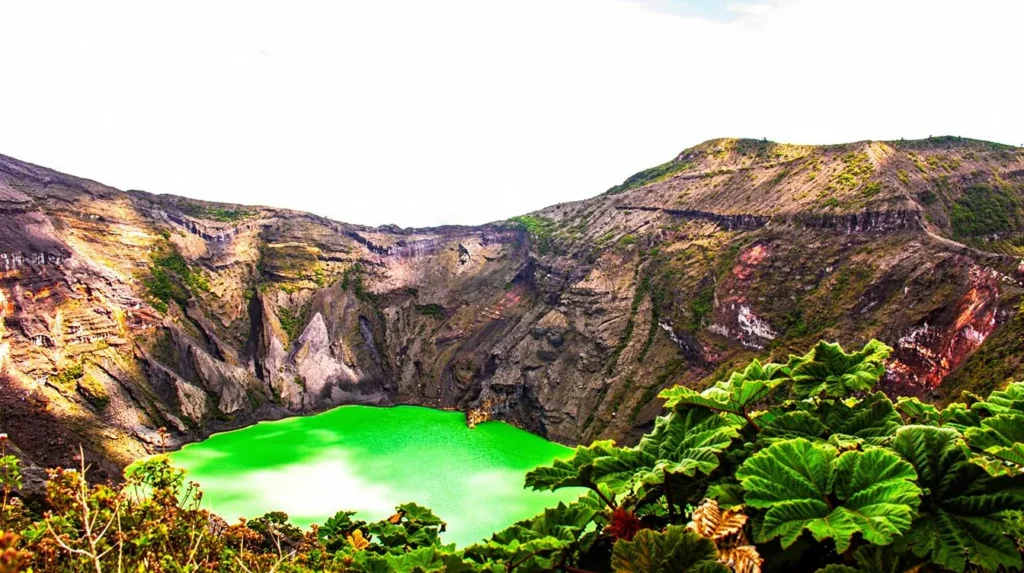
Irazú works especially well as part of a full-day trip from San José, Cartago, or the Central Valley. The crater visit itself can be relatively short, so the best itinerary is usually to combine it with nearby stops such as Cartago, the Basílica de Nuestra Señora de los Ángeles, Orosi Valley, Lankester Botanical Garden, local mountain restaurants, scenic viewpoints, or the Prusia Sector if you want a longer forest walk.
If you plan to visit Irazú Volcano National Park, go as early as possible because clouds and fog can cover the crater later in the day. Buy tickets online through SINAC, bring a jacket or sweater, and remember that the altitude is high enough for some visitors to feel lightheaded or short of breath. Irazú is ideal for travelers who want an easy volcano day trip, dramatic crater views, and a colder highland side of Costa Rica without committing to a long or difficult hike.
Marino Ballena National Park
Marino Ballena National Park is Costa Rica’s signature marine national park, located on the South Pacific coast in Uvita, in Puntarenas Province. This is one of the most distinctive national parks in Costa Rica because it protects both coastal land and ocean habitat. Unlike Manuel Antonio, which is known for rainforest and beaches, or Poás and Irazú, which are volcano experiences, Marino Ballena is mainly about the sea.
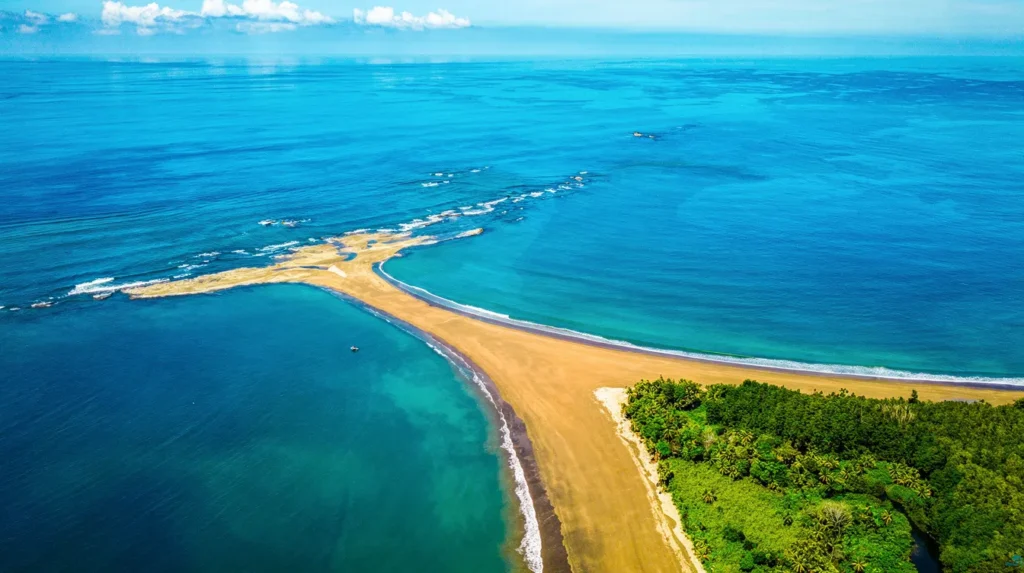
The park is best known for humpback whales, dolphins, beaches, reefs, islands, rock formations, and the famous whale-tail sandbar. At low tide, the natural formation known as the Cola de la Ballena becomes visible and creates the shape of a whale’s tail when seen from above. It is one of the most iconic coastal images in Costa Rica and the main reason many travelers recognize Uvita.
Whale watching is the biggest draw. Marino Ballena is one of the best places in Costa Rica to see humpback whales because whales visit the area during two migration seasons. Southern Hemisphere humpbacks are generally associated with July to November, while Northern Hemisphere humpbacks are generally associated with December to April. Dolphins can also be seen in the area throughout the year, although wildlife sightings are never guaranteed.
The park experience is more beach and ocean focused than hiking focused. Visitors come to walk the beaches, visit the whale-tail sandbar at low tide, take whale and dolphin watching tours, go kayaking, snorkel or dive when conditions are good, surf, and enjoy the dramatic South Pacific scenery. The coastline here feels greener and wilder than many of Costa Rica’s more developed beach areas, with rainforest-covered mountains rising behind the ocean.
Uvita is the main town for visiting Marino Ballena, with hotels, restaurants, tour operators, supermarkets, surf schools, and whale watching companies. The broader area also pairs well with Dominical, Ojochal, Nauyaca Waterfalls, Caño Island tours, and longer South Pacific itineraries toward Sierpe, Drake Bay, Puerto Jiménez, or Corcovado. This is one of the best regions in Costa Rica for travelers who want ocean, rainforest, waterfalls, and wildlife in the same trip.
If you plan to visit Marino Ballena National Park, check the tide before going, especially if you want to walk to the whale-tail sandbar. Go early or later in the afternoon for more comfortable beach conditions, bring sun protection, water, and footwear for sand and rocks, and use responsible operators for whale watching. Marino Ballena is ideal for whale watching travelers, families, couples, photographers, ocean lovers, and anyone who wants a wilder South Pacific beach experience rather than a resort-style beach club setting.
Volcán Tenorio National Park
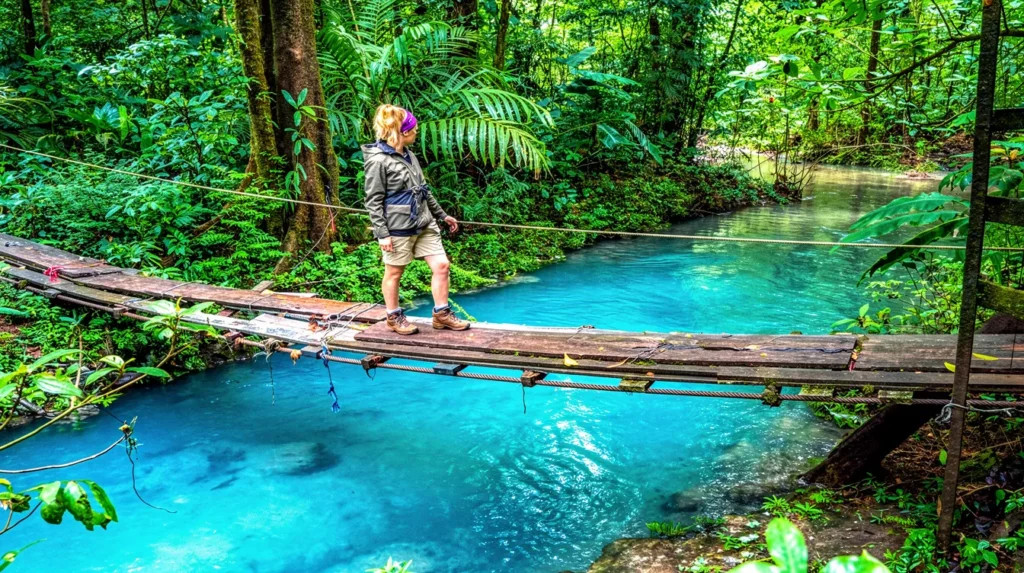
Volcán Tenorio National Park is one of the most visually unique national parks in Costa Rica, located in northern Costa Rica between Alajuela and Guanacaste. The park is best known for Río Celeste, the bright blue river and waterfall that has become one of the country’s most famous natural attractions. This is not a classic volcano crater viewpoint like Poás or Irazú. The main experience here is a rainforest hike through a volcanic landscape.
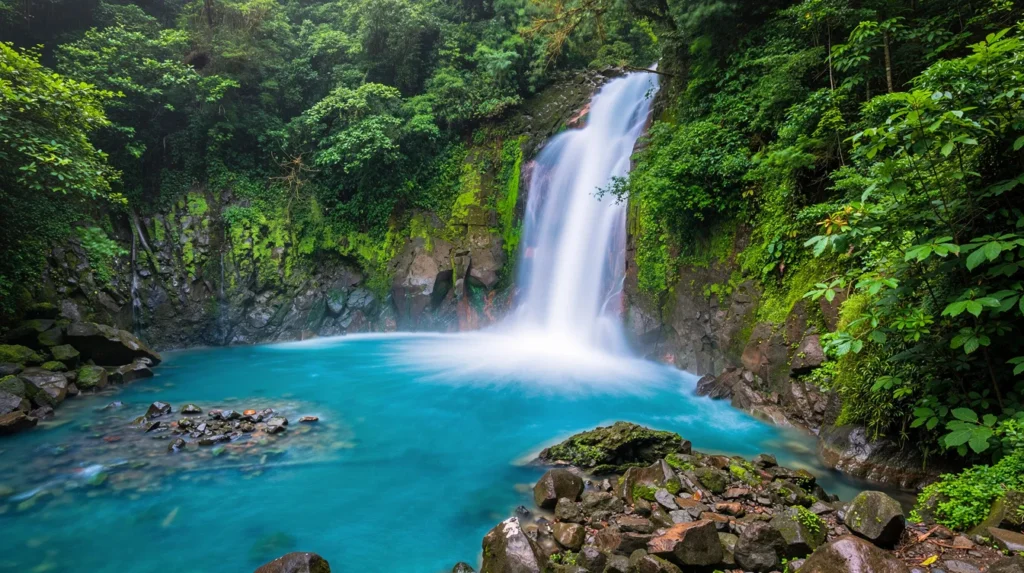
The highlight is Río Celeste Waterfall, where blue water drops through dense green forest into one of the most recognizable scenes in Costa Rica. The color can look almost unreal in the right conditions, but it is a natural effect created by mineral particles in the water. One of the most interesting stops in the park is Teñideros, where two clear rivers meet and the blue color of Río Celeste begins.
The main trail also includes rainforest, river scenery, Laguna Azul, and Borbollones, a geothermal area where volcanic gases bubble through the water. These features make Tenorio feel different from a normal waterfall hike. You are not just walking to a pretty viewpoint. You are moving through a wet tropical forest shaped by volcanic activity, minerals, rivers, and geothermal energy.
Volcán Tenorio is also a strong nature park. The forest is dense, humid, and very green, with large leaves, ferns, vines, heliconias, mosses, and tropical vegetation along the trail. Wildlife sightings are possible, including monkeys, coatis, sloths, toucans, hummingbirds, motmots, frogs, lizards, and many rainforest birds, although animals are not as easy to spot here as they are in Manuel Antonio. A guide is useful if wildlife, birds, plants, and the volcanic features are a priority.
The main base for visiting the park is Bijagua, a quiet mountain town with lodges, restaurants, farms, birdwatching, and a peaceful rainforest feel. Tenorio also works well as a scenic stop between Arenal and Guanacaste, or as a long day trip from areas like La Fortuna, Papagayo, Tamarindo, Flamingo, or Las Catalinas with an early start. If you want a slower nature experience, staying near Bijagua is better than rushing in and out.
If you plan to visit Volcán Tenorio National Park, go early, wear real walking shoes, and expect mud. The trail can be slippery, especially in rainy periods, and heavy rain can affect both trail conditions and the intensity of the river’s blue color. Swimming is not allowed inside the national park, so treat this as a hiking and scenery experience rather than a swimming stop. Tenorio is ideal for travelers who want Río Celeste, rainforest hiking, volcanic features, photography, and a greener inland experience away from the beach towns.
Cahuita National Park
Cahuita National Park is one of the most beautiful Caribbean coastal parks in Costa Rica, located in Limón Province beside the small town of Cahuita and about 20 minutes north of Puerto Viejo. It combines white sand beaches, turquoise Caribbean water, tropical forest, easy wildlife viewing, and coral reef protection, making it one of the best national parks in Costa Rica for travelers who want a relaxed coastal nature experience without difficult hiking.
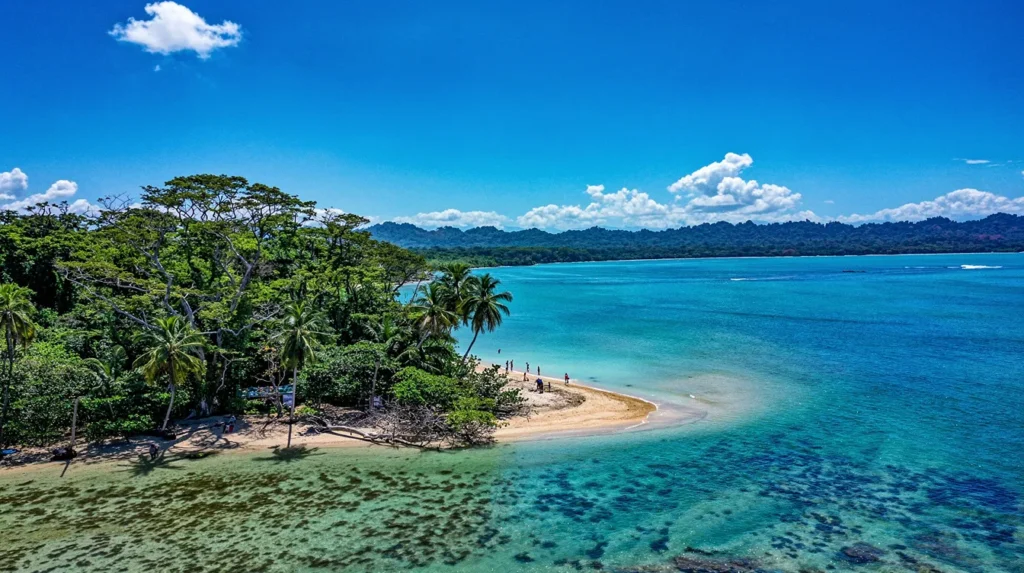
The park protects both land and marine ecosystems. On land, visitors can walk through coastal forest, tropical vegetation, swamp forest, beach areas, and wildlife habitat. In the ocean, Cahuita protects one of the most important coral reef systems on Costa Rica’s Caribbean coast, with reef fish, corals, marine invertebrates, sea turtles, and other coastal marine life.
The main experience is the coastal trail, which follows the shoreline through forest and beach scenery. It is mostly flat and much easier than mountain parks like Tenorio, Rincón de la Vieja, or Chirripó. Visitors can walk at a relaxed pace, look for wildlife, stop for photos, enjoy the beach, and continue toward scenic areas like Punta Cahuita when conditions and timing allow.
Cahuita is especially good for wildlife because animals are often visible close to the trail. Visitors may see sloths, howler monkeys, white-faced capuchin monkeys, raccoons, coatis, iguanas, basilisks, crabs, butterflies, toucans, and other tropical birds. Like Manuel Antonio, it is one of the easier parks for casual wildlife sightings, but the experience feels more Caribbean, slower, and less developed.
Snorkeling is one of Cahuita’s signature activities, but reef access is regulated because the coral is protected and fragile. Visitors should use authorized guides, follow park rules, and never touch or stand on coral. Conditions also matter. The Caribbean can be clear and calm one day, then cloudy or rough the next, so snorkeling depends on weather, visibility, currents, and local guidance.
The nearby town of Cahuita adds a lot to the experience. It is small, relaxed, walkable, and closely connected to the park entrance. The wider South Caribbean region also pairs well with Puerto Viejo, Playa Negra, Playa Cocles, Punta Uva, Gandoca Manzanillo Wildlife Refuge, and Bribri chocolate or cultural experiences. This is one of the best areas in Costa Rica for travelers who want beach, forest, reef, wildlife, food, and Caribbean culture in the same trip.
If you plan to visit Cahuita National Park, go early for cooler temperatures and better wildlife activity. Bring water, insect repellent, sun protection, light clothing, and comfortable shoes or sandals for the coastal trail. Watch your belongings around monkeys and raccoons, do not feed wildlife, and check current park rules before arrival. Cahuita is ideal for families, wildlife lovers, casual hikers, snorkelers, and travelers staying in Cahuita or Puerto Viejo who want an easy Caribbean national park experience.
Arenal Volcano National Park
Arenal Volcano National Park is one of the most iconic national parks in Costa Rica, located in the Northern Zone near La Fortuna de San Carlos. This is one of the country’s most complete nature destinations because the national park is only one part of the larger Arenal experience. Travelers come for the volcano, old lava flows, rainforest trails, wildlife, hot springs, waterfalls, hanging bridges, adventure tours, and comfortable tourism infrastructure.
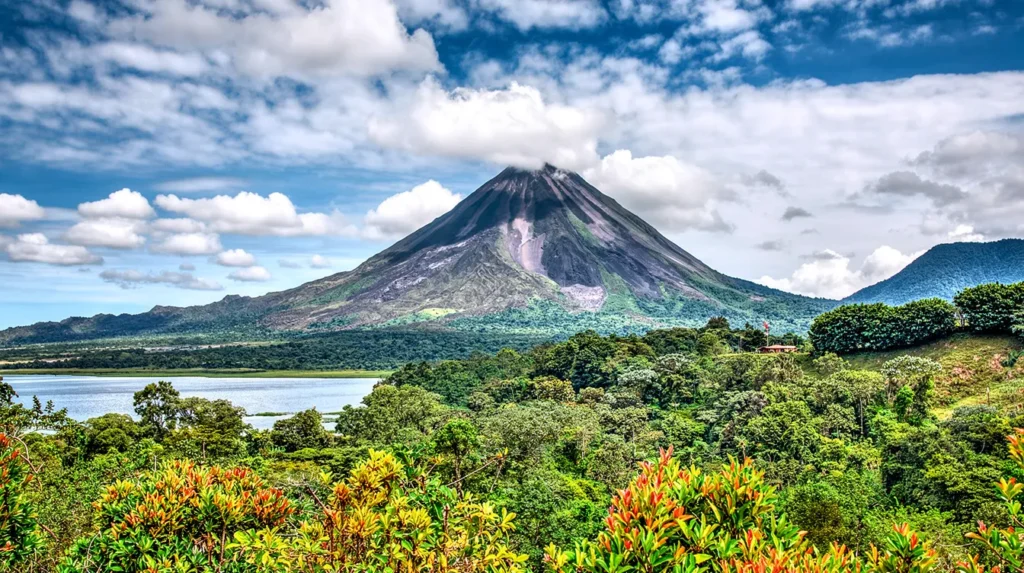
The park protects the slopes and surrounding forest of Arenal Volcano, one of the most recognizable volcanoes in Costa Rica because of its steep cone shape. Unlike Poás or Irazú, Arenal is not mainly a short crater-view experience. Visitors do not hike to the top of the volcano. The main park experience is walking through forest trails, seeing old lava flow areas, learning about the 1968 eruption, and enjoying viewpoints of the volcano and Lake Arenal when the weather is clear.
Arenal is best known for its eruption history and dramatic volcanic landscape. The 1968 eruption changed the region and shaped much of what visitors see today. Trails through old lava rock help explain the power of the volcano, while forest regeneration around the lava flows gives the park a strong mix of geology and rainforest. On clear days, the volcano views are some of the most impressive in Costa Rica.
The park itself is a strong nature experience, but the surrounding La Fortuna region is what makes Arenal one of the best places to visit in Costa Rica. Travelers can combine a national park hike with La Fortuna Waterfall, natural hot springs, Mistico Hanging Bridges, wildlife night walks, rafting, canyoning, zip lining, horseback riding, chocolate tours, coffee tours, Lake Arenal, and scenic private reserves. This is one of the easiest places in the country to build a full itinerary around nature, adventure, and comfort.
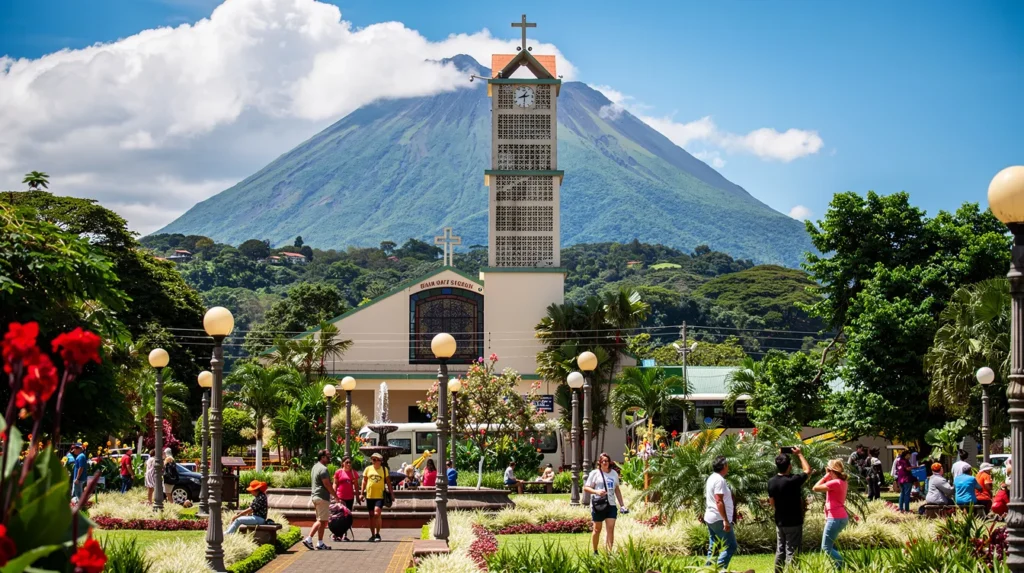
Wildlife is also part of the appeal, especially in the broader Arenal area. Visitors may see howler monkeys, white-faced capuchin monkeys, coatis, toucans, parrots, hummingbirds, motmots, frogs, lizards, snakes, butterflies, and many rainforest birds. Wildlife is not as easy or concentrated as in Manuel Antonio, but Arenal is excellent for travelers who want a greener, more immersive rainforest and volcano destination.
La Fortuna is the main base for visiting Arenal Volcano National Park. It has hotels, restaurants, cafés, supermarkets, tour operators, hot spring resorts, and easy access to most activities in the area. Travelers who want convenience usually stay near La Fortuna, while those who want quieter volcano views may prefer properties closer to the volcano, Lake Arenal, or El Castillo.
If you plan to visit Arenal Volcano National Park, go in the morning for the best chance of clear volcano views, wear real walking shoes, and bring rain protection because the weather can change quickly. The park can be visited in a few hours, but Arenal as a destination deserves at least two or three nights if your itinerary allows it. This is ideal for first-time visitors, families, couples, adventure travelers, and luxury travelers who want volcano views, rainforest, hot springs, wildlife, and a strong mix of activities without going extremely remote.
If you want a deeper Arenal experience, Bespoke Costa Rica can arrange a private naturalist guide for the national park, hanging bridges, wildlife walks, La Fortuna Waterfall, and the best nature experiences around the volcano.
If you want to reduce drive time, see our Costa Rica air charter service for helicopter transfers and private flights between Arenal, San José, Guanacaste, and other regions.
Corcovado National Park
Corcovado National Park is Costa Rica’s most important wilderness national park and one of the most biodiverse rainforest destinations in Central America. It is located on the Osa Peninsula, in the South Pacific region of Costa Rica, and it feels very different from easier parks like Manuel Antonio, Poás, Irazú, or Arenal. This is not a quick scenic stop or a simple beach walk. Corcovado is a remote rainforest expedition park.
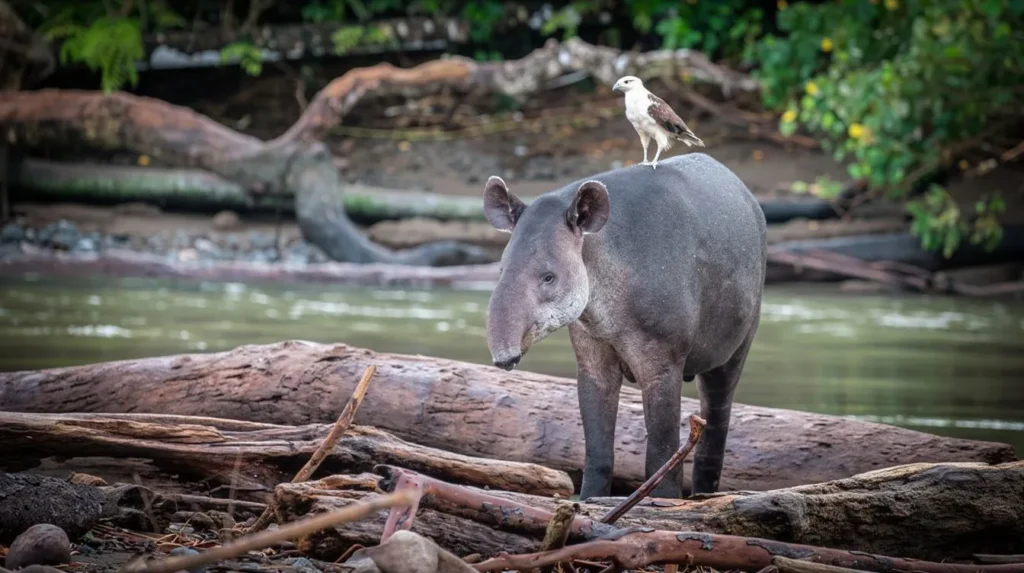
The park protects primary rainforest, rivers, mangroves, lagoons, wetlands, wild beaches, and some of the richest wildlife habitat in the country. This is one of the best national parks in Costa Rica for travelers who want the feeling of entering real tropical wilderness. The forest is hot, humid, dense, and alive, with fewer services and more logistical complexity than the country’s more accessible parks.
Corcovado is best known for serious wildlife viewing. Visitors may see Baird’s tapirs, scarlet macaws, howler monkeys, spider monkeys, white-faced capuchin monkeys, squirrel monkeys, coatis, peccaries, anteaters, sloths, toucans, crocodiles, caimans, frogs, snakes, lizards, butterflies, and many tropical birds. Big cats such as jaguars and pumas live in the park, but sightings are rare and should not be expected.
The most famous area is Sirena Station, which is often considered one of the strongest wildlife zones in Costa Rica. Other sectors include San Pedrillo, La Leona, Los Patos, El Tigre, and Los Planes, each with a different style of access and difficulty. Choosing the right sector matters because Corcovado is not one single easy trail. Some visits are boat-based day trips, while others involve long, hot, muddy hikes, river crossings, remote beaches, and overnight stays.
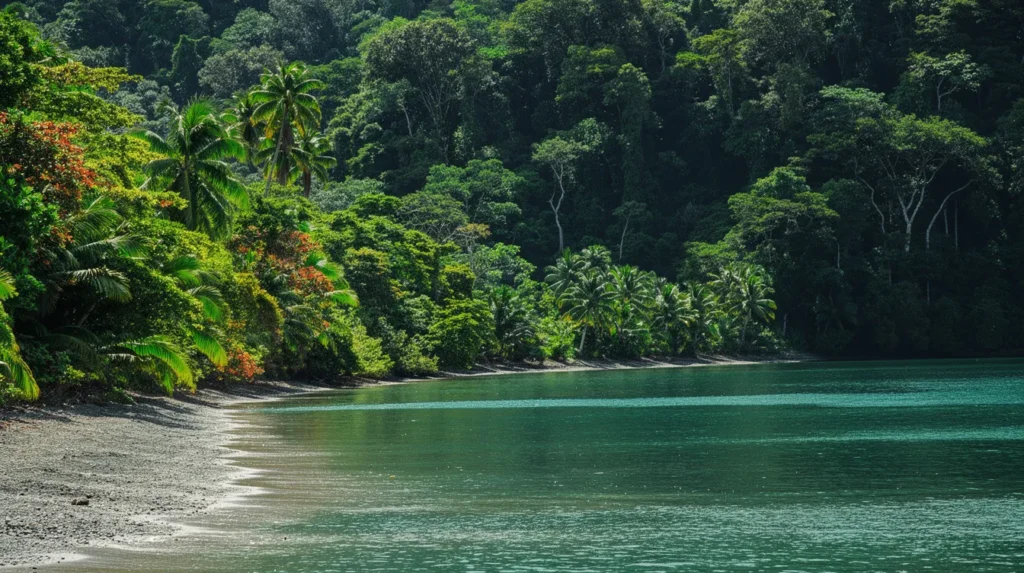
Corcovado is mandatory with an authorized guide, and that is part of what makes the experience better. A good guide helps with safety, wildlife spotting, tracks, plants, river crossings, tides, and park rules. This is not the type of park where visitors should arrive casually and improvise. Reservations, transportation, meals, guide coordination, route choice, and timing all matter.
The main bases for visiting Corcovado are Drake Bay and Puerto Jiménez. Drake Bay is popular for boat access to Sirena and San Pedrillo, and it pairs well with Caño Island snorkeling or diving. Puerto Jiménez is a strong base for the eastern and southern side of the Osa Peninsula, including La Leona, Carate, Los Patos, and longer Corcovado itineraries.
If you plan to visit Corcovado National Park, decide first whether you want a day trip or a deeper overnight experience. A day trip can be excellent, especially from Drake Bay, but an overnight trip gives you more time in the forest and better early or late wildlife windows. Bring real hiking shoes, lightweight clothing, rain protection, insect repellent, water, dry bags, sun protection, and binoculars. Corcovado is ideal for serious nature travelers, wildlife lovers, birdwatchers, photographers, adventure travelers, and fit families who want Costa Rica at its wildest rather than its most convenient.
Rincón de la Vieja National Park
Rincón de la Vieja National Park is Guanacaste’s most important volcano national park and one of the best places in Costa Rica to experience volcanic activity, dry forest, waterfalls, hot springs, and adventure in one destination. It is located northeast of Liberia, making it one of the best national parks for travelers staying in Papagayo, Playa Hermosa, Las Catalinas, Flamingo, Tamarindo, or other Guanacaste beach areas.
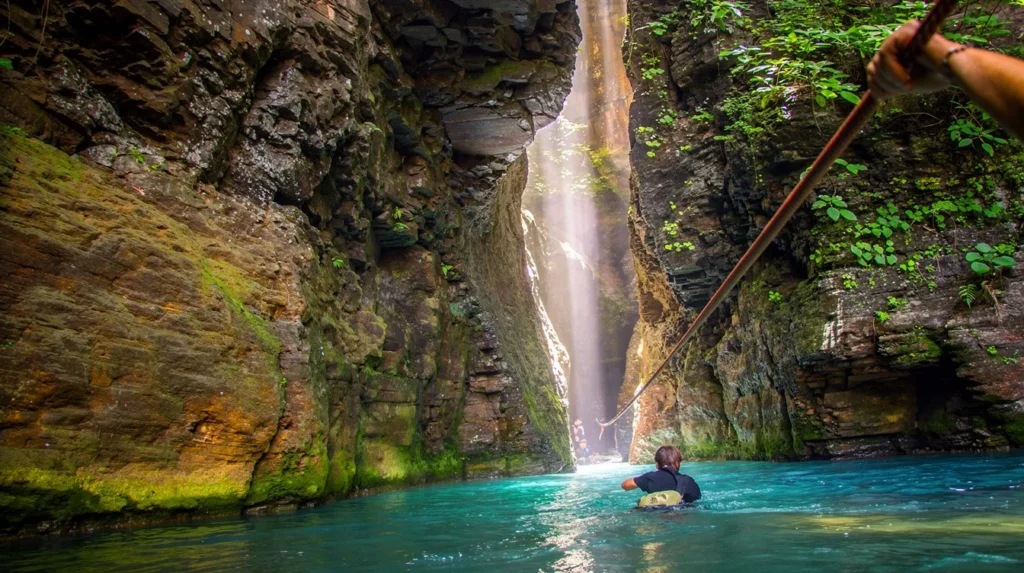
This is not a classic crater-view park like Poás or Irazú. The main experience is not standing at a viewpoint and looking into a crater. Rincón de la Vieja is more active and rugged, with trails that pass through dry tropical forest, boiling mud pots, steam vents, fumaroles, sulfur smells, rivers, waterfalls, and geothermal activity. It is one of the easiest ways to add a real volcano and forest experience to a beach-focused Guanacaste itinerary.
The most visited area is the Las Pailas Sector, where travelers can walk a relatively manageable loop trail through forest and volcanic features. This is the classic Rincón de la Vieja experience: bubbling mud, steam rising from the ground, volcanic soil, dry forest, and the feeling that the landscape is still alive beneath your feet. It feels very different from Arenal, which is greener and more polished, and from Tenorio, which is more focused on rainforest and Río Celeste.
Rincón de la Vieja is also known for waterfalls and adventure activities, although many of the most popular experiences are on private properties near the national park rather than inside the park itself. Travelers often combine the park with Oropéndola Waterfall, Río Negro Hot Springs, volcanic mud baths, tubing, horseback riding, ziplining, or a full adventure day around Hacienda Guachipelín. That combination makes the area especially useful for families, groups, and active travelers who want more than a simple nature walk.
The park protects an important mix of ecosystems, from Guanacaste dry forest to wetter mountain and cloud forest environments at higher elevations. Wildlife sightings may include howler monkeys, white-faced capuchin monkeys, coatis, agoutis, deer, armadillos, iguanas, toucans, motmots, parrots, hawks, butterflies, reptiles, and many dry forest bird species. Wildlife is not as easy to see as in Manuel Antonio, but the variety of forest, volcanic terrain, and elevation changes makes the park ecologically interesting.
Rincón de la Vieja is best for travelers who want a volcano day trip from Guanacaste without driving all the way to Arenal or the Central Valley volcanoes. It works especially well from Liberia, Papagayo, Playa Hermosa, Playas del Coco, Las Catalinas, Flamingo, and Tamarindo. For luxury travelers staying on the coast, it is one of the best ways to break up a beach itinerary with forest, waterfalls, hot springs, and adventure.
If you plan to visit Rincón de la Vieja National Park, go early because Guanacaste can get very hot, especially in the dry season. Check which sector you are visiting, reserve online through SINAC when required, and do not assume the crater trail is open because volcanic activity can affect access. Wear real walking shoes, bring water and sun protection, and understand the difference between the national park itself and the private adventure attractions nearby. Rincón de la Vieja is ideal for active travelers who want volcanic features, dry forest, waterfalls, hot springs, and a strong contrast to the beach resorts of Guanacaste.
If you are visiting Rincón de la Vieja from Four Seasons, Peninsula Papagayo, Liberia, Playa Hermosa, Las Catalinas, Flamingo, or Tamarindo, see our private transportation in Costa Rica service for private drivers, luxury SUVs, and full-day Guanacaste transfers.
Final thoughts on the best national parks in Costa Rica
Costa Rica’s national parks are one of the main reasons the country feels so different from other tropical destinations. In one trip, travelers can see active volcanoes, cloud forest, rainforest, Caribbean canals, coral reefs, whale watching areas, wild Pacific beaches, dry tropical forest, waterfalls, and some of the richest wildlife habitats in Central America.
The best park depends on the trip you want. Manuel Antonio is ideal for easy wildlife and beach. Tortuguero is best for canals, turtles, and Caribbean rainforest. Poás and Irazú are great for accessible volcano day trips from the Central Valley. Arenal is best for a complete volcano, hot springs, and adventure destination. Corcovado is the strongest choice for serious rainforest and wildlife. Marino Ballena is best for whales and South Pacific scenery. Tenorio is famous for Río Celeste, while Cahuita offers Caribbean beaches, coral reef, and relaxed wildlife viewing. Rincón de la Vieja is the best volcano and adventure park for travelers staying in Guanacaste.
For most visitors, the smartest itinerary is not to try to see every park. It is better to choose two or three regions that work well together and build the trip around the right mix of beaches, rainforest, volcanoes, wildlife, comfort, and travel time.
A good naturalist guide can completely change the experience. In Costa Rica, many of the best moments are easy to miss if you do not know what you are looking at: a sloth hidden in the trees, a bird call in the canopy, animal tracks on the trail, volcanic geology, medicinal plants, turtle nesting behavior, or the difference between forest ecosystems. If you are looking for private naturalist guides to visit these parks, Bespoke Costa Rica can help arrange expert guides, private transportation, curated experiences, and a full itinerary built around your travel style.
Send us a WhatsApp message with your dates and group size, and we will begin planning your perfect vacation.