

Flying by private jet to Costa Rica is usually straightforward, but the details matter. The right airport, handler, arrival plan, parking approval, and onward transfer can make the difference between a smooth VIP arrival and a trip that starts with delays, confusion, or unnecessary driving.
For most travelers, the two main private aviation gateways are San José International Airport, known as SJO or MROC, and Guanacaste Airport in Liberia, known as LIR or MRLB. SJO is usually best for San José, the Central Valley, Arenal, Manuel Antonio, Osa, and southern Costa Rica. LIR is usually best for Peninsula Papagayo, Four Seasons, Waldorf Astoria, Nekajui, Andaz, Las Catalinas, Tamarindo, Nosara, and most luxury beach trips in Guanacaste.
Costa Rica also has other international airports and many domestic airstrips, but not every runway is appropriate for every aircraft. A large private jet cannot simply land anywhere in the country. International arrivals need to use an official Airport of Entry, and any domestic continuation needs to be planned correctly with the operator, handler, and local aviation requirements.
This guide explains how private aviation works in Costa Rica, which airport to choose, what VIP arrival really means, what to know about customs and immigration, where aircraft can park, and how to continue from the runway to your villa, resort, yacht, or rainforest destination.
For VIP arrivals, private ground transportation, and time-saving helicopter transfers after landing, see our guides to private transportation in Costa Rica and how to book helicopter transfers in Costa Rica.
Best airports for private jets in Costa Rica
For most private jet passengers, the airport decision comes down to SJO vs LIR.
San José International Airport, SJO/MROC, is Costa Rica’s main international airport and the country’s most established private aviation gateway. It is the best choice for San José, Escazú, Santa Ana, the Central Valley, Arenal, Manuel Antonio, Osa, Dominical, Pérez Zeledón, and many itineraries that continue by helicopter, domestic aircraft, or private ground transfer.
SJO is also the strongest option when the client wants the most established private terminal experience. The airport has a General Aviation Terminal, and Universal Aviation describes its SJO operation as Costa Rica’s first and only general aviation terminal at the airport, with services that can include flight support, ground transportation, hotel coordination, catering, and helicopter or yacht transfers. Universal’s SJO guide also recommends at least 48 hours of notice for ground handling at MROC.
Guanacaste Airport, LIR/MRLB, is the best choice for most luxury beach travel in northern Costa Rica. If the final destination is Peninsula Papagayo, Four Seasons Costa Rica, Andaz, Waldorf Astoria Guanacaste, Nekajui, Las Catalinas, Tamarindo, Playa Flamingo, Hacienda Pinilla, Nosara, or northern Guanacaste, LIR usually makes more sense than SJO.
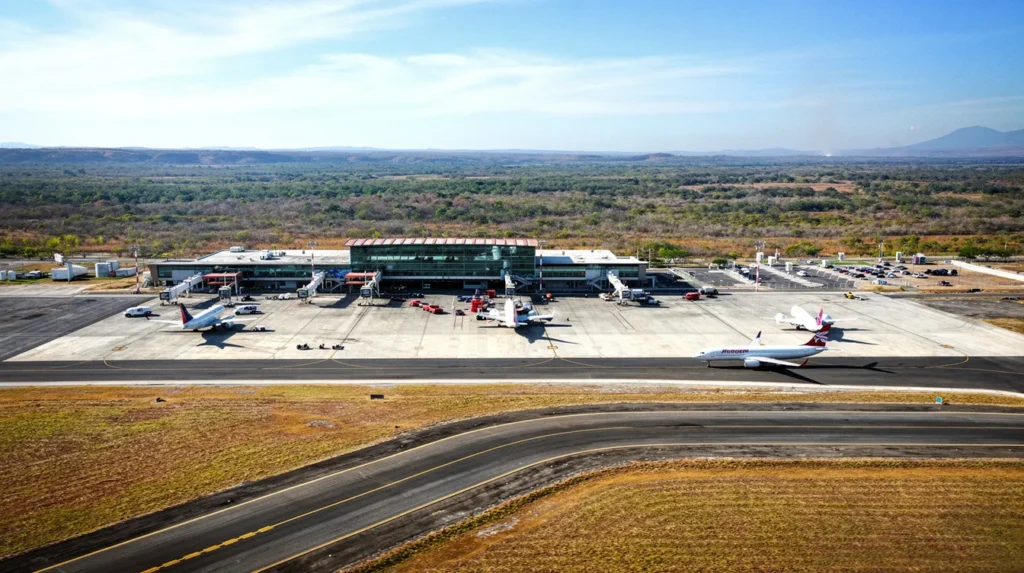
LIR is especially important for luxury travelers because Guanacaste is where many of Costa Rica’s top beach resorts, private villas, marinas, golf communities, and coastal destinations are located. For a traveler flying private from the United States, Canada, Mexico, or the Caribbean, arriving directly into Liberia can remove several hours of road travel compared with landing in San José.
There is also an important 2026 development at LIR. Signature Aviation announced plans to build and operate a new General and Business Aviation Terminal at Guanacaste Airport, with expected features including a VIP guest lounge, conference room, direct ramp access, customs and immigration clearance for private aviation, an indoor vehicle bay, and EV charging. That makes Liberia even more important for private aviation in Costa Rica going forward.
Which Costa Rica airport should you choose?
For Papagayo, Four Seasons, Andaz, Waldorf Astoria, Nekajui, Las Catalinas, Tamarindo, Flamingo, Pinilla, Nosara, and most Guanacaste beach trips, choose LIR.
For San José, Escazú, Santa Ana, the Central Valley, Arenal, Manuel Antonio, Dominical, Pérez Zeledón, Osa, and many southern Costa Rica itineraries, choose SJO.
The airport is not just about runway access. It affects the full arrival experience: customs and immigration, handler coordination, aircraft parking, luggage movement, helicopter transfers, private driver timing, crew logistics, and how quickly guests can reach the property.
For example, a family staying at Four Seasons or Nekajui should usually arrive through Liberia. A family staying in Arenal or traveling onward to Osa may be better served through San José, especially if they are continuing by helicopter or domestic aircraft.
If you are still deciding where to base the trip, see our Best Places to Visit in Costa Rica guide before choosing the airport. In Costa Rica, choosing the right arrival point can protect several hours of vacation time.
Costa Rica Airports of Entry for private flights
Costa Rica has four main Airports of Entry for international arrivals:
San José International Airport, SJO/MROC, is the main gateway for the Central Valley and many high-end itineraries that continue to Arenal, Manuel Antonio, Osa, or the South Pacific.
Guanacaste Airport in Liberia, LIR/MRLB, is the main private aviation gateway for Guanacaste and the North Pacific.
Tobías Bolaños International Airport, SYQ/MRPV, is closer to San José city center, but it has more limitations and is not the default choice for most international VIP jet arrivals.
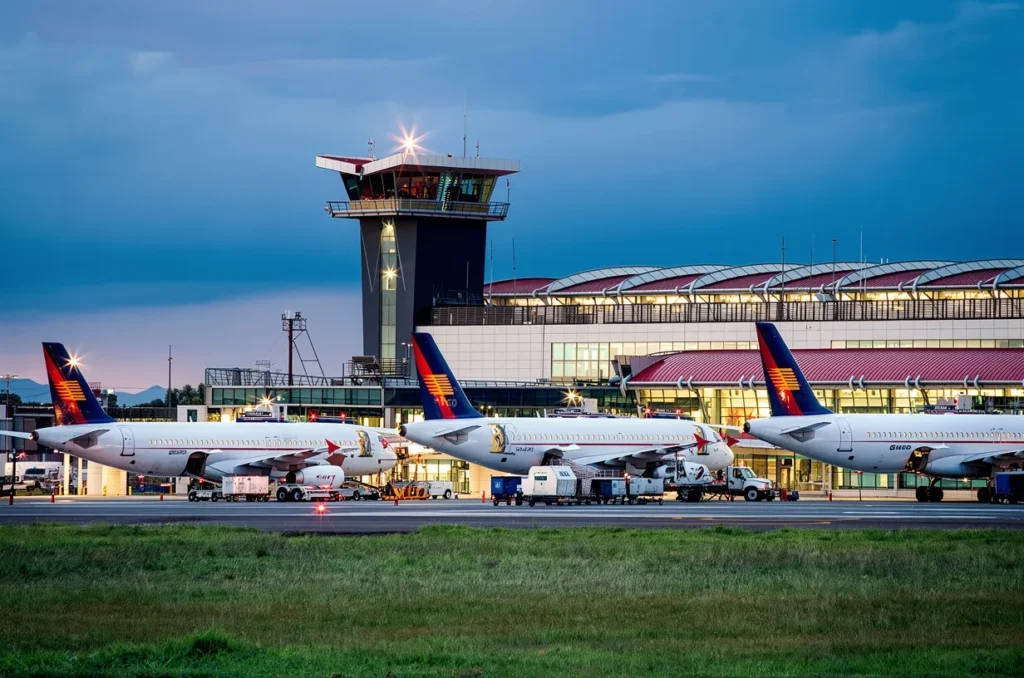
Limón International Airport, LIO/MRLM, serves the Caribbean side, but it is more niche and should be verified carefully for each specific operation.
The important rule is simple: aircraft entering or leaving Costa Rica need to use an international airport. Costa Rica’s official aviation information states that aircraft entering or leaving the country must do so from an international airport.
That matters because many travelers ask whether their private jet can land directly in Nosara, Santa Teresa, Quepos, Puerto Jiménez, Drake Bay, Tamarindo, or La Fortuna. In most cases, those are not the right airports for direct international jet arrival. They are domestic airfields used mainly by local aircraft, turboprops, and smaller aviation operations.
Can a private jet land directly in Nosara, Santa Teresa, Quepos, or Osa?
Usually, not in the way most travelers imagine.
Costa Rica has several domestic airstrips that are extremely useful for internal travel, but they are not the same as international private jet gateways. Destinations such as Nosara, Tamarindo, Cóbano/Santa Teresa, Quepos/Manuel Antonio, La Fortuna, Tortuguero, Drake Bay, Puerto Jiménez, Golfito, and Tambor are typically reached after clearing international arrival at SJO or LIR.
The normal pattern is:
International private jet arrives into SJO or LIR.
Passengers clear customs, immigration, agriculture, and security through the appropriate private aviation or airport process.
Guests continue by helicopter, domestic aircraft, or luxury SUV.
The jet either remains parked if parking is approved or repositions elsewhere until departure day.
For high-end travelers, this is usually the smarter solution. Instead of trying to force a large foreign aircraft into a limited domestic strip, the trip is planned around a clean international arrival followed by the right onward transfer. That can mean a helicopter to Peninsula Papagayo, a domestic charter to Osa, or a private driver and naturalist guide to Arenal.
If you want the fastest route between regions, see our Costa Rica Air Charter guide and Costa Rica Luxury Transportation guide.
Do private flights need permits in Costa Rica?
This depends on the type of operation.
For private non-revenue flights and technical stops, Costa Rica’s aviation procedures can be relatively straightforward when the flight plan and required information are transmitted properly. For charter flights, the requirements are more formal. DGAC’s official charter requirements document states that requests for non-scheduled passenger or cargo charter flights must be submitted at least two business days before the operation. If the company intends to operate on routes already served by regular service, the request must be submitted at least five business days in advance.

That distinction matters. Some trip-support sources describe private non-revenue and charter general aviation operations as operationally similar in Costa Rica, but for paid charter flights, the safer approach is to follow the DGAC charter process and have the handler verify the current requirement before confirming the trip.
For the traveler, the practical takeaway is this: do not treat the aviation side as a last-minute detail. Even if the flight itself is easy to arrange, the handler still needs time to coordinate the operation, aircraft documents, passenger information, crew information, parking, customs, immigration, agriculture, security, fuel, catering, and ground transport.
Parking is one of the biggest private aviation issues in Costa Rica
Aircraft parking is one of the most important details to confirm before flying private to Costa Rica.
A traveler may assume the aircraft will stay at SJO or LIR for the whole vacation. That is not always possible. During peak season, especially from late November through early April, aircraft parking can become constrained. Universal’s 2025 Costa Rica business aviation guidance notes that SJO can have parking issues during high season and that overnight general aviation parking may be restricted by NOTAM. It also notes that LIR can have overnight parking constraints during peak periods.
For a quick drop-and-go arrival, parking is usually less complicated. For a multi-day villa stay, holiday week, large aircraft, or crew waiting in country, parking needs to be confirmed early.
In practical terms, this means the aircraft may land at SJO or LIR, drop passengers, clear the arrival, and then reposition to another airport in Costa Rica or outside the country. It may return on departure day. That is normal in private aviation, but it should be planned in advance so the client is not surprised by repositioning costs or operational changes.
For affluent travelers, this is exactly where good coordination matters. The passenger experience can still feel seamless even if the aircraft repositions, as long as the handler, crew, concierge, ground transport team, and property team are aligned before arrival.
What does VIP arrival mean in Costa Rica?
VIP arrival does not mean skipping customs or immigration. Those procedures still happen.
The correct way to describe the experience is private terminal processing, coordinated customs and immigration, luggage assistance, lounge access, escorted arrival, and private ground transfer.
At SJO, private aviation passengers can use the General Aviation Terminal process. At LIR, private aviation handling is available, and the planned Signature Aviation terminal is expected to improve the private aviation experience in Guanacaste with dedicated private aviation facilities.
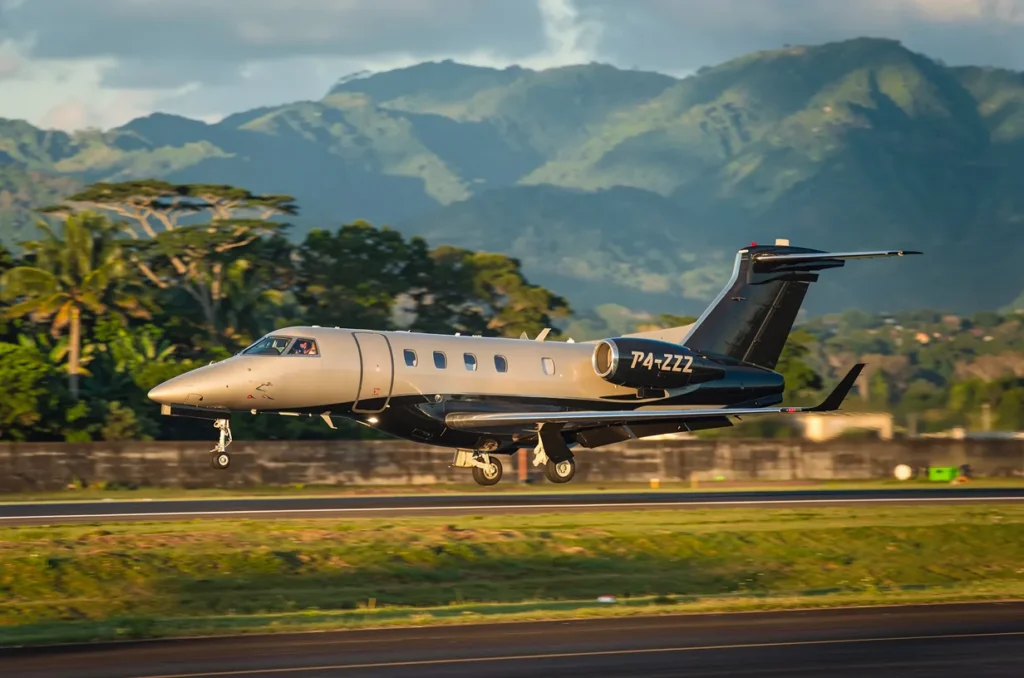
VIP arrival can also be useful for commercial passengers. Universal announced in 2024 that SJO GAT Fast Track was extended to commercial passengers, creating an expedited arrival and departure option through the GAT experience.
For private aviation travelers, the goal is not just speed. It is control. The right team can coordinate the handler, luggage, arrival timing, vehicle access, private driver, security if requested, helicopter connection, villa staff, and resort check-in.
That matters after a long flight. The guest should not land in Costa Rica and then spend the first hour trying to understand where to go, who has the luggage, which driver is waiting, or how long the transfer will take.
Customs, immigration, agriculture, and pets
All international arrivals into Costa Rica need customs, immigration, agriculture, and security coordination. For private aviation passengers, this is normally handled through the FBO, GAT, or ground handler rather than through a normal commercial passenger flow.
Passenger and crew information should be sent early. Universal notes that arrival cards are required in Costa Rica and that handlers can complete them in advance if passenger and crew information is provided before arrival.
Agriculture is also important. Fresh or unpackaged food may create issues on arrival, and onboard catering should be checked in advance. This is especially relevant for private aircraft arriving with specialty food, produce, meats, cheeses, flowers, or other items that may be subject to inspection.
Pets can enter Costa Rica, but the paperwork needs to be correct. Dogs and cats normally require proper health documentation, and the handler should precheck the requirements before the aircraft arrives. For VIP travelers bringing pets, this should not be treated casually. A missing document can create unnecessary delays.
Ground handling and FBO services
The ground handler is not just there to park the aircraft. In Costa Rica, the handler is central to the entire operation.
A good handler helps coordinate parking permission, customs and immigration, agriculture, passenger manifests, crew documents, fuel, catering, lavatory service, luggage movement, pet documentation, arrival cards, departure support, and ground transportation.
For passengers, this is what makes the arrival feel smooth. For captains and operators, this is what keeps the flight compliant and operationally clean.
At SJO, the established GAT experience is the strongest private aviation infrastructure in the country. At LIR, private aviation is already important because of Guanacaste’s luxury travel demand, and the Signature terminal development is expected to raise the level of service further in 2026.
For ultra-high-net-worth travelers, the handler should be coordinated with the concierge team, not treated as a separate piece. The aircraft arrival, ground transfer, villa arrival, luggage handling, security, and any helicopter connection should all be part of one plan.
Onward transfers from the airport
Once guests land in Costa Rica, the next decision is how to reach the destination.
For nearby destinations, a luxury SUV with a professional driver is often the most comfortable solution. For example, LIR to Peninsula Papagayo is a relatively simple transfer. SJO to Escazú, Santa Ana, or central San José is also straightforward. For ground transfers, use our booking site for private transportation in Costa Rica.

For longer routes, private aviation clients should consider helicopter transfers or domestic air charter. A helicopter can save hours when connecting to Peninsula Papagayo, Arenal, the Osa Peninsula, Santa Teresa, or remote villas. A domestic aircraft can also be useful for certain routes, especially when the group is connecting to an airstrip near the destination. For a deeper look at these options, see our guide to booking air charters in Costa Rica.
For some itineraries, the best answer is still a private driver. Costa Rica is scenic, and ground transfers can work well when the road time is reasonable, the vehicle is comfortable, and the driver knows the route. The mistake is not driving. The mistake is choosing the wrong airport and then spending half a day on a road transfer that could have been avoided.
SJO private jet arrival: best for San José, Arenal, Manuel Antonio, and Osa
SJO is the best airport when the trip starts in San José, Escazú, Santa Ana, or the Central Valley. It is also a strong gateway for Arenal, Manuel Antonio, Dominical, Pérez Zeledón, and Osa when the itinerary continues by helicopter, domestic aircraft, or private ground transfer.
For luxury travelers, SJO works especially well when the trip requires more logistical coordination. It has the country’s most established private aviation terminal setup, strong ground handling infrastructure, and good access to multiple onward travel options.
A guest could land at SJO, clear through the private aviation process, and continue by helicopter to Arenal. Another guest could land at SJO and continue by domestic aircraft toward Puerto Jiménez or Drake Bay for the Osa Peninsula. Another could use SJO for a city stop before continuing to a villa, resort, medical appointment, corporate meeting, or private event.
SJO is also usually the better airport for trips that combine San José, Arenal, Manuel Antonio, and the South Pacific. For travelers trying to see several regions in a short time, the airport strategy should be built around minimizing wasted travel time.
LIR private jet arrival: best for Papagayo, Guanacaste, Tamarindo, and Nosara
LIR is the best private jet airport for most luxury beach travel in Guanacaste.
If the final destination is Peninsula Papagayo, Four Seasons, Andaz, Waldorf Astoria Guanacaste, Nekajui, Las Catalinas, Playa Flamingo, Tamarindo, Hacienda Pinilla, or northern Guanacaste, LIR is usually the first choice.
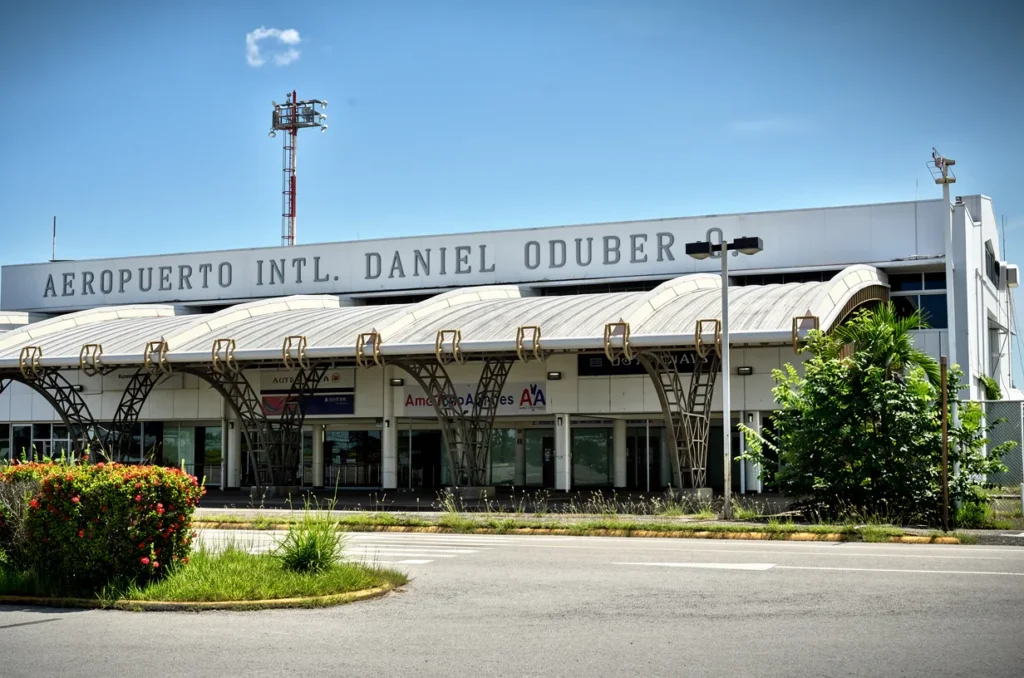
For Nosara and Santa Teresa, the answer depends on the full itinerary. LIR is often the best international entry point, but the onward transfer may still require a helicopter, domestic aircraft, or carefully planned ground transfer. Nosara and Santa Teresa are not as simple as landing a large jet directly at the destination.
The 2026 Signature Aviation terminal development is also important for LIR. Guanacaste already attracts a large share of Costa Rica’s affluent leisure travelers, and a stronger private aviation terminal should make the airport more appealing for owners, charter clients, crews, and trip-support teams.
For travelers staying at Papagayo or the top Guanacaste beach properties, LIR is usually the airport that best protects vacation time.
Weather and seasonality
Costa Rica’s weather can affect private aviation, especially in the rainy season and in mountainous regions.
The dry season, roughly December through April, is the busiest travel period and usually the easiest time for beach travel. It is also when aircraft parking can be more constrained because demand is higher.
The green season, roughly May through November, can bring heavier rain, lower clouds, and operational delays, especially in September and October. Conditions vary by region. Guanacaste is generally drier than the Central Pacific, South Pacific, and Caribbean lowlands, but weather can still affect arrivals, helicopter transfers, and domestic flights.
For private aviation travelers, the best approach is to build flexibility into the plan. Arrive earlier in the day when possible, avoid extremely tight onward connections, and have a backup ground transfer if a helicopter or domestic flight is delayed by weather.
In Costa Rica, the most elegant itinerary is not always the most aggressive one. The best itinerary gives the guest a smooth arrival and protects the first day of the trip.
Documents passengers and crew should prepare
Passenger requirements depend on nationality, but travelers should have valid passports and any visa documents required for their citizenship. Many U.S., Canadian, and European travelers can enter Costa Rica without a tourist visa for leisure stays, but the operator or concierge team should still verify the current requirements before travel.
Crew and aircraft documents should be handled by the operator and ground handler. These may include crew licenses, medical certificates, aircraft registration, certificate of airworthiness, insurance documentation, general declaration, manifest, and other documents required for the specific operation.
For charter flights, ferry flights, repositioning, special operations, pets, or domestic continuation by foreign aircraft, the document requirements can be more involved. This is why the handler should be engaged early, especially during high season.
How much lead time should you allow?
For a simple private arrival, more notice is always better. Universal recommends at least 48 hours of notice for ground handling at SJO, while charter requests under DGAC rules should be submitted at least two business days before the operation, or five business days if the requested route is already served by a regular service.
For high season, holiday weeks, large aircraft, catering, pets, helicopter connections, security, or multi-day aircraft parking, start earlier. Two weeks or more is a safer planning window during peak season, especially for December, January, February, March, Easter week, and major travel periods.
For last-minute trips, it may still be possible to arrange a private arrival, but expectations need to be realistic. The flight may be available, but parking, catering, pet clearance, helicopter timing, or VIP ground arrangements may require more coordination.
Recent private aviation developments in Costa Rica
The biggest private aviation development is Signature Aviation’s planned General and Business Aviation Terminal at Guanacaste Airport in Liberia, announced in January 2026. The facility is expected to improve private aviation handling in one of Costa Rica’s most important luxury travel regions.
There was also a major operational reminder in 2025 when Costa Rica temporarily closed national airspace due to a radar system outage caused by a power failure. Operations later resumed, but the event highlighted why operators, dispatchers, and travelers should always verify NOTAMs, AIP supplements, operating hours, and current airport conditions before flight day.
For captains and dispatchers, Costa Rica is not difficult, but it should not be treated casually. The best operations verify the latest official information before departure, especially for parking, operating hours, domestic airfield use, and any special procedures.
Practical recommendations for private jet travelers
If you are flying to Papagayo, Four Seasons, Waldorf Astoria, Nekajui, Andaz, Las Catalinas, Tamarindo, or most Guanacaste beach destinations, use LIR as the first-choice airport.
If you are flying to San José, Escazú, Arenal, Manuel Antonio, Osa, Dominical, or Pérez Zeledón, use SJO as the first-choice airport.
If you are continuing to Nosara, Santa Teresa, Osa, Drake Bay, Tortuguero, or another domestic destination, do not assume the private jet can land directly there. Plan for SJO or LIR first, then use a helicopter, domestic aircraft, or luxury ground transfer.
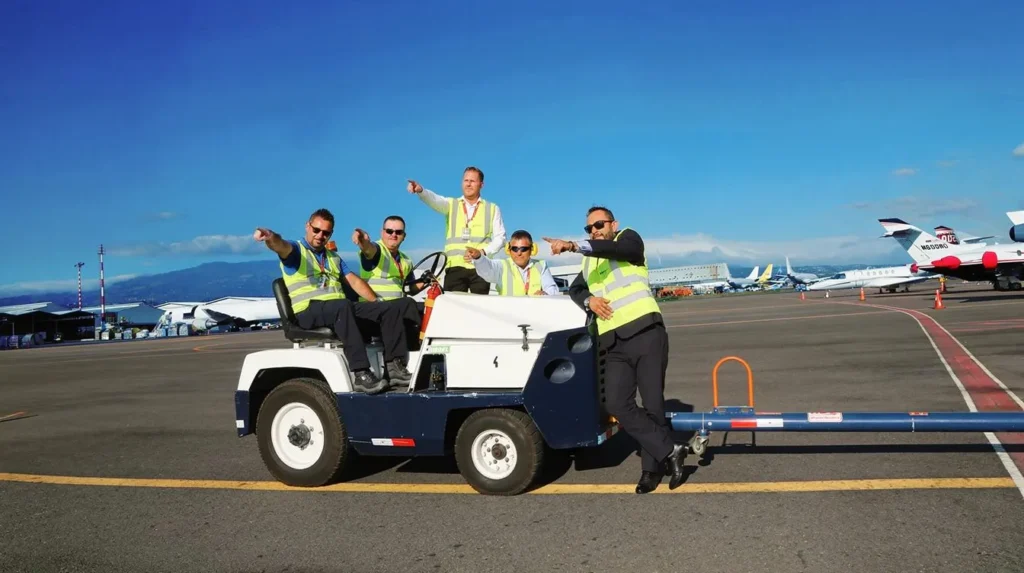
If you are traveling during peak season, confirm aircraft parking early. Do not assume the aircraft can remain at the airport for the full stay.
If you want VIP service, use accurate expectations. The goal is not to avoid legal procedures. The goal is to make customs, immigration, luggage handling, and ground transfer coordinated, private, and efficient.
If you are bringing pets, specialty catering, security, or a large group, share those details early. Those are exactly the details that can delay an arrival if they are discovered too late.
How Bespoke Costa Rica can help
Private aviation is only one part of a luxury arrival. The real experience begins when the aircraft door opens.
Bespoke Costa Rica can coordinate private airport arrival, VIP handling support, luxury SUVs, private drivers, naturalist guides, helicopter transfers, air charters, villa arrivals, resort coordination, security if requested, private chefs, yacht charters, and full itinerary planning.
For a family arriving into Liberia and staying in Papagayo, that may mean private aviation handling, a luxury SUV transfer, villa check-in coordination, stocked groceries, private chef service, yacht day planning, and a seamless return departure.
For a couple arriving into San José and continuing to Arenal or Osa, it may mean a helicopter connection, private guide, rainforest lodge coordination, luggage movement, and a carefully timed itinerary that avoids unnecessary road travel.
For a corporate group, owner flight, or last-minute high-end trip, it may mean coordinating the aircraft arrival with ground transport, accommodations, security, activities, and on-call support throughout the stay.
Costa Rica is not a difficult country to visit by private jet, but it is a country where local coordination makes the experience much better.
FAQ
What is the best airport for a private jet to Costa Rica?
For most travelers, the best airports are SJO in San José and LIR in Liberia. SJO is best for San José, the Central Valley, Arenal, Manuel Antonio, Osa, and southern Costa Rica. LIR is best for Peninsula Papagayo, Four Seasons, Waldorf Astoria, Nekajui, Andaz, Tamarindo, Las Catalinas, Nosara, and Guanacaste beach travel.
Can private jets land directly in Costa Rica beach towns?
Usually not for international arrival. Private jets normally enter Costa Rica through an Airport of Entry such as SJO or LIR. From there, passengers can continue by helicopter, domestic aircraft, or private ground transfer to beach and rainforest destinations.
Does Costa Rica have FBOs?
Costa Rica has private aviation handling at its main international airports, including SJO and LIR. SJO has the country’s most established General Aviation Terminal experience, and LIR is becoming increasingly important for private aviation because of Guanacaste’s luxury travel demand and the planned Signature Aviation terminal.
Is Liberia or San José better for private jets?
Liberia is better for Guanacaste, Papagayo, Four Seasons, Waldorf Astoria, Andaz, Nekajui, Tamarindo, Flamingo, Las Catalinas, and many North Pacific beach destinations. San José is better for the Central Valley, Arenal, Manuel Antonio, Osa, Dominical, and many itineraries that continue by helicopter or domestic aircraft.
Can private jet passengers clear customs privately in Costa Rica?
Private aviation passengers can be handled through coordinated private aviation arrival processes, especially at SJO’s General Aviation Terminal. Customs and immigration are still completed. The benefit is a more private, coordinated, and efficient arrival experience.
Can the aircraft stay parked in Costa Rica during the whole trip?
Sometimes, but it should never be assumed. Aircraft parking can be limited during high season, especially at SJO and LIR. The aircraft may need to drop passengers, reposition, and return on departure day.
Do private flights need permits in Costa Rica?
Private non-revenue flights and charter flights can have different requirements. Charter flights have specific DGAC requirements and should be coordinated through the operator and ground handler. Parking permission, handler coordination, and current NOTAMs should always be verified before the trip.
Is VIP airport service available in Costa Rica?
Yes, VIP airport service and private aviation handling are available, especially at SJO and LIR. The service can include coordinated arrival processing, lounge access, luggage assistance, escorted ground transfer, and connection to private drivers, helicopters, or domestic aircraft.
Can I bring my pet on a private jet to Costa Rica?
Pets can enter Costa Rica with the proper health documentation, but the paperwork should be checked in advance. The handler and concierge team should coordinate pet arrival requirements before the aircraft lands.
What is the best way to continue from the airport to a villa or resort?
It depends on the destination. For nearby resorts and villas, a luxury SUV with a professional driver is often best. For longer routes, a helicopter or domestic air charter may save several hours. The best plan depends on the airport, destination, group size, luggage, weather, and arrival time.
Plan your private arrival in Costa Rica
Flying private to Costa Rica should feel easy from the moment you land. The key is choosing the right airport, confirming the right handler, planning aircraft parking early, and coordinating the onward transfer before arrival.
Bespoke Costa Rica can arrange the full arrival experience, including private aviation coordination, VIP airport service, luxury ground transportation, helicopter transfers, private drivers, villas, resorts, yachts, chefs, security, and custom experiences.
Send us a WhatsApp message with your dates, route, and group size, and we will begin planning your perfect arrival in Costa Rica.