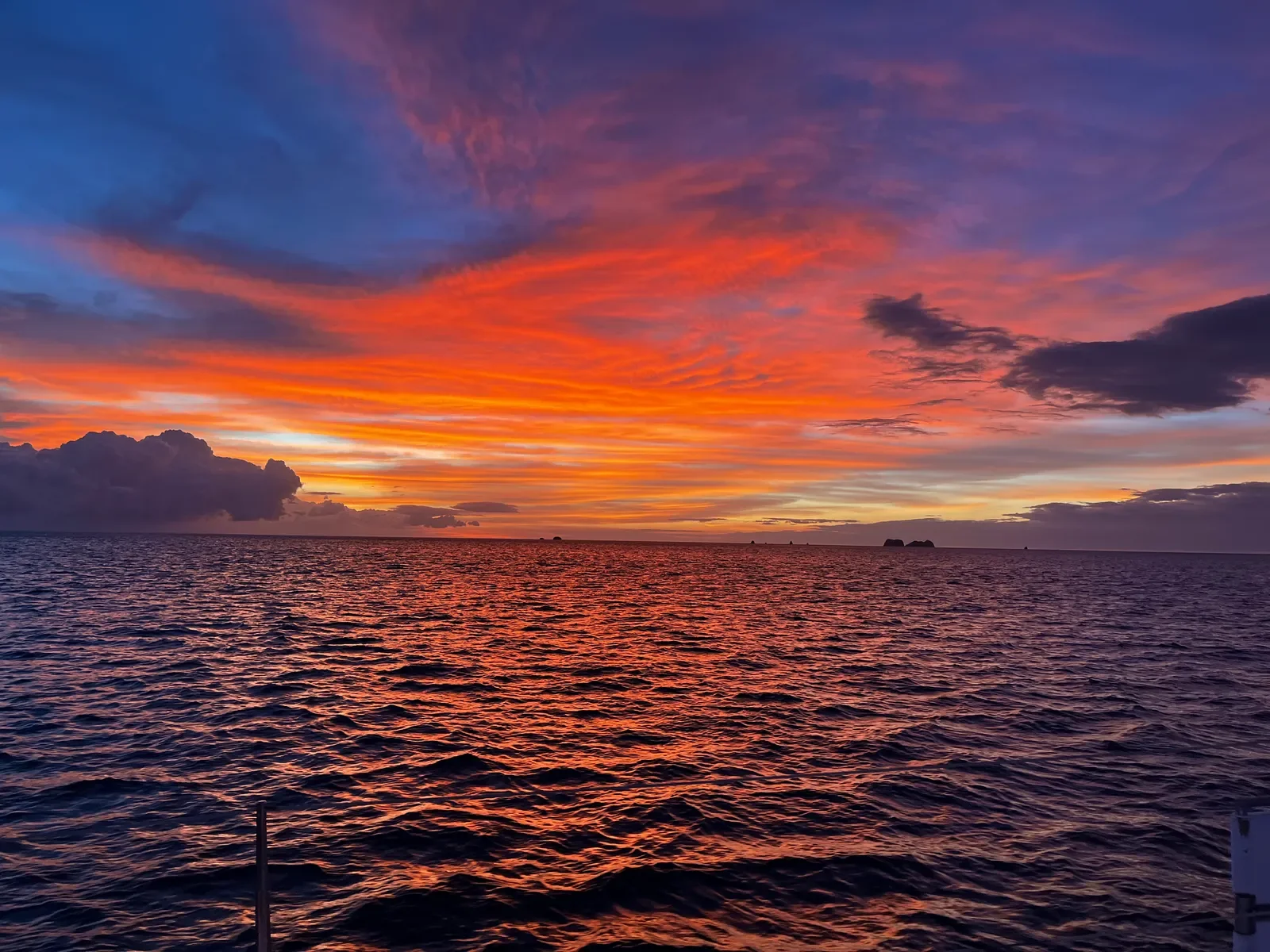


Why does Costa Rica work so well for a trip with teenagers?
Give the teenagers real choices: a river adventure, better surf skills, wildlife through a guide’s scope or dinner they help cook. Then leave enough room for the family to enjoy the place together.
One teenager wants to stand up on a surfboard. Another would rather photograph a frog or learn to cook something they can make again at home. Costa Rica gives those interests room to coexist, with exceptional places to stay and private transport making the changes of scene comfortable.
The most successful plan begins with the teenagers’ own priorities. Ask each for one experience they genuinely want, one they would rather skip and how much organized time feels right. Keep a few shared anchors—a river adventure, a private boat day, dinner together—and allow different choices between them.
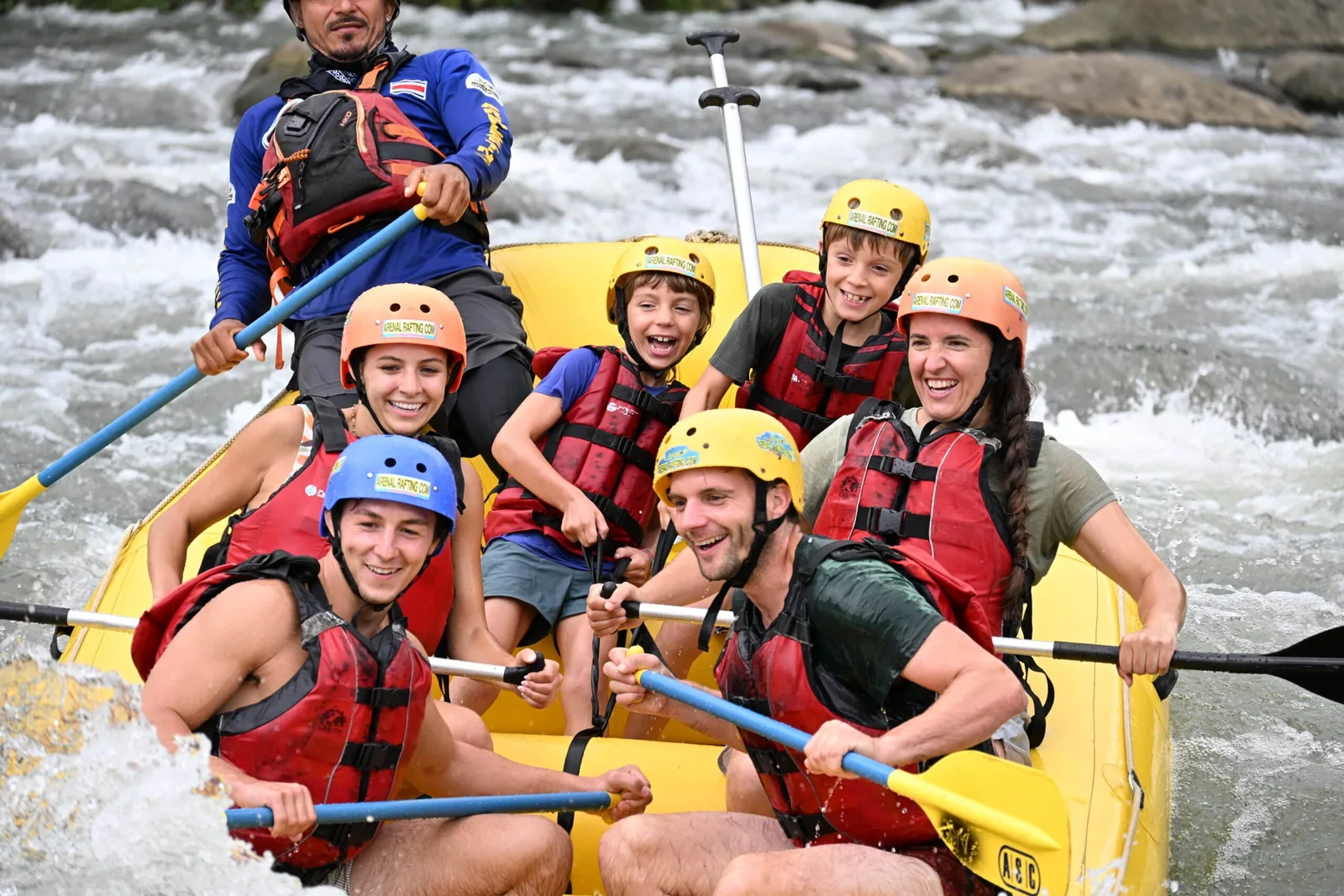
For an active teen, think of paddling through a rapid, moving between canyon walls or flying above the canopy. For a nature-minded traveler, the attraction may be learning to read the forest with a naturalist. For a surf enthusiast, returning for another lesson can be more rewarding than collecting another destination. A comfortable pool afternoon is a perfectly good choice too.
Bespoke Costa Rica can build the holiday around that mix: the right rooms, well-chosen guides, private pickups and meals that bring everyone back together. The luxury is having both remarkable experiences and enough freedom to enjoy them.
Which destinations should you combine?
Pair Arenal’s rainforest and adventure with one Guanacaste coast base. Choose Papagayo for resort recreation, Tamarindo for surf and town life, or Flamingo for a private estate and boat departures.
Arenal: rainforest, rivers and warm-water evenings
La Fortuna is our strongest starting point when adventure and nature lead the wish list. A teen can spend one day on the Río Balsa and another studying the forest canopy, then return to hot springs or a private plunge pool. The Springs offers extensive pools and Club Rio activities; Nayara’s family properties offer a more intimate rainforest setting. Off-property outings still need their own pickup plan. Our Arenal resort comparison helps with the wider hotel decision.
Peninsula Papagayo: resort recreation and a comfortable shared base
Choose Papagayo when the family wants beaches, resort dining, organized recreation and easy ways to spend part of the day separately. Four Seasons has a particular advantage for this audience in Tuanis, its program for older children and teenagers. Andaz is another resort we can compare for the actual family and room offer. The character is a resort peninsula, with property transport and booked outings shaping movement between places. See our Papagayo resort guide for the full comparison.
Tamarindo and Flamingo: surf progression or estate life
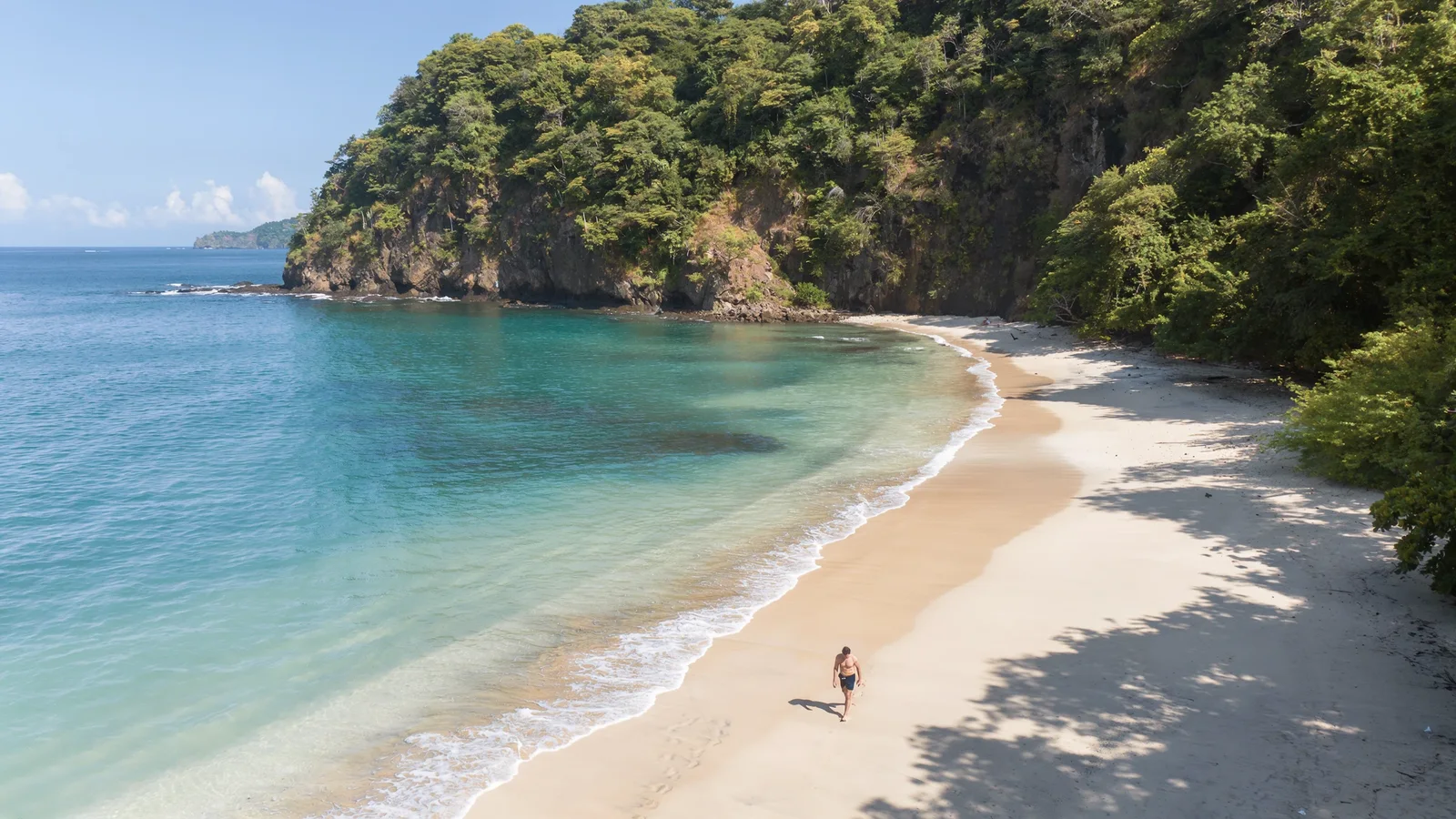
Tamarindo is the choice for teens who want to surf repeatedly and enjoy a town with restaurants and activity around the beach. Its public streets and crossings need a different family plan from resort grounds. Flamingo suits a private-villa stay with shared lunches, pool time and a boat outing. An elevated estate such as Ocaso needs a vehicle for the beach, so choose it for the home and views, with transport arranged around the day.
You do not need all three coastal settings. Pick the one that suits the people traveling. A surf-focused beach stay also needs a separate swimming plan: choose the day's water access with local advice, and keep an appealing pool alternative. If monkeys, sloths and a rainforest-meets-beach setting matter more than a separate surf or resort chapter, Manuel Antonio is a useful alternative. Our existing Arenal and Manuel Antonio family itinerary covers that route in depth.
What could nine days with teenagers look like?
Four nights around Arenal and four on the coast give you nine calendar days, including arrival and departure. Alternate signature outings with free time, and keep the transfer day clear.
This eight-night plan gives the teenagers a say while keeping the family’s time together at its center. It uses two bases and leaves space to repeat something they love.
Day 1: arrive in Arenal
Settle into the rooms, have a relaxed meal and get everyone oriented. A pool or hot-springs visit can be enough after the journey. Keep a major excursion for a day when the family has slept.
Day 2: discover the forest, then enjoy the hotel
Take a naturalist-led hanging-bridges walk at Mistico. Search the different forest layers, and request a guide with a scope for a curious teen who wants a closer look. Return for lunch and a free afternoon: warm pools at The Springs, or time on the deck and in the plunge pool at a suitable Nayara stay.
Day 3: choose one shared adventure
Pick a Río Balsa rafting outing or Lost Canyon rappelling according to the family’s enthusiasm and eligibility. Desafío sells each as a five-hour outing, a block that includes more than the time on the river or ropes. Keep the remainder of the day easy. Combining two major adventures deserves a specifically arranged product and a willing group.
Day 4: give the teenagers a real choice
A confident teen might choose Sky Trek with an appropriate adult-authorization arrangement. Another family might prefer a slower morning and a cooking-and-dancing evening, making a casado and eating it together. Choose the format that appeals; the day does not need both. A parent and teen can take one outing while the other pair enjoys a suitable hotel nature or pool plan.
Day 5: move to your chosen coast
Make this the travel day. Arrive at the resort or villa, find the beach or pool and have a good first dinner. The new base should have time to become familiar before the next booked departure.
Day 6: try the water experience they chose
In Tamarindo, begin surf coaching matched to their ability and the tide. At Four Seasons, compare a SurfX beginner outing with time enjoying the resort. Keep the afternoon free rather than treating every hour near the ocean as an organized activity.
Day 7: spend a day on the Pacific together
Reserve a private coastal sailing experience with the format, boarding and water activities chosen for the party. Swimming, paddleboarding or snorkeling depend on conditions. The meal aboard can become the day’s shared family occasion, with the rest of the evening kept flexible.
Day 8: return to a favorite experience
Another surf lesson, eligible Tuanis recreation, a chosen photo outing or a long pool afternoon may be the right finale. Let the teenagers help decide, then gather for the last dinner. If surfing becomes the main goal, extend or reallocate the coastal time for a proper multi-lesson progression.
Day 9: depart from Guanacaste
Have breakfast and meet the driver at the agreed time for the airport. Keep the morning shaped by the flight and checkout arrangements rather than fitting in one final distant tour.
With seven nights or less, a single well-chosen base can be more enjoyable than changing hotels to tick another place off. If you retain two bases, simplify the organized outings. When plans change, keep the replacement local: a cooking evening is an Arenal option; a rough-sea day on the coast can become appropriate resort recreation or a covered meal at the villa, with any moved bookings reconfirmed.
Which adventures fit a confident teen or a nervous first-timer?
Choose the actual format before the activity label: Río Balsa rafting, Lost Canyon rappelling and Sky Trek canopy each involve different effort, exposure and participation rules. A guided forest walk is a worthwhile gentler choice.
Río Balsa: teamwork with a change of pace
Desafío’s Class II–III Balsa outing starts with active paddling through rapids and continues into a calmer rainforest stretch. It works as a shared experience because everyone has something to do. The quieter sections give the guide time to point out the surroundings, with wildlife sightings depending on the day.
Lost Canyon: the choice for teens who want height and water
Here the experience is moving down waterfall rappels and through canyon pools, including a signature 200-foot rappel. That is a different commitment from sitting in a raft. Choose it because the teenager wants the exposure and physical experience, with a guide assessing suitability.
Desafío lists a minimum age of eight for both of these products and a recommended maximum weight of 100kg. The Balsa product currently lists ages eight to sixty-five. Medical history, fitness, equipment and the day’s conditions still matter; give the operator the relevant information before booking. Minors need parent or legal-guardian authorization. Closed shoes are important for Lost Canyon.
Sky Trek: an independent achievement for older teens
A tram takes you up the mountain before the zipline sequence carries you between high platforms, across canyons and above the trees. When the cloud clears, the volcano and lake add another dimension to the view. Choose this for the teenager excited by height and flight through a huge green landscape; the river and canyon are more about working with the water.
The operator’s published policy allows ages fourteen to seventeen to take Sky Trek without an accompanying responsible adult when the adult signs the waiver beforehand. Harness fit and the guide’s participation decision remain part of the arrangement. For a younger teen, establish the exact adult-accompaniment requirement for that booking rather than borrowing another activity’s rules.
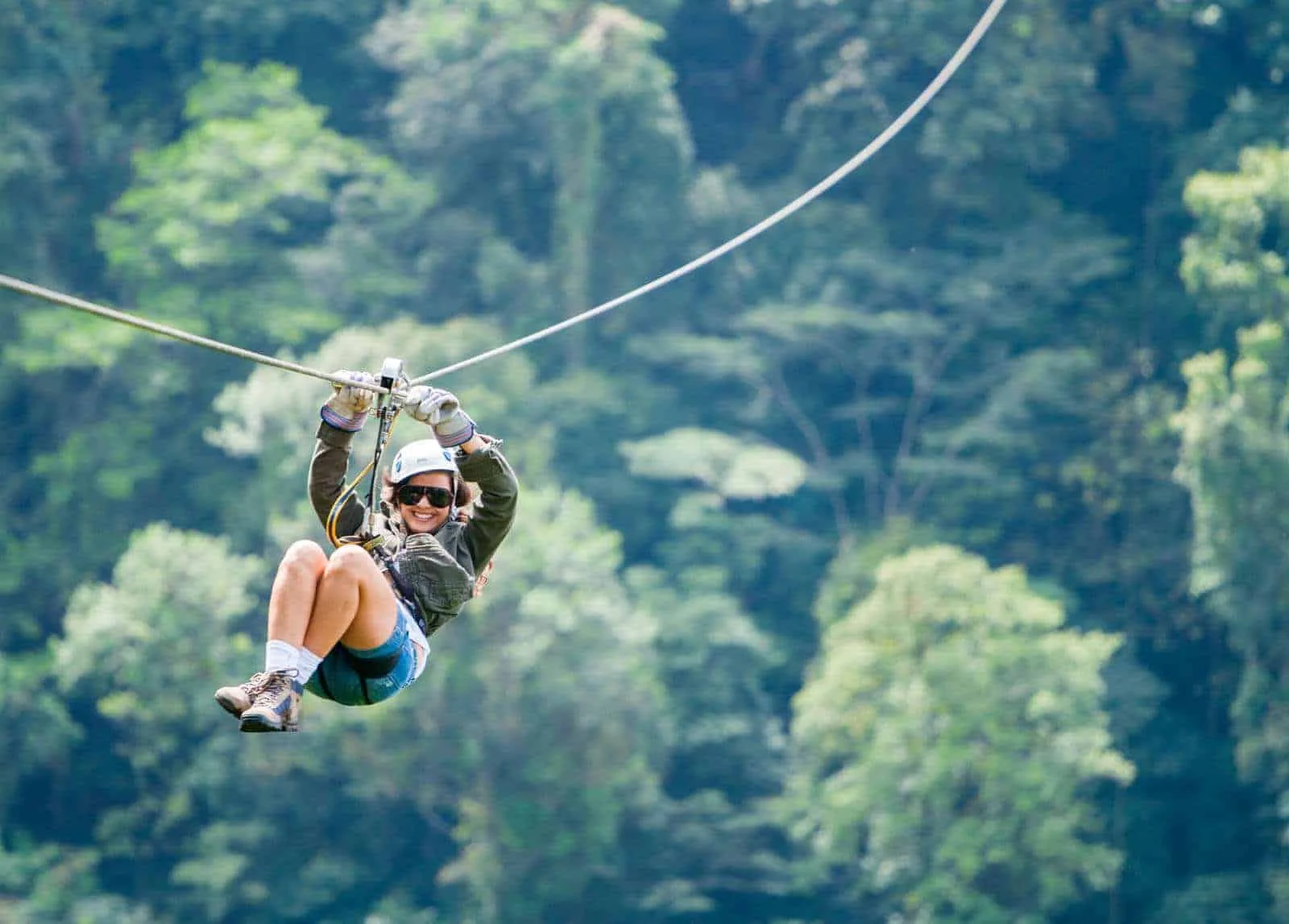
There is no prize for persuading a reluctant teenager onto a rappel or cable. Mistico’s guided natural-history walk offers a different kind of discovery without that exposure. The keen parent-and-teen pair can take the adventure while the rest of the family has a genuinely enjoyable alternative, with responsibility and the reunion point agreed.
The standard Desafío products list guides, equipment, particular food inclusions and transfers from selected hotels. Sky’s transport is an extra. We can request the private format and pickups the family wants, with the actual operator arrangement specified in the proposal. Exclusive family use should be reserved as such. River levels, weather and the operator’s decisions can change departures.
Should you build the coast around surfing, swimming or a boat day?
Choose the coast for what your teenagers want to do. Surf coaching, suitable swimming water and a private sailing day are different experiences, with the tide, sea conditions and group’s ability shaping the plan.
Choose progress on a surfboard
A private or suitably matched small-group lesson gives the instructor a clear starting point: a first-timer learning to stand up, or a teenager ready to work on another skill. Iguana Surf’s Tamarindo lessons run for ninety minutes and list a soft-top board, rash guard and bilingual instruction, beginning on the beach before practice in the water. Its group option accepts ages thirteen and up; younger children need dedicated instruction. The tide helps determine the useful session.
A second or third lesson lets the teenager build on what they learned. Iguana offers an actual three-lesson progression, worth considering when surfing is a priority and the stay has room for it. For Four Seasons guests, SurfX’s Surf 101 starts at Playa Blanca and reaches appropriate beginner waves at Prieta or Iguanita by boat. Witch’s Rock and Ollie’s Point belong to its intermediate and advanced offering, rather than a default first lesson.
Keep the swimming decision separate
A beachfront villa or attractive stretch of sea does not tell you where to enter the water that day. Ask the instructor, property team or lifeguard about the actual conditions, currents and river mouths. Keep the family’s swimming ability and supervision plan clear. When the sea is unsuitable, pool time or a different guided experience can still make a very good afternoon.
Make a private boat day about the whole family
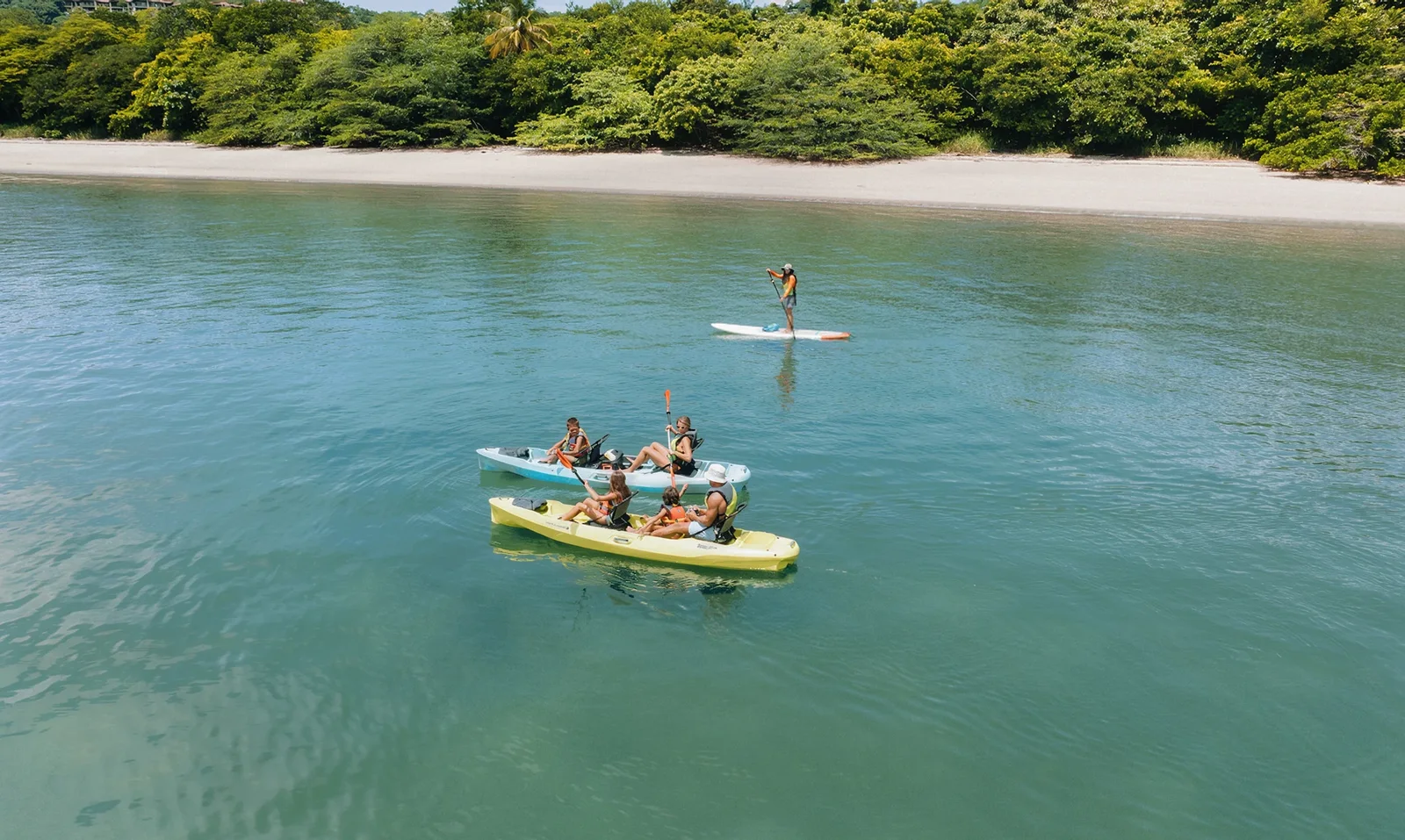
A charter lets the teenagers mix deck time, lunch or an evening meal, and water activities when conditions allow. Some will want to paddleboard; another may prefer shade and the coastline. With Why Not, choose the morning, sunset or full-day format around that mix, then specify the boarding point, seating, shade, toilets and correctly sized life jackets. Our private catamaran guide explains the actual formats and meal choices.
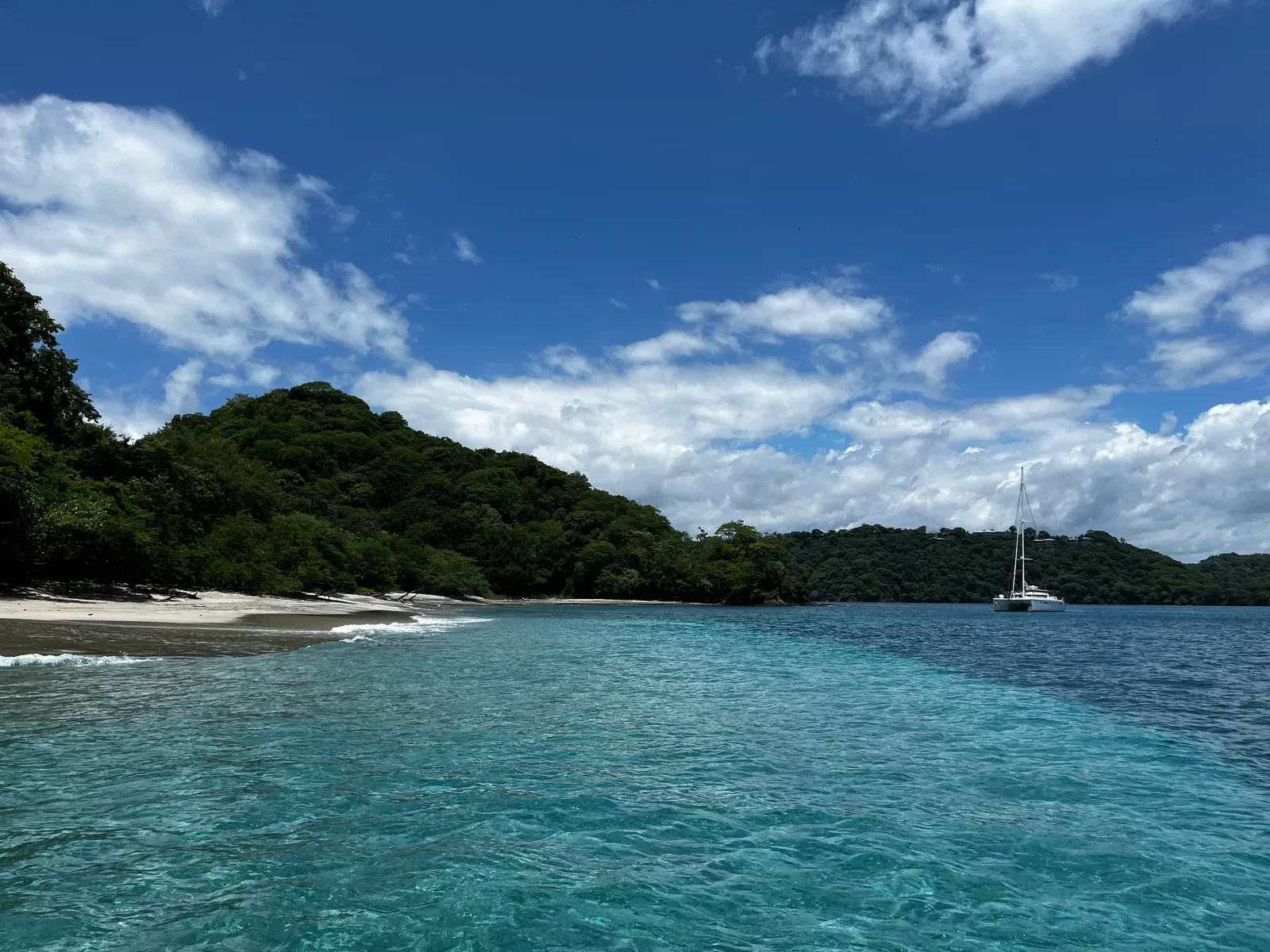
Tell the crew who is a confident swimmer and who prefers to stay aboard, and agree who is responsible for minors during each activity. Keep an equally clear family arrangement for unstructured beach and pool time. The captain decides which water stops work; a beautiful photograph is not a forecast of the sea on your day.
What if they love wildlife, photography, food or culture?
A naturalist who helps them interpret the forest, or a cooking evening where they make and eat a casado, can be as memorable as an adrenaline activity. Give curiosity something specific to do.
At Mistico, the worthwhile part is what the naturalist helps you notice between the bridges. Look into the canopy, compare it with the shaded understory and stop when movement or a call gives the forest away. A teenager with a camera has a real task: observing, waiting and finding a picture rather than simply walking to the next viewpoint.
Build the nature outing around their attention span and interest. An early forest walk needs suitable footwear and patience. Nayara Tented Camp lists scheduled bird and frog tours among its Family Tent amenities, offering a shorter estate-based possibility to compare. At The Springs, the Club Rio wildlife sanctuary is a managed rescue setting, with a different purpose from looking for animals in the wild. Keep those experiences distinct when choosing.
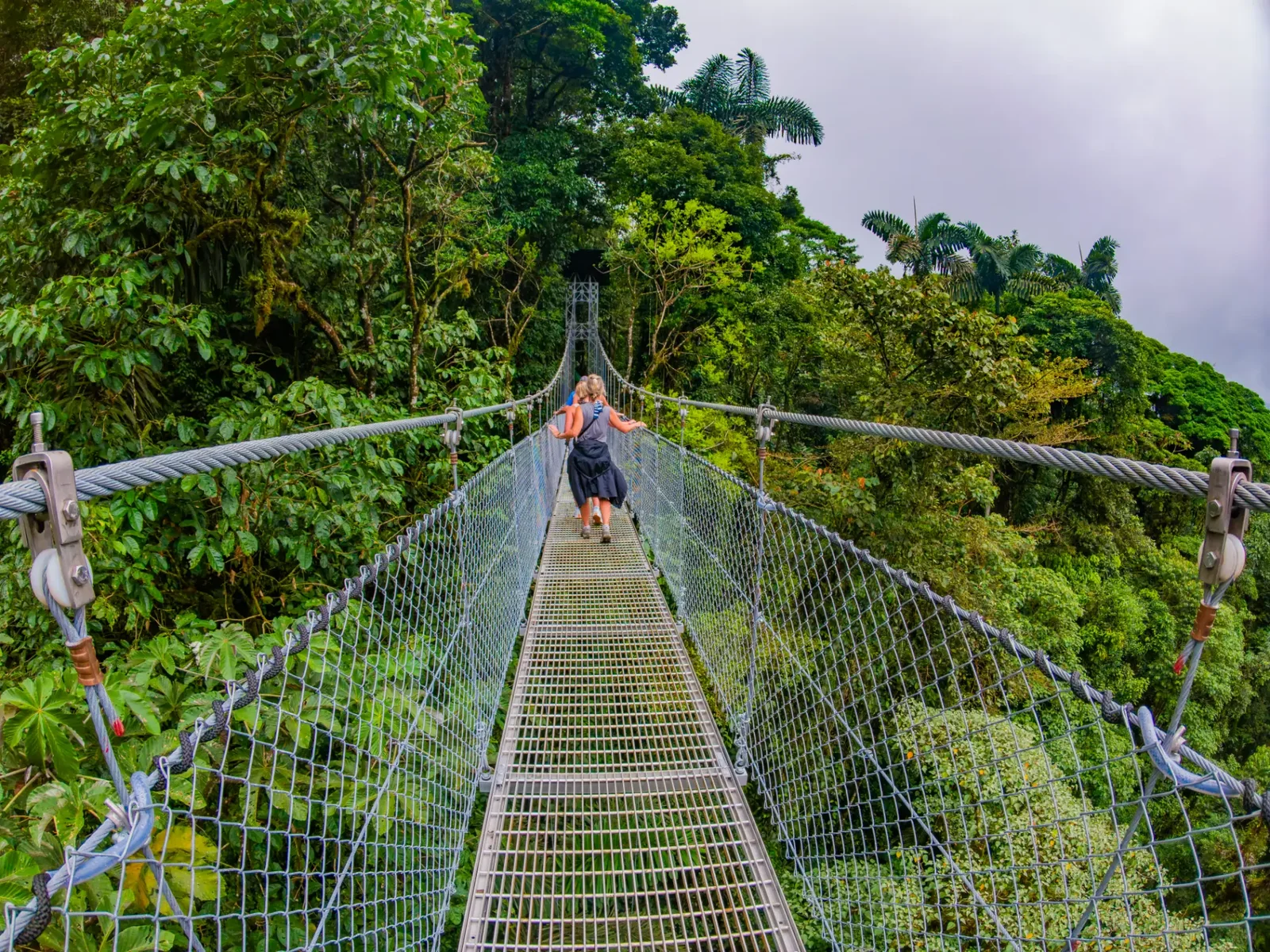
Let the guide set the observation rules and distance. Watch without feeding, handling or pursuing the animals. A sloth, frog or bird is more interesting when the guide can explain its habitat and behavior, with the encounter left on the animal’s terms.
A Costa Rican dinner they help make
Desafío’s La Fortuna cooking-and-dancing evening gives food-minded teens something active to learn. Participants prepare a casado, eat the meal and learn salsa or bachata with local instructors. The current product is a four-hour evening beginning at 5pm, with a minimum age of six, dinner, water, dancing and roundtrip transport listed. We confirm the actual family format, language, dietary needs and pickup when arranging it.
This is a particularly good choice when one teenager wants local food and another likes music or a practical task. Working with the local instructors gives the evening its character. Keep any more specialized community or educational visit tied to a real organized arrangement, rather than adding it as an assumed privilege of a private trip.
Which hotels and villas give parents and teenagers the right space?
Start with actual bedrooms and beds. The Springs, Nayara’s family properties and Four Seasons offer different room arrangements; a larger Flamingo villa is another option when several households want a home together.
The Springs: enclosed bedrooms or an open family suite?
The Two-Bedroom Springs Suite has a king master and a second bedroom with two twin beds, its own full bathroom and separate entrance, linked by sliding connecting doors. It is on the fourth floor with stairs only. That can be a useful choice for parents and teens who want separate beds and a real bedroom division, provided the access suits the party.
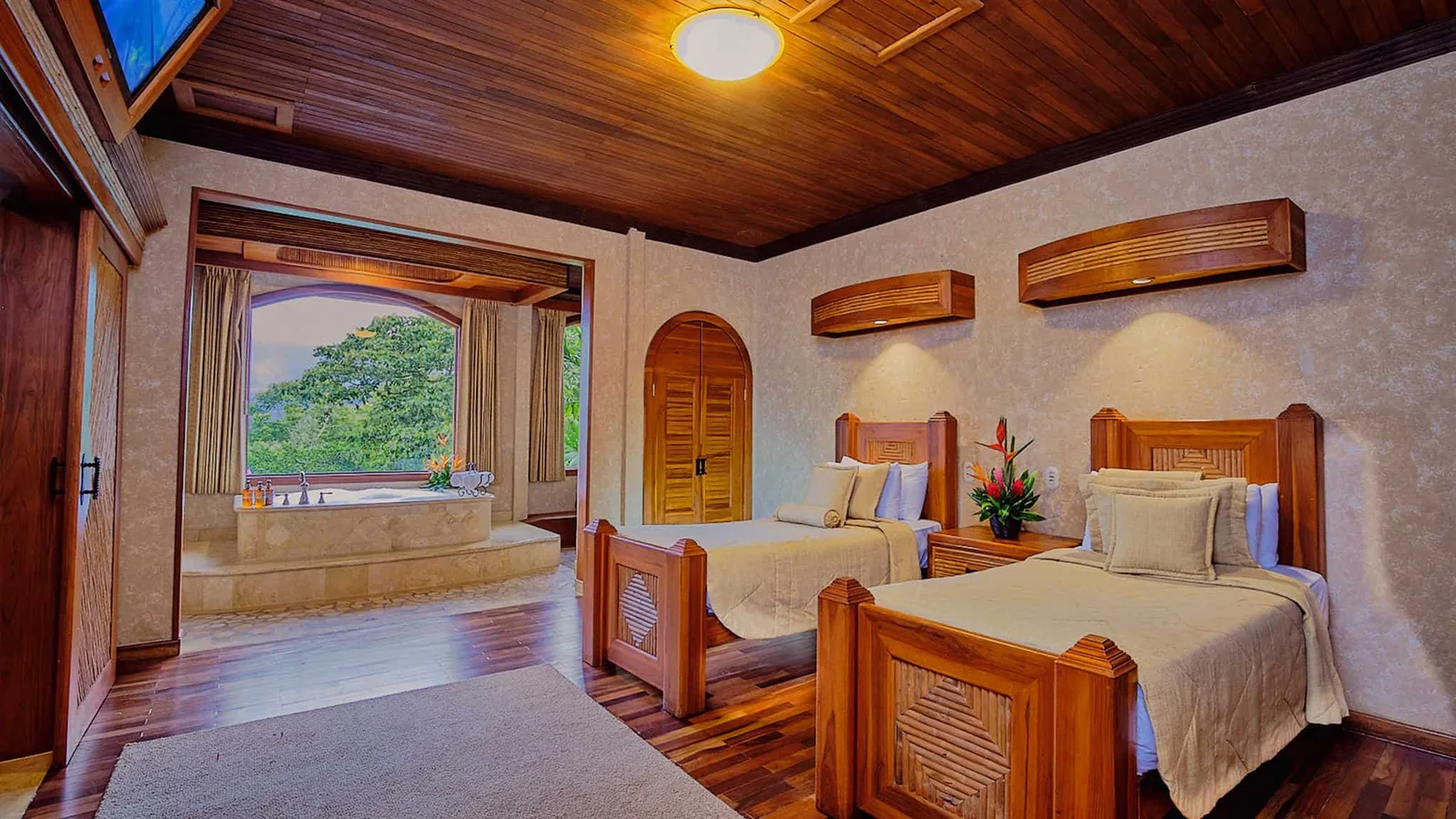
The resort’s Family Suite is different: an upper level with a king and two sofa-style twin beds overlooks the master area below. It is semi-private, rather than two fully enclosed bedrooms. Choose it for a family comfortable with that shared arrangement. Both the Family Suite and Two-Bedroom Springs Suite include access to the pools and hot springs, with breakfast and other meals charged separately.
Nayara: choose the family property and the right tent
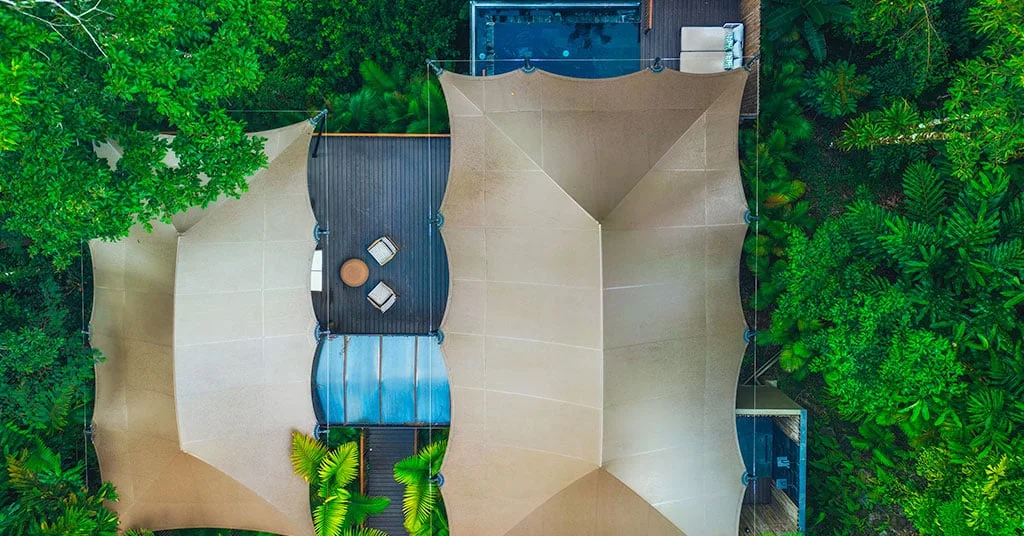
Nayara Tented Camp’s Family Tent joins two tents through an outdoor living space around a shared hot-spring-fed plunge pool. Its amenities list a king, two queens and a daybed. We establish the exact occupancy and room allocation for the ages traveling, including the outdoor connection between the tents.
At Nayara Gardens, the Arenal Pool Casita lists space for two adults and two children under eighteen, with a king or twins and a daybed. Check the actual bed allocation if two teenagers each want their own full-size bed. The Rainforest Pool Villa’s published occupancy is two adults and one child, so the categories are not interchangeable. These two family properties are separate from Nayara Springs, where every guest must be eighteen or older. Use ages at the time of travel, especially around a birthday.
Four Seasons: connecting rooms or a private family villa
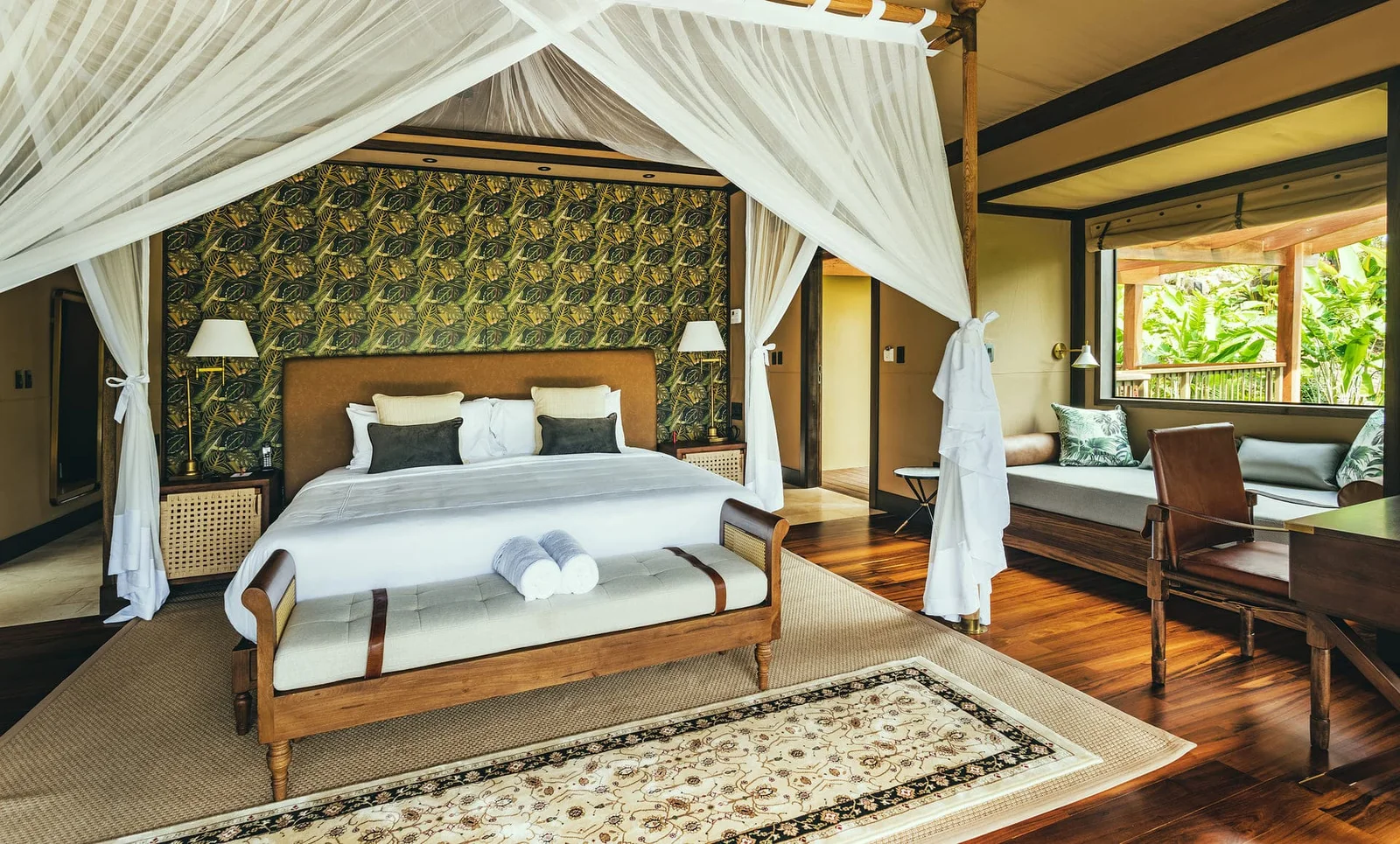
An exact connecting-room pair is worth comparing with a residence. Two room requests alone do not establish a connection. The Three-Bedroom Canopy Villa has three ensuite bedrooms, two kings and two double beds across the configuration, shared living space and a private infinity pool. Private chef and childcare services cost extra. Its hillside setting and the routes to the facilities matter as much as the bedroom count.
We can also compare Andaz’s actual two-queen or king-and-living-area accommodation offers for the party. A sofa in a living room is a different arrangement from a separate bedroom. The Papagayo guide gives broader resort context; the proposal should name the exact room or residence and the family’s allocation.
Several households: make the villa rooming plan first
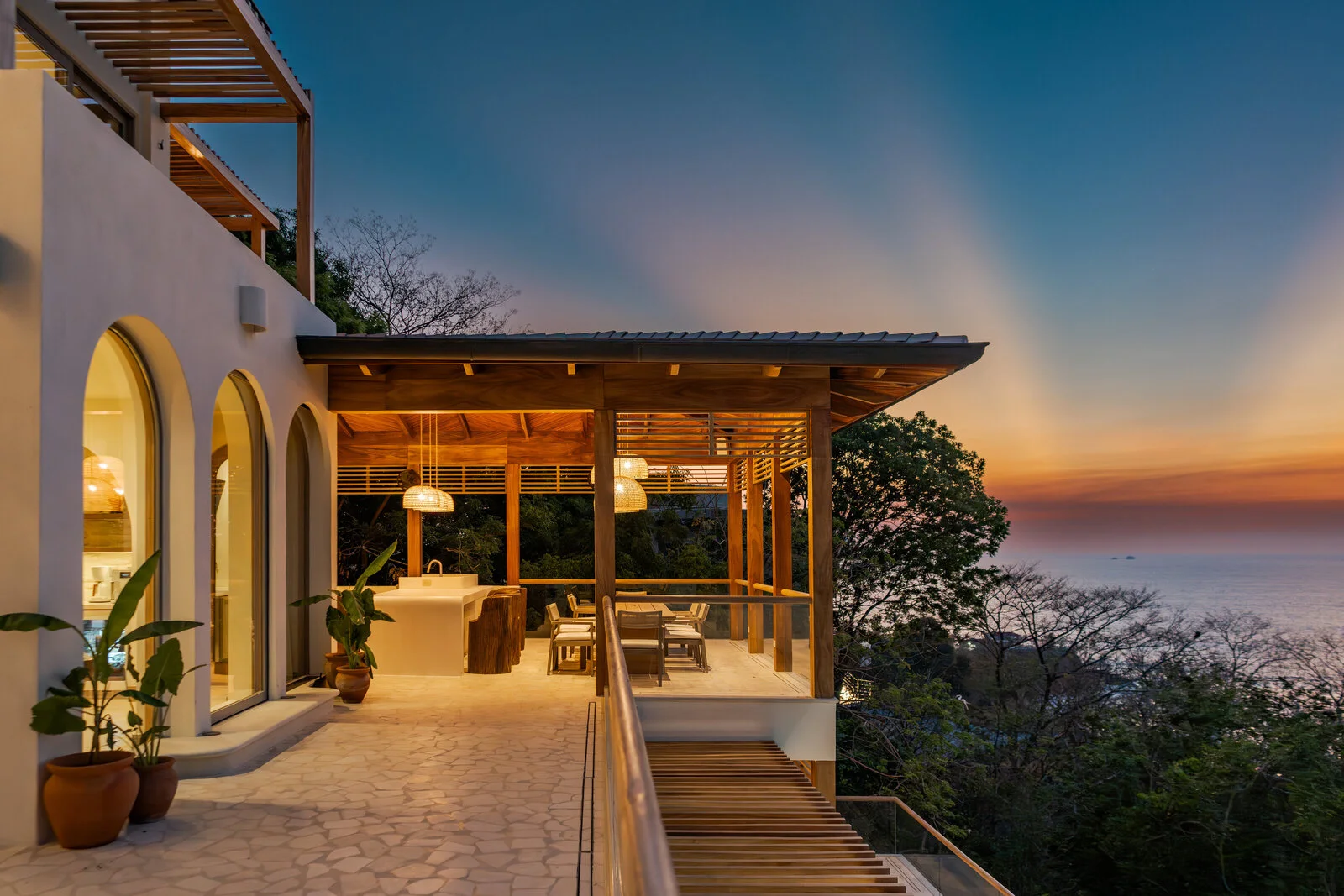
Ocaso in Flamingo offers nine bedrooms for up to twenty guests across different levels and a separate casita. Morpho on Level 1 has four bunk sleeping spaces; Guaria on Level 2 can be twins or a king; the separate Fogón casita has a double bed and sofa bed. Teens who want to share may like Morpho, while two wanting separate beds may prefer Guaria. Use the casita only when detached sleeping suits the household.
A large guest maximum is not a set of equal couples’ suites. Map the whole party to the actual rooms, then arrange chef meals, groceries and transport. Ocaso’s hillside position means beach trips need a vehicle. For a wider group shortlist, see our guide to larger private villas; for the household service decision, our fully staffed villa guide explains the different models. We can coordinate suitable accommodation through our existing property relationships, with the exact dates, rooms and services quoted for your family.
Where can teenagers have time of their own?
Choose a base that makes the independent time you want practical. Four Seasons has a defined Tuanis program; a surf-town villa gives a different kind of freedom, with family boundaries and transport agreed.
At Four Seasons, Tuanis is a concrete reason to choose the resort for this age group. Its published program covers ages ten to eighteen, with mini soccer, basketball and pickleball, plus a lounge with games, foosball and snacks. The listed hours are noon to 8pm; we check the dated program and any reservations for the stay.
The program is complimentary for registered resort guests. For a particular residence, establish the entitlement through the booking. A separate villa elsewhere on the coast needs its own activity plan. Resort recreation can make spontaneous time apart easier, while a villa can offer more private space and a surf or guiding program arranged around the family.
Ask which activities are organized and supervised, and which spaces are for casual recreation. A pickup game or shared lounge offers a chance to socialize; the holiday should also work during a quieter week. Another surf lesson, basketball, photography or a personally chosen nature outing gives the teenager something worthwhile of their own.
Match freedom to the actual setting
Papagayo resort grounds and facility transport are different from walking along Tamarindo’s public roads to a restaurant. A hillside Flamingo villa has another pattern again: the beach, marina and dinner out may each need a pickup. Walk or review the actual routes with the family, including crossings, hills and the evening return, before agreeing where a teen will go alone.
Make the agreement concrete: the permitted area, one meeting point, a check-in time and which off-property trips need an adult. Reserve return pickups or driver hours where needed. Keep working phones, saved contacts and the property’s actual connectivity in the plan, with an offline meeting place and time if a signal drops. This gives the teenagers usable freedom without turning the afternoon into another timetable.
How do you make meals work for teenagers?
Combine familiar choices with Costa Rican food, keep snacks and breakfast aligned with the outings, and choose which evenings belong at a restaurant or around a private chef’s table.
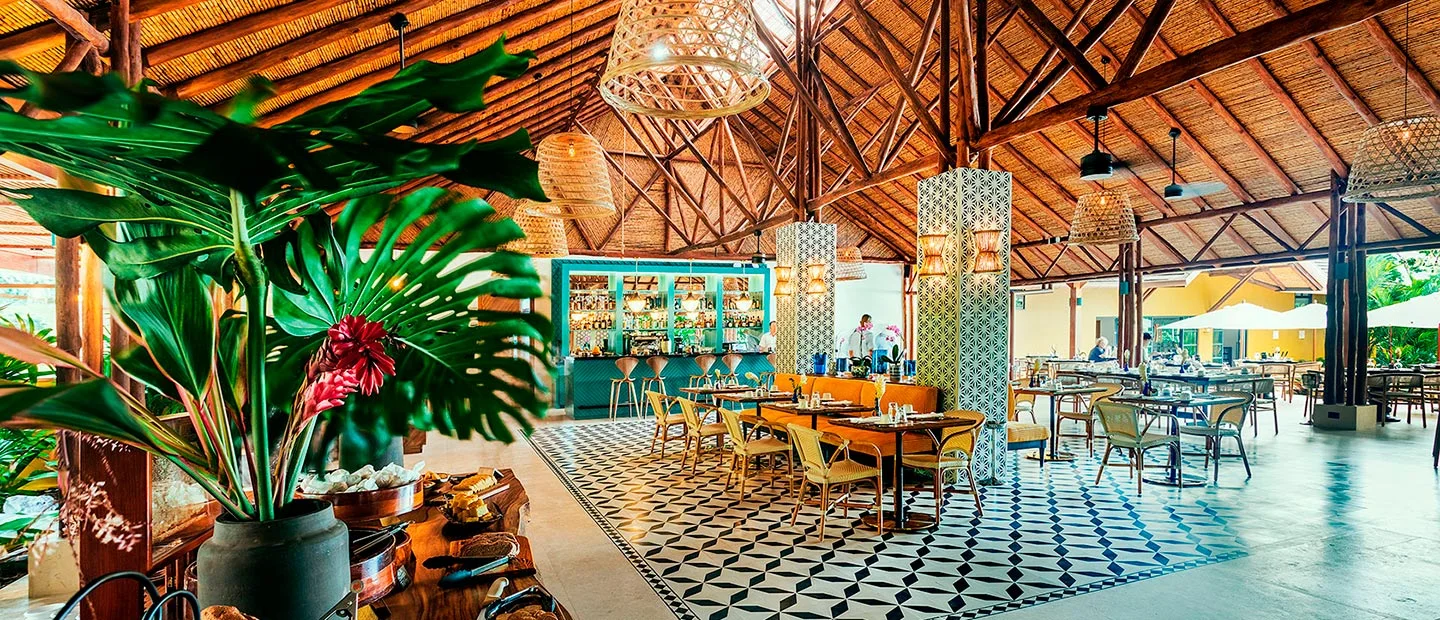
At Nayara Gardens, La Terraza offers a useful bridge between familiar food and Costa Rican dishes. Its lunch menu includes chicken quesadillas, fish tacos, burgers and pizzas alongside casado and arroz con pollo. At dinner, options include its burger, casado and Milanesa Nayara, a breaded-chicken dish with pomodoro and melted cheese.
Asia Luna adds another direction: chicken gyoza, edamame and the Nayara Roll with cooked chicken and sweet plantain. Reserve the restaurant as required and discuss the family’s tastes. The cooking evening in La Fortuna can make a casado more interesting because the teenagers helped prepare it.
Keep the day’s appetite in mind. An early start needs breakfast or an agreed portable option; teenagers coming back from a river or surf lesson often want food before a late dinner. Stock the snacks they like, carry water and account for meals included with the outing. Nayara Gardens’ Arenal Pool Casita and Rainforest Pool Villa include breakfast; The Springs’ Family Suite and Two-Bedroom Springs Suite do not. Tented Camp’s Family Tent lists terrace breakfast service, with the booked offer establishing the inclusions.
For a private-villa stay, we can coordinate the chef for the meals you want, including familiar options and local dishes. Specify groceries, pre-stocking, snacks, drinks, serving hours and the cost of the food. At Ocaso, the chef and grocery allowance are additions rather than standard inclusions. Send allergies and cross-contact needs in advance so the actual chef or restaurant can confirm the preparation arrangement.
How do you connect the trip with private transport?
Match the airports to the route, reserve vehicles for the whole party and luggage, and give transfers their own place in the itinerary. Compare an air option only with its complete handoffs and baggage fit.
If Arenal comes first and Guanacaste last, compare arriving through San José (SJO) and leaving through Liberia/Guanacaste (LIR). Return flights through LIR can also work when the itinerary and international options fit. Choose with the actual hotels and flights in front of you, then allow for immigration, bags, pickup and check-in on the arrival day.
A Ford Expedition with a private professional driver is one option for the family’s actual people and bags. A private van may be the better choice for several households or more equipment. We confirm the vehicle and luggage fit, including surfboards or unusual bags; a Sprinter-or-similar request needs its actual vehicle confirmed in the quote. Stops, return pickups and service hours are agreed around the journey.
The driver handles the travel. A naturalist is a separate addition when the day calls for interpretation and wildlife guiding. Also check an operator’s included transport against the exact hotel: a shared local pickup is different from the private arrangement the family may want. Reserve a return time or defined standby period for outings and meals, including separate vehicles if two groups want different days.
For an air comparison, BCR can request an Aerotour helicopter option or a CarmonAir private fixed-wing charter. A helicopter uses the confirmed landing points and any connecting drive; fixed-wing travel uses confirmed airports or airstrips and onward vehicles. Passenger count and weights, bag quantities and dimensions, the exact departure point and the weather window determine the workable option. A San José departure must name the airport rather than treat SJO and Tobías Bolaños/SYQ as interchangeable.
Compare the complete journey, including road handoffs and luggage, rather than only minutes airborne. We confirm any resort landing and the assigned aircraft with the operator before booking. See our private helicopter service when that option fits the trip. Keep the interbase move clear of a major excursion and work the final pickup back from the actual flight reporting time.
What safety, medical and family support should you arrange?
Choose suitable activities and water conditions, establish local care and an emergency contact plan, and arrange any younger-sibling care explicitly. These practical details let the family relax into the trip.
Agree the activity and water choices with the people actually taking part. Heat, sun, insects and a demanding morning are easier to manage with water, shade, appropriate clothing and room to rest. Keep valuables secure and use the daily local advice for the beach or river rather than assuming yesterday’s conditions apply.
For the main bases here, Fortuna Medical Center in La Fortuna advertises 24-hour emergency care. Hospital Metropolitano’s Huacas and Liberia locations list 24/7 care on the Guanacaste side. These general-care listings do not establish that a particular pediatric or other specialist is always on site. Arrange any medically necessary capability before choosing a more remote plan.
Save Costa Rica’s emergency number, 9-1-1, with the hotel or villa contact and its exact location and access instructions. In an emergency, contact dispatch first; the property team and BCR can help with the practical location and transport coordination. Share relevant health needs, medications, emergency contacts and activity limitations privately with the coordinator and operator before the trip, and consider appropriate medical-transfer cover.
Younger siblings and a parents’ evening out
A teenager’s free afternoon should not automatically become a babysitting shift. One parent-and-teen pair can take an adventure while another adult enjoys a suitable pool or nature plan with younger children. If the adults want separate time, Bespoke Costa Rica can coordinate care: provide the children’s ages, number, language and hours, then confirm the named provider, handover, contact and duties.
Put pool and beach responsibilities into that arrangement explicitly, and keep the older teenagers’ own permitted recreation separate. Paid hotel babysitting also needs booking; Four Seasons currently requests forty-eight hours’ notice. The right support lets each part of the family enjoy a suitable day and makes the shared evening more relaxed.
When should you travel around school holidays?
Guanacaste’s drier season and school-holiday demand affect different choices: weather shapes outdoor plans, while dates shape room combinations and availability. Keep a rewarding alternative ready for a changed ocean or adventure day.
On the Pacific side, the broadly drier December-to-April period supports an outdoor beach rhythm, with transition months and regional differences. Greener months can still offer rewarding travel, often with more flexible mornings. Arenal’s rainforest chapter should have rain protection and a plan that remains interesting when cloud changes the volcano view.
School breaks, Christmas, New Year and Easter can make the right connecting rooms, family tents or private-villa configuration particularly important to reserve early. Secure the suitable accommodation and the experiences that matter most once the dates are known, then preserve the unscheduled time.
A sea condition is still a sea condition in a generally drier month. Let the captain and activity operator make the operating decisions. On the coast, a changed water day can become eligible Tuanis recreation, another appropriate resort activity or a covered meal at the villa. In Arenal, the cooking-and-dancing evening is a different worthwhile option. Confirm the availability and terms of any moved booking, including its transport and meals.
What should you pack and check before departure?
Pack for the actual activities: secure footwear, a rash layer, rain protection and a dry bag. Check each traveler’s documents and the insurance cover for the adventures you plan to book.
Pack the gear the chosen activities require: secure closed shoes for the canyon or forest, suitable water shoes where requested, swimwear and a rash layer for the sea, light rain protection and a dry bag. Add sun and insect protection, and decide how the teenager wants to carry or protect a phone or camera.
Check passports, entry requirements and any minor-travel documents for the family’s actual nationality and custody circumstances. The Costa Rica Tourism Board’s entry information and, for U.S. families, official U.S. guidance on children’s travel documents are useful starting points. Ask the insurer specifically about the planned rafting, canyon, zipline and water activities and relevant medical or evacuation needs before relying on a policy.
How do you turn their interests into a complete holiday?
Send the teenagers’ interests and confidence alongside dates, ages, rooms and budget. Bespoke Costa Rica can connect the suitable stays, private transport, guides, water days and meals into one considered plan.
The biggest cost decisions are usually the travel dates, how much bedroom privacy the family wants, and which experiences need to be exclusively theirs. Two ordinary rooms, a confirmed connecting pair, a Family Tent and a private residence can create very different holidays. Private guides, a whole boat and separate vehicles also change the proposal.
Secure the right room configuration and the experiences the family most wants first, then leave flexible afternoons around them. Compare the actual included meals and registered-guest programs with the excursions, transport, food, chef and care you are adding. A standard shared tour and a specially arranged family departure should be identified clearly. Before payment, the reservation needs dated availability, actual room allocation, operator eligibility, included services and the applicable deposit, cancellation and minimum-stay terms. Weather changes follow each supplier’s arrangement; rain alone does not establish a refund or a safe departure.
Tell us the teenagers’ interests as well as their ages. Send the dates and flexibility, each traveler’s age during the trip, must-do experiences and things they would prefer to avoid, swimming confidence and relevant fitness or health limits, bedrooms and separate-bed needs, dietary requirements, group size and a useful budget direction.
Bespoke Costa Rica can compare suitable stays through our existing property relationships and coordinate private drivers, naturalists, surf and water experiences, dining, chefs and appropriate family support. We turn those preferences into an itinerary with the actual rooms, accepted activity arrangements and written inclusions confirmed. The aim is a trip the teenagers have helped choose—and one the whole family will enjoy sharing.