



Updated
Is June or July a good time to visit Costa Rica?
Yes, June and July are a good time to visit Costa Rica if you choose the right region and plan your days correctly.
June and July are summer for the US and Canada travel calendar, but they are rainy season months in Costa Rica.
For Pacific beach time, Guanacaste is the strongest starting point. June brings green-season showers; July can have a relative rainfall lull, especially in the North Pacific. Neither month promises dry days. Arenal works well for rainforest walks and hot springs, while the Caribbean has a different rain cycle and can be particularly wet in July.
The reward is a trip with more than beach weather: green hills above the ocean, wildlife walks before lunch, and afternoons worth spending at your resort or villa. Put your most weather-sensitive experience early in the stay and leave room to move it.
For a private, high-end summer vacation, build around an exceptional resort or serviced villa, a dedicated driver and a few carefully chosen experiences. The right accommodation makes a rainy afternoon part of the holiday: a thermal pool in Arenal, a long chef-prepared lunch or a couples treatment before dinner. Bespoke Costa Rica can coordinate the stays, transfers and private days as one trip.
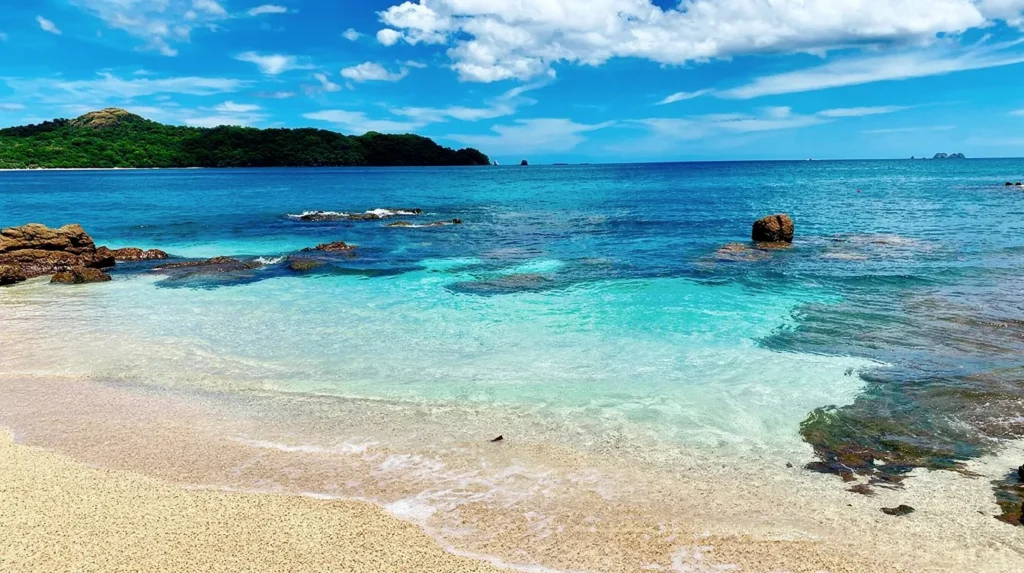
Costa Rica weather in June vs July
June: green landscapes, with rain built into the plan
On the Pacific coast, June is already within the rainy season, not the beginning of the dry season. Keep the beach and outdoor excursions in the earlier part of the day, then return to somewhere comfortable for lunch and a slower afternoon. A week split between Arenal and Guanacaste gives you forest and coast without depending on uninterrupted sunshine.
July: a possible Pacific lull, not a second dry season
Costa Rica in June is typically wetter on the Pacific side than July.
Costa Rica in July often has better beach weather in parts of the Pacific because many years have a mid summer dry break that reduces rainfall for a stretch.
The midyear reduction in Pacific rainfall is called the veranillo or canícula. Its timing, strength and duration vary. Do not book a particular July week on the assumption that it will be dry, or apply the Pacific pattern to Puerto Viejo, Tortuguero or Arenal. July on the Caribbean side can coincide with a rainfall peak.
If your dates are flexible and beach time comes first, July in the North Pacific is a sensible preference over June, not a weather guarantee. If school holidays fix your dates in June, a good Guanacaste base and a flexible daily rhythm matter more than trying to chase the veranillo.
These are historical climate patterns, not a forecast for your travel dates. Use the Costa Rica Tourism Board's regional climate guide for the broad pattern and the Instituto Meteorológico Nacional for current conditions nearer departure.
How much will rain change your day?
Most travelers picture rainy season as constant rain. That is not how it usually feels in Costa Rica.
That does not mean your trip will be ruined. It means you plan Costa Rica in June and Costa Rica in July around how the days usually behave: usable mornings, clouds building later, and rain that often shows up in shorter windows, not nonstop all day.
For much of the Pacific, the useful planning pattern is an earlier outdoor window followed by a greater chance of showers later. It is a pattern, not an appointment with the rain: showers can begin early, last longer than expected or become a sustained wet spell. A weather icon showing rain does not tell you how much of the day will be usable.
The easiest way to plan is:
Outdoor tours early
Pool, spa, long lunch, or hot springs later
Keep one flexible block each day
A useful Arenal day is a guided forest walk in the morning, lunch back at the hotel, then time at the spa or thermal pools when conditions allow. On the coast, make a beach morning the main event rather than attaching a long inland excursion to an afternoon boat departure. During thunder or unsafe water conditions, pools, hot springs and boat outings pause too; a covered lounge or a proper living room earns its place.
Weather by region: Pacific, Caribbean and Arenal
Costa Rica weather in June and Costa Rica weather in July depends more on region than on the exact date.
North Pacific: Guanacaste, Papagayo and Tamarindo
This is the most convincing beach-first choice for these months. Papagayo, Flamingo, Conchal and Tamarindo let you keep most nights on the North Pacific rather than adding a wetter coast. Allow for hot, humid days and showers; greener hills do not mean cool beach weather. July's possible rainfall lull helps the case for this region, but does not make sea conditions or swimming safe by default.
Central Pacific: Jacó and Manuel Antonio
Greener and more humid than Guanacaste. You can still have great days, but rain is more common. The best strategy is early tours and relaxed afternoons.
Manuel Antonio combines a wildlife-focused forest outing with beach time from one base. Give the park a morning of its own rather than fitting it after a transfer. The official SINAC park page currently lists Tuesday closure and online-only entry tickets; check the operating calendar before fixing your nights.
South Pacific: Dominical, Uvita and Osa
This is one of the wettest zones in Costa Rica. Rain can be heavier and more frequent even in July. It is incredible for rainforest energy and nature, but it is not the region to choose if your main goal is consistent beach sun.
Caribbean: Puerto Viejo, Cahuita and Tortuguero
The Caribbean follows a different pattern than the Pacific. It is humid year round and rain can come at different times. It can still be a great trip in June and July, but it is less predictable in a simple dry versus wet way.
In particular, do not treat the Caribbean as a July escape from Pacific rain. Choose it for the places and experiences themselves, with flexibility for wet mornings as well as afternoons. A Tortuguero stay needs its own boat or flight arrangements; it is not a casual day trip from a Guanacaste resort.
Northern Plains: La Fortuna and Arenal
Frequent showers and cloud around the volcano are normal possibilities. Arenal is rewarding without a clear summit: a naturalist-led walk, a hanging-bridge visit and thermal bathing provide different ways to enjoy the forest. Give it several nights so a single wet morning does not decide the whole stay.
Highlands: Monteverde
Mist and moisture are part of the cloud forest experience. Do not go to Monteverde expecting constant blue sky. Go for atmosphere, cooler air, and birding.
Monteverde and Arenal are different forest experiences. On a short beach-and-rainforest trip, doing both can add more transfer time than variety. Save the second forest base for a longer journey.
Summer holidays, crowds and room availability
Crowds in June and July are driven more by the North American school break schedule than by Costa Rica’s seasons.
Green season is not shorthand for an empty resort. North American summer vacations, including travel around July 4, can concentrate demand in family-friendly properties. Compare your actual dates rather than assuming every June stay is quieter or every July stay more expensive.
The later you book for July, the more you want to be strategic about destination choice and inventory.
Secure the right accommodation, not just a room
Start with the accommodation that matters most: a private-pool suite for a honeymoon, connecting rooms for children, or a staffed villa where the whole family can stay together. Four Seasons and Andaz in Papagayo, Nayara in Arenal and our selected private villas are strong starting points. July school-holiday travel can make these specific layouts harder to match, even when other rooms remain available.
Send Bespoke Costa Rica your dates, number of nights, group size and children's ages. We check the appropriate categories and villas, compare the services and terms, and coordinate the route with your flights before you commit. For a villa, plan chef service and private transport alongside the house. This is date-specific availability work, not an assumption that green season means every top property is discounted or empty.
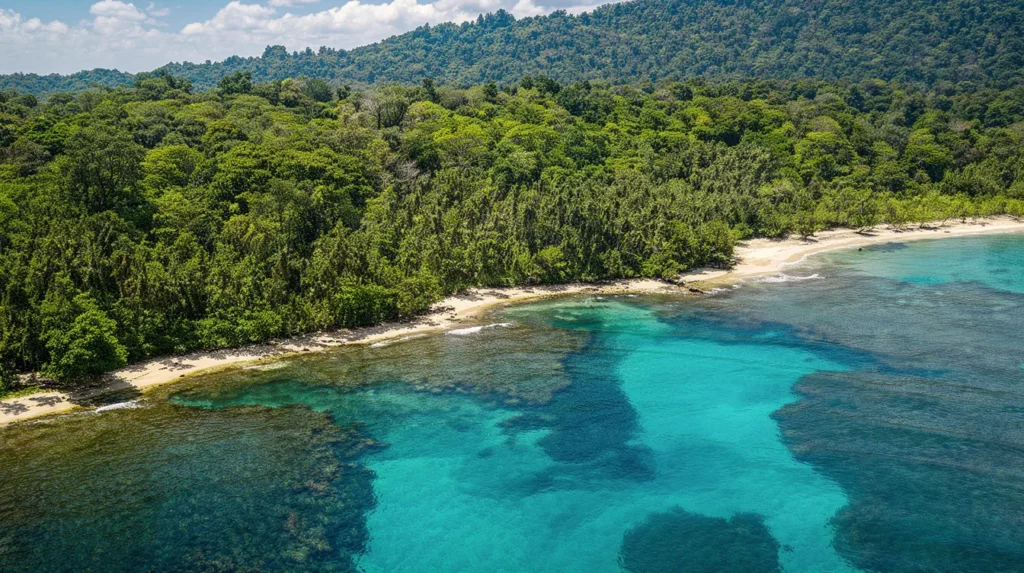
For families, the scarce item can be the right two-bedroom layout or confirmed connecting rooms, not simply a room somewhere in the hotel. For a villa, confirm bedroom access, covered dining, air-conditioned gathering space and the final approach road. A beautiful outdoor terrace is not a substitute for a comfortable indoor afternoon.
There may be attractive seasonal rates, but there is no single June or July discount. Compare the same room category, meal arrangements, taxes, transfer needs and cancellation terms. A cheaper distant property can cost you the beach mornings you came for.
Where a luxury stay works best in green season
If you want the best beach weather odds
Guanacaste and the North Pacific, Papagayo, Flamingo, Tamarindo, Conchal, and nearby beaches
If you want the best all around summer trip
La Fortuna and Arenal, because you can still have great days even with rain windows
If you want beach plus rainforest in one place
Manuel Antonio, as long as you plan mornings for tours and keep afternoons flexible
Papagayo: resort comforts and space for the family
At Four Seasons, the Two-Bedroom Canopy Villa has a kitchen and plunge pool, a useful combination for a family that wants space between excursions. At Andaz, the Two Bedroom Villa brings a kitchen, living and dining areas, and a private plunge pool; its bedroom configuration is one king and two queens. Confirm the exact category and occupancy for your children's ages before booking. These are different products from two standard rooms.
A private Papagayo villa makes sense when the group wants shared meals and its own living space. Around Tamarindo and Flamingo, compare the appeal of town and beach outings with the access road and distance from the house. Arrange a private chef or driver around the stay rather than assuming every service is included.
Tell us your dates and who is traveling. Bespoke Costa Rica can match the room layout, private transfers and flexible experiences to your summer trip.
For couples: privacy, thermal water and excellent service
For a romantic summer trip, compare an adults-only rainforest stay at Nayara Springs with a private-pool category at Four Seasons or Andaz on the coast. Use Arenal for forest mornings, thermal bathing and couples massages, then settle into Papagayo for beach time, dining and a private boat day. Choose the actual room category and terrace privacy rather than assuming that every luxury room has its own pool. Our Costa Rica honeymoon and couples guide explores those differences.
For families, our Costa Rica family vacation guide helps match the room layout, activities and pace to your children. Bespoke Costa Rica can arrange both styles as a complete private itinerary.
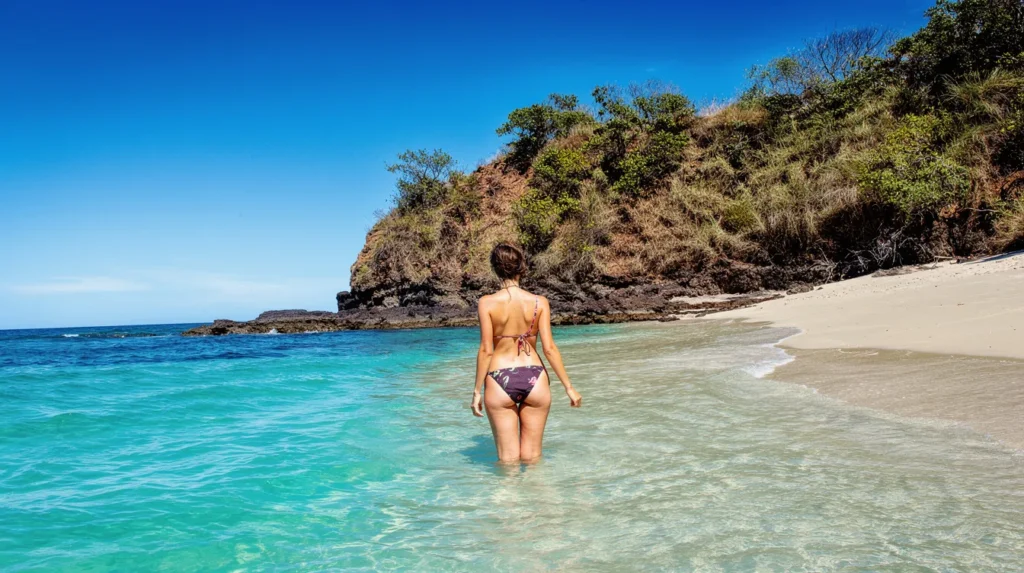
Arenal: make the hotel part of the experience
Nayara Tented Camp's Family Tent connects two tents through an outdoor living area with a shared private pool. That offers separation for a family without turning every quiet afternoon into another outing. Tabacón suits a stay centered on its thermal river and gardens; its Orchid Room Two Queen Beds is a different family option from its adults-only Private Pool Suite. Match the room to the travelers, not just the hotel's name.
If you want a surf town lifestyle
Santa Teresa, but expect slower logistics and more weather variability
If you want Caribbean culture
Puerto Viejo and the southern Caribbean coast, with a different weather rhythm
For more destination detail, see our Best Places to Visit in Costa Rica: Where to Go for Beach, Rainforest, and Luxury. For quieter alternatives, see our Costa Rica Hidden Gems guide.
Private experiences and seasonal wildlife
The best summer activities are the ones that do not require perfect blue sky all day.
A private naturalist can build a forest outing around your pace and interests instead of racing between viewpoints. At Arenal, choose a forest or hanging-bridge morning and keep another opening for wildlife if the first is very wet. A covered chocolate experience, a leisurely lunch or a spa appointment gives a wet afternoon its own purpose.
Waterfalls and rivers can be dramatic, but more water is not automatically better for swimming or rafting. Let the operator assess rainfall upstream, water levels and access. A shower at your hotel says little about conditions in the river catchment.
For a private boat or catamaran day from the North Pacific, ask about a morning departure, the route's sea exposure and the weather policy before confirming. Keep another possible day available rather than placing your only sailing opportunity on the afternoon before the flight home. Snorkeling depends on swell and visibility as well as sunshine.
If you only have a few days, see our 3 Day Luxury Costa Rica Itinerary: Helicopter Transfers and Minimal Driving.
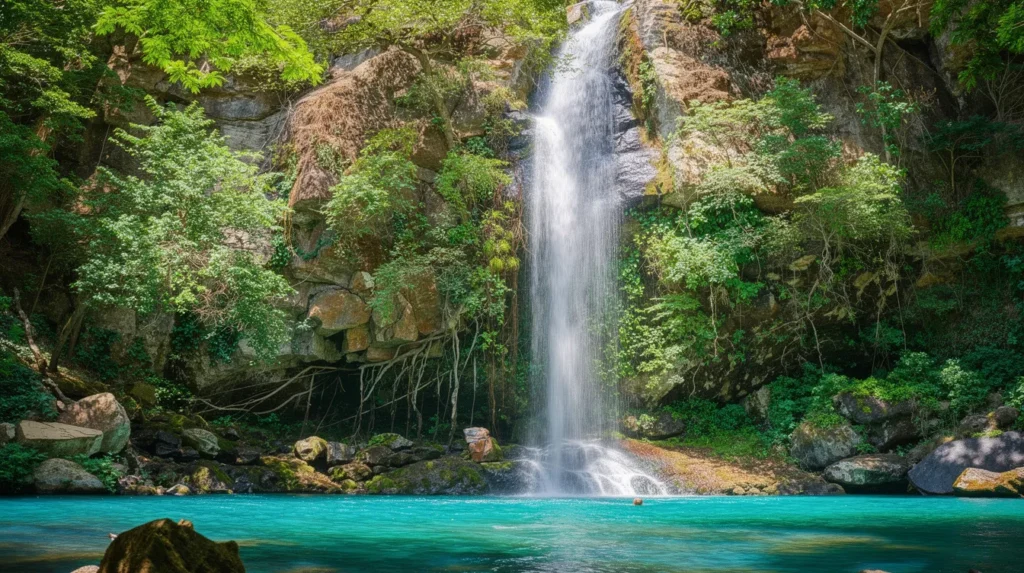
Late July: humpback whales on the South Pacific
July begins the southern humpback migration to Costa Rica. For a whale-focused stay, late July around Uvita and Marino Ballena is a stronger planning choice than June; later months bring the more established season. We can arrange a private boat outing with a suitable operator and comfortable accommodation nearby. Make this a South Pacific stay, not a long excursion from Papagayo.
July: green-turtle nesting in Tortuguero
July enters Tortuguero's main green-turtle nesting season, which generally runs through October. A guided night visit can be the reason to add a Caribbean nature stay. Allow two or three nights for canals, wildlife and an evening on the nesting beach, with boat or flight connections planned around the route. We can coordinate the lodge and guiding; beach access and group arrangements follow conservation rules. June is not the same green-turtle window.
Dolphins: a year-round possibility
Bottlenose and pantropical spotted dolphins occur in Pacific waters year-round, rather than only in June and July. A private marine outing can be worthwhile in either month. Choose the departure area and boat for your itinerary, with an experienced crew that observes wildlife respectfully. Wildlife encounters depend on the day; private service does not mean guaranteed sightings.
Bioluminescence: plan around the moon
Paquera Bay in the Gulf of Nicoya offers bioluminescent kayaking. It is not a June-or-July-only spectacle: darker nights, moonlight and local conditions matter. We check the operator's calendar and conditions before arranging an evening. An overnight nearby fits better than a late return to a distant resort.
Plan your private summer vacation with Bespoke Costa Rica. Tell us which experience matters most so we can choose the right coast, accommodation and travel dates around it.
Liberia or San José: protect the arrival day
Choose the airport based on where you are staying.
Fly into Liberia if your trip is focused on
Papagayo and Guanacaste beaches
Tamarindo and Flamingo
North Pacific beach days
San José usually makes a more coherent gateway for Manuel Antonio or the southern Caribbean. For La Fortuna and Monteverde, compare both airports against the whole route and actual flight times; Arenal is not automatically a San José-only trip. You can also fly into one and out of the other if the route makes sense.
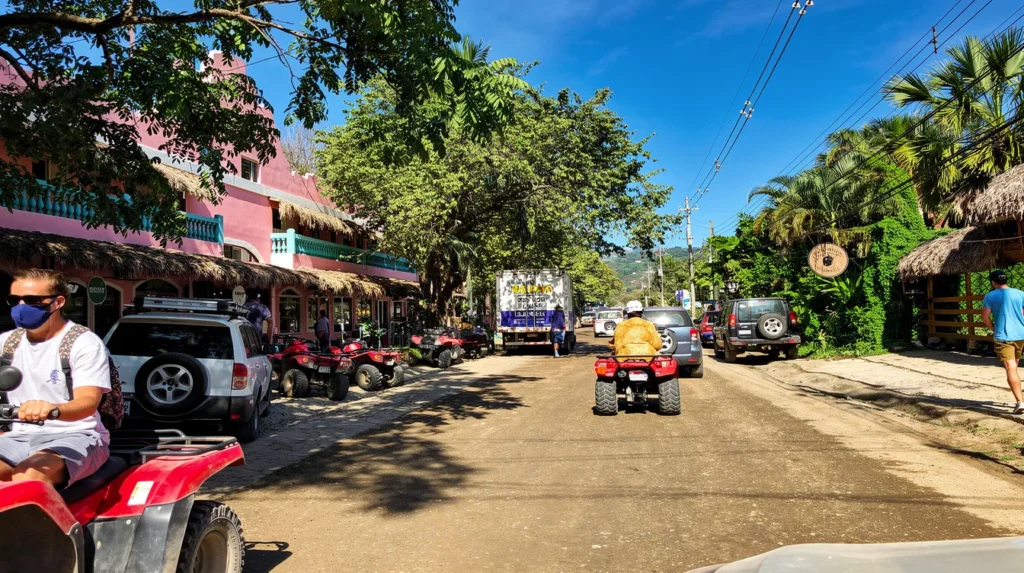
With a private driver, share your flight number, luggage, children's ages and exact property pin in advance. Leave room for immigration, a food stop and slower traffic. A late arrival is not the moment for a lengthy inland excursion or a remote final approach in darkness.
Schedule the Arenal-to-coast transfer as a travel day, with an unhurried breakfast and a daylight arrival, rather than promising a boat tour immediately afterward. For helicopter transfers, confirm landing permissions, passenger and luggage limits, and a ground alternative. Flying is weather-dependent, not a way to bypass a storm. Avoid a tight connection between a remote lodge departure and an international flight.
Our Liberia vs San José airport guide goes into the route decisions in more detail.
A seven- to ten-night June or July itinerary
7 nights, easiest summer plan
4 nights North Pacific beach base, Papagayo, Flamingo, Tamarindo area
3 nights La Fortuna and Arenal for rainforest, volcano views, and hot springs
With three nights in Arenal, use one morning for a private forest walk and another for a different outing or a weather adjustment. Transfer to the coast in daylight, then spread beach mornings, one boat day and time at your villa or resort across four nights. Reverse the order when the flights work better; the important choice is two settled bases rather than repeated packing.
Nine nights for a family: Arenal and Papagayo
Spend four nights around Arenal in a family tent, villa or suitable resort layout, with two privately guided mornings and open afternoons for the pool. Continue with a chauffeured transfer to five nights in Papagayo: a private catamaran morning, beach time and space to enjoy the property. A chef-prepared villa dinner or a resort dining reservation can anchor an evening without another excursion.
Eight nights for two: rainforest and a private coastal escape
Pair three nights at Nayara Springs with five nights in a suitable Papagayo suite. Arrange a forest walk, couples massages, a private sunset sail and a special dinner, leaving the remaining time open. One chauffeured SUV normally suits two travelers, with the vehicle selected for luggage and property access. If July turtles or late-July whales are the priority, build the route around Tortuguero or the South Pacific instead of squeezing either into this beach-and-Arenal week.
9 to 10 nights, best variety plan
4 nights North Pacific beach base
3 nights La Fortuna and Arenal
2 to 3 nights Manuel Antonio for beach plus rainforest
That three-base version is for travelers who genuinely want the extra destination and accept another substantial transfer. For a more relaxed luxury holiday, spend four nights in Arenal and five or six in Guanacaste instead. Two nights in Manuel Antonio leave little room for a closure day or sustained rain; three nights give the visit more breathing room. An open-jaw airport plan deserves consideration before locking the hotels.
If your priority is the driest possible summer beach trip, keep more nights in Guanacaste.
What to pack for warm days and wet trails
Light breathable clothing
Swimsuit and quick dry towel
Comfortable sandals plus walking shoes
Reef safe sunscreen
Hat and sunglasses
Light rain jacket or poncho
Small dry bag for boat and beach days
Bug spray for mornings and evenings
Add a light layer if you are going to Monteverde.
Bring shoes with grip that you can get wet, and a second pair so the first can dry. Keep a change of clothes and essential medication in your hand luggage, and protect cameras and phones from humidity as well as a sudden shower. A light breathable rain shell is more useful on a forest walk than a heavy coat.
For a villa stay, ask about laundry and clothes-drying space. For a helicopter connection, agree the luggage allowance before packing rigid suitcases.
The planning mistakes that cost holiday time
Planning outdoor tours late in the day. Do hikes and wildlife early, while accepting that mornings can be wet too. Reserve the less weather-sensitive parts of the day for the hotel.
Trying to cover too many destinations. Transfers eat time and amplify weather friction. A long beach stay with two thoughtful outings can be more satisfying than a new hotel every other night.
Assuming July is dry everywhere
The mid summer dry break helps parts of the Pacific, not the whole country.
Booking only the view. Check covered circulation, indoor dining, room separation and the property road. Those details matter when several people want different things on a rainy afternoon.
Leaving the signature excursion until the last day. Weather flexibility works only when there is another day to use. Agree cancellation and rescheduling terms for private experiences before payment.
June and July travel questions
Is Costa Rica in June too rainy?
Not necessarily. June is a rainy-season month on the Pacific, but a North Pacific beach base with outdoor mornings can still work well. Choose a resort or villa you will enjoy during showers, and allow for occasional longer wet spells rather than assuming all rain is brief.
Is Costa Rica in July better than June?
Often for Pacific beach travel, particularly in Guanacaste, because a midyear rainfall lull can help. It is not guaranteed for your week, and the Caribbean does not share that pattern.
Where is the best weather in Costa Rica in June and July?
North Pacific Guanacaste, including Papagayo, Tamarindo and nearby beaches, is the strongest beach-first choice. Arenal is a different proposition: plan for rainforest experiences and thermal pools, not dependable blue-sky volcano views.
Is Costa Rica good with kids in June and July?
Yes. Guanacaste and Arenal are especially family friendly. Give each base enough time, confirm the beds and room layout, and keep a relaxed afternoon after an active morning.
Can Bespoke arrange the whole summer trip?
We arrange luxury accommodation bookings, private drivers, helicopter transfers and private experiences around your dates and interests. Share the ages in your group, preferred travel pace and whether beach or rainforest time matters most, so the route and rooms fit the holiday.